
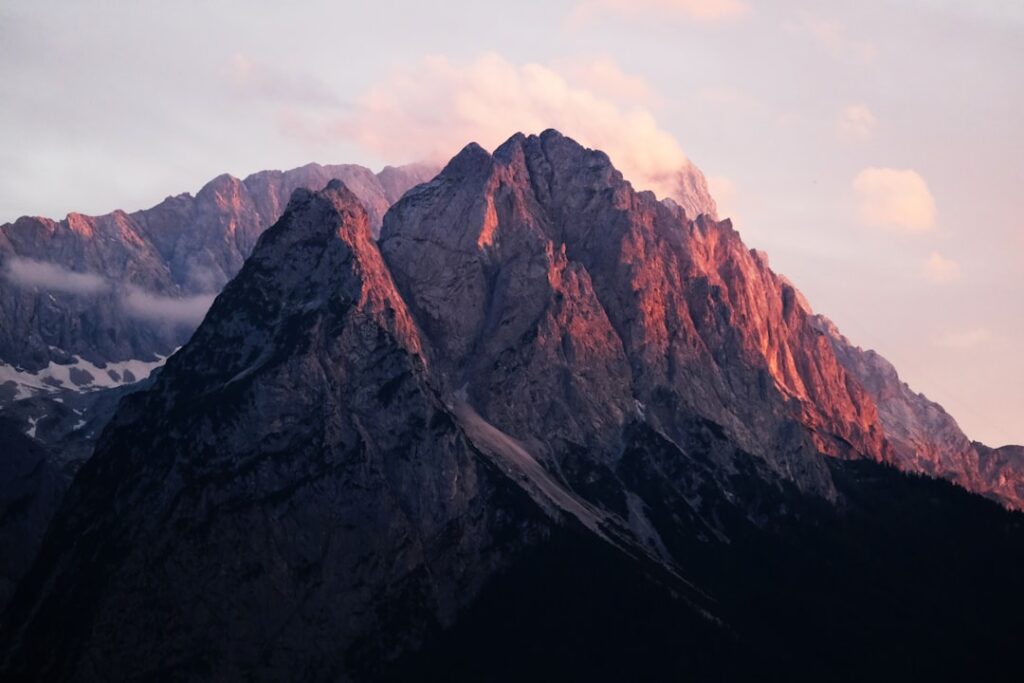
The Zugspitze: Germany’s Rooftop at 2,962 Meters
Standing at 2,962 meters, the Zugspitze offers year-round alpine adventure, three cable cars, and views across four countries. Here’s how to plan your visit to Germany’s highest mountain.
Standing at 2,962 meters, the Zugspitze offers year-round alpine adventure, three cable cars, and views across four countries. Here’s how to plan your visit to Germany’s highest mountain.

Thin, crispy, and topped with crème fraîche, onions, and bacon, Flammkuchen is the beloved flatbread of Baden and the Palatinate—a simple dish that tells the story of the Franco-German borderlands.
President John F. Kennedy, whose great-grandfather emigrated from County Wexford, Ireland, visited West Berlin on June 26, 1963, and delivered his famous ‘Ich bin ein Berliner’ speech at Rathaus Schöneberg—a verifiable historical event with extensive documentation.
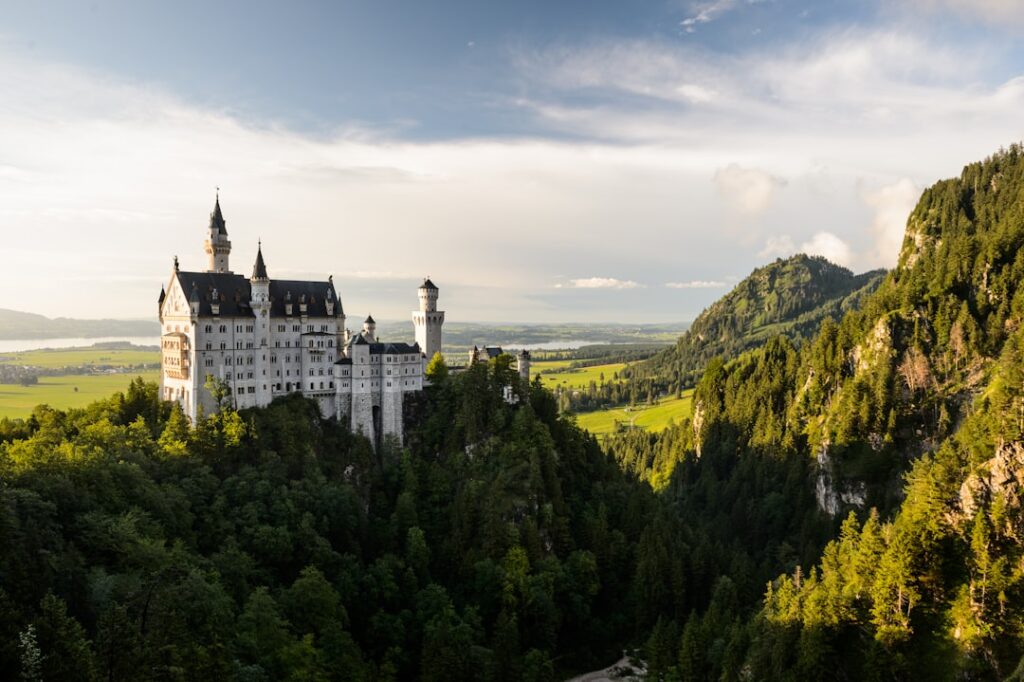
Tucked between Munich and the Austrian border, the Allgäu offers Alpine peaks, castle views, traditional cheesemakers, and some of Bavaria’s most authentic mountain towns.
The Norman Kingdom of Sicily passed to the German Hohenstaufen dynasty through marriage in 1186, when Henry VI (son of Frederick Barbarossa) married Constance of Sicily; their son Frederick II ruled as both Holy Roman Emperor and King of Sicily—a verifiable historical connection between Norman France and Germany.
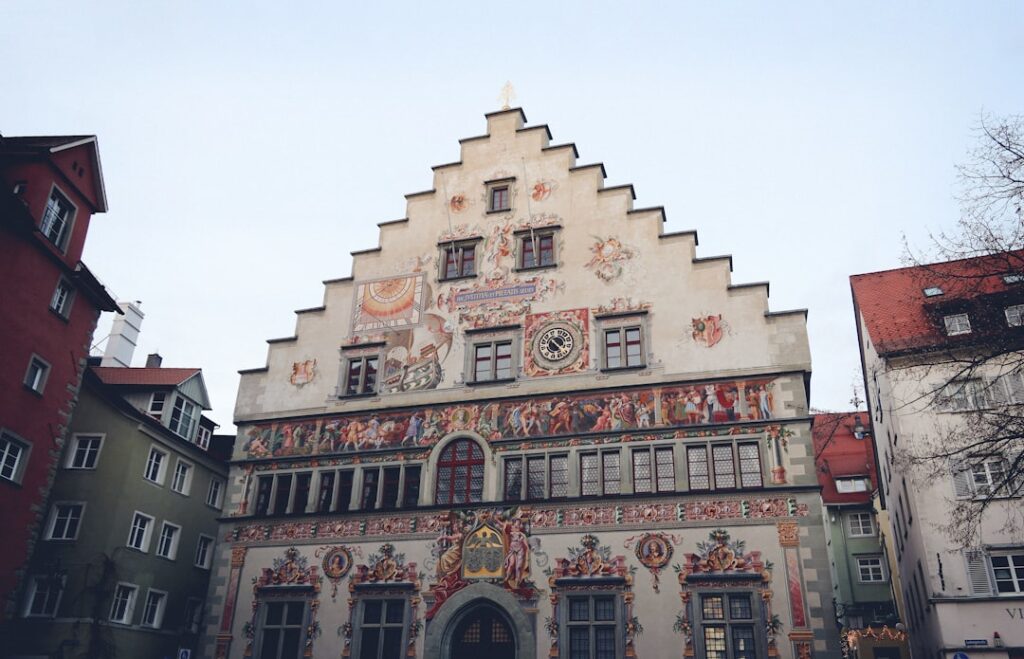
From Bremen to Leipzig, Germany’s centuries-old Ratskeller restaurants serve local specialties in vaulted cellars beneath historic town halls—where mayors once stored wine and citizens now raise a glass.
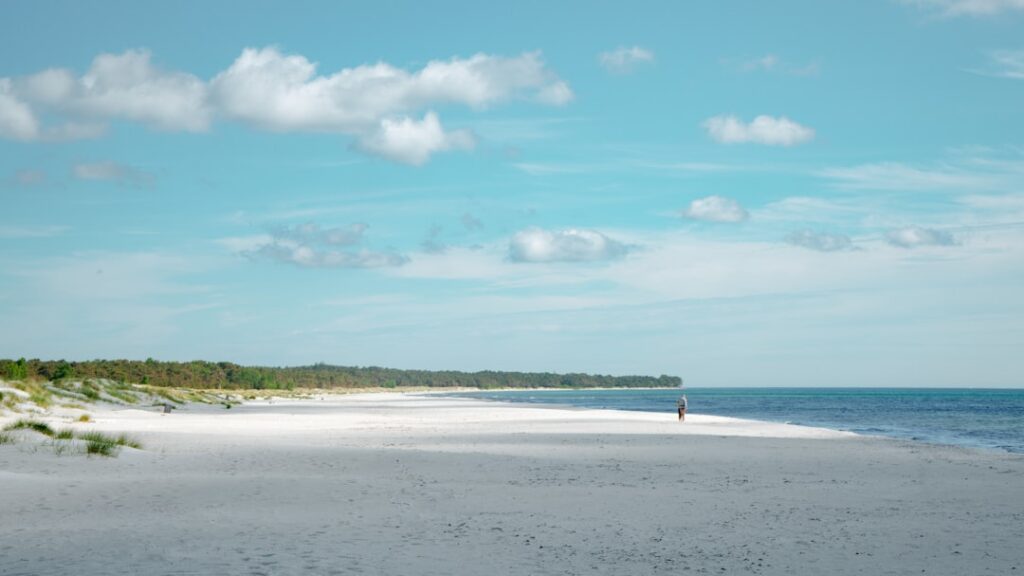
Germany’s largest island combines dramatic chalk cliffs, elegant seaside resorts, and miles of sandy beaches. From the iconic Königsstuhl to historic beach piers, Rügen offers a Baltic retreat unlike anywhere else.
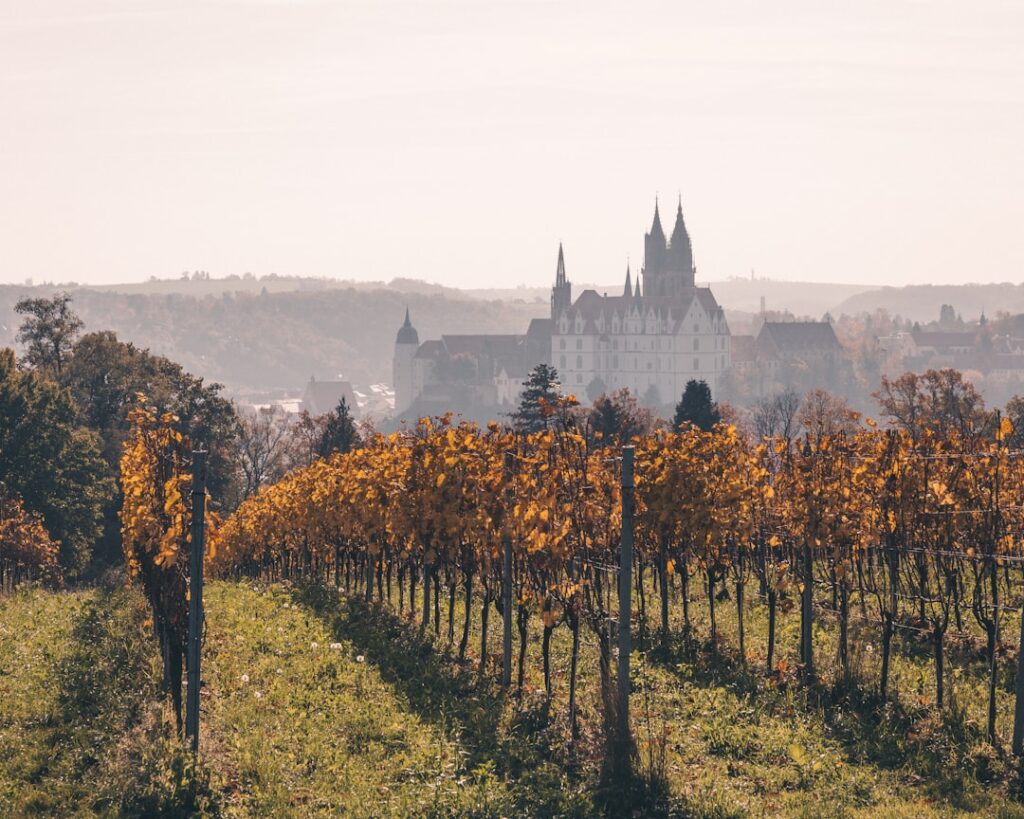
Just 25 kilometers from Dresden, Meissen combines world-famous porcelain, steep vineyard slopes, and a thousand-year-old cathedral perched above the Elbe.
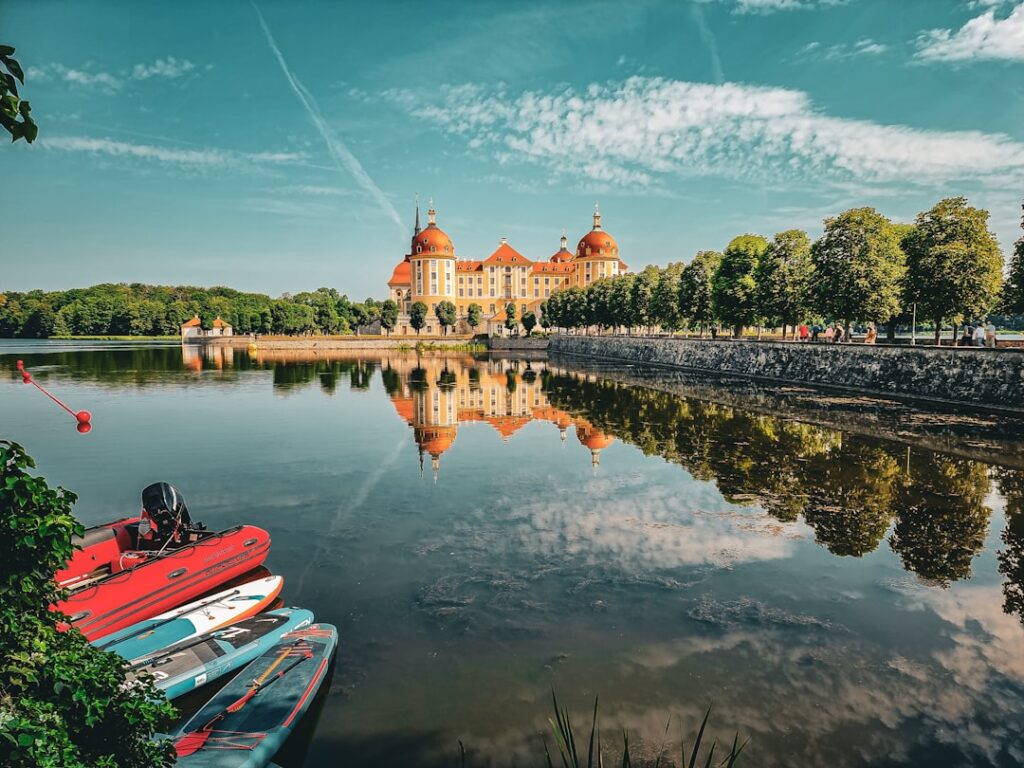
Rising from a man-made lake northwest of Dresden, Schloss Moritzburg is a baroque hunting lodge transformed into one of Saxony’s most photogenic palaces—and a famous filming location.
The German Luftwaffe bombed London during the Blitz (1940-41), and the RAF/USAAF bombed Berlin (1940-45); both cities preserve ruins and shelters as verifiable historical sites.