The Spreewald: Berlin’s Watery Backyard
Less than an hour from Berlin, the Spreewald’s canal-laced forests and Sorbian villages offer punts, pickles, and a slower pace of life.
Wind through 280 miles of medieval towns, castle-topped hills, and pastoral Bavarian landscapes on Germany’s most famous driving route—from Würzburg’s vineyards to the foot of the Alps.
The Luftwaffe bombed London during the Blitz (1940-41), and the RAF conducted 363 bombing raids on Berlin (1940-45), including the Battle of Berlin campaign (1943-44), creating a direct historical connection between the two capitals.
Approximately 250,000 German Jews immigrated to the United States between 1820-1880, with many settling in New York’s Lower East Side and establishing institutions like Temple Emanu-El (1845) and founding prominent businesses.
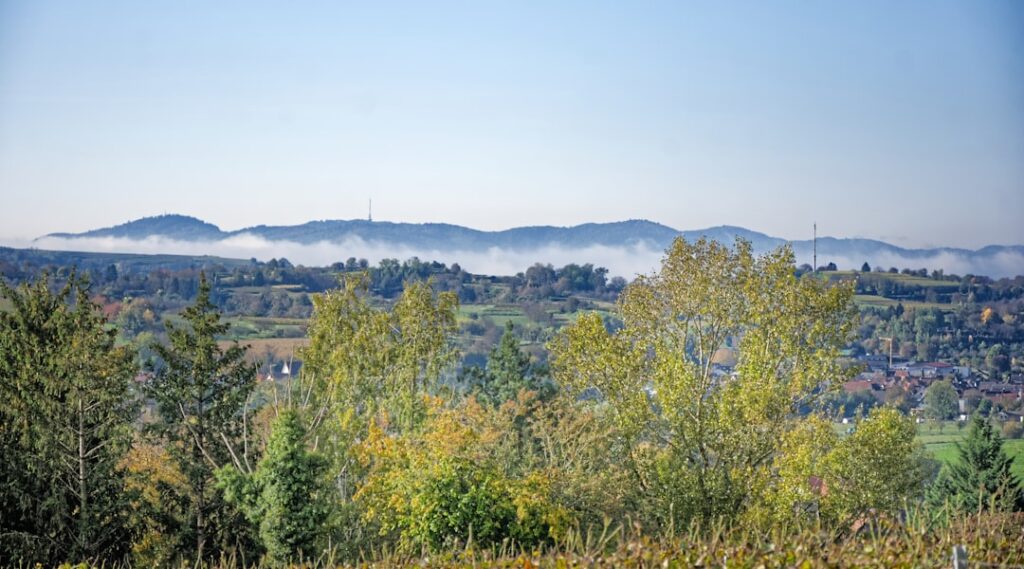
Between Stuttgart and Lake Constance lies a limestone plateau dotted with caves, castles, and some of southern Germany’s most rewarding trails. Here’s why the Swabian Alb deserves a spot on your hiking itinerary.
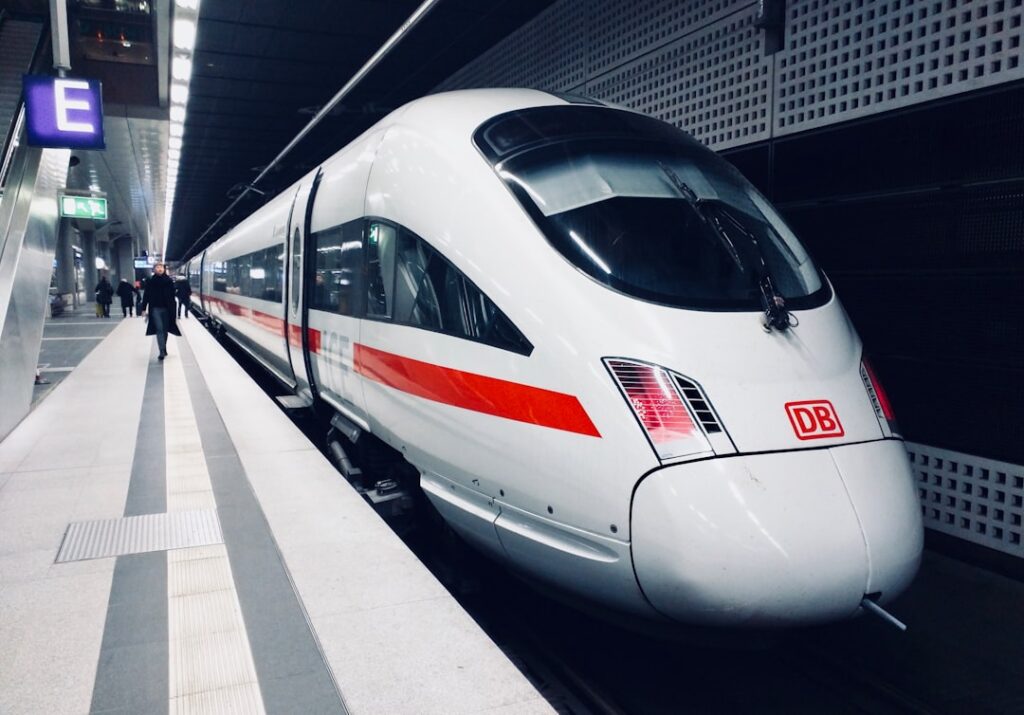
Direct regional train service (RE18) operates multiple times daily between Aachen Hauptbahnhof and Maastricht station, taking approximately 49 minutes to cover the roughly 30-kilometer distance as part of the Euregio Meuse-Rhine cross-border transport network.
Step into the Middle Ages in Rothenburg ob der Tauber, where cobblestone streets, intact city walls, and half-timbered houses create Germany’s most authentic medieval experience.
Charles IV built Karlštejn Castle specifically to house the Holy Roman Empire’s crown jewels and relics, while Nuremberg’s Kaiserburg served as the official repository of the Imperial Regalia from 1424-1796—a verifiable historical connection between the two imperial fortresses.
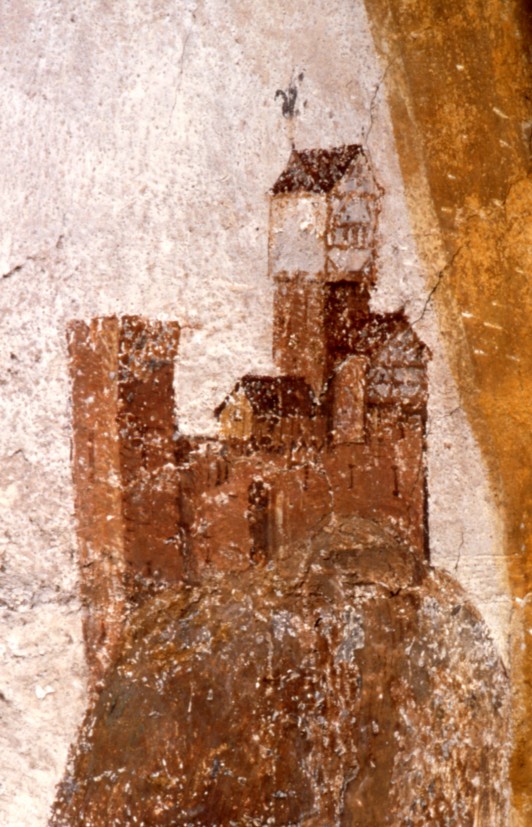
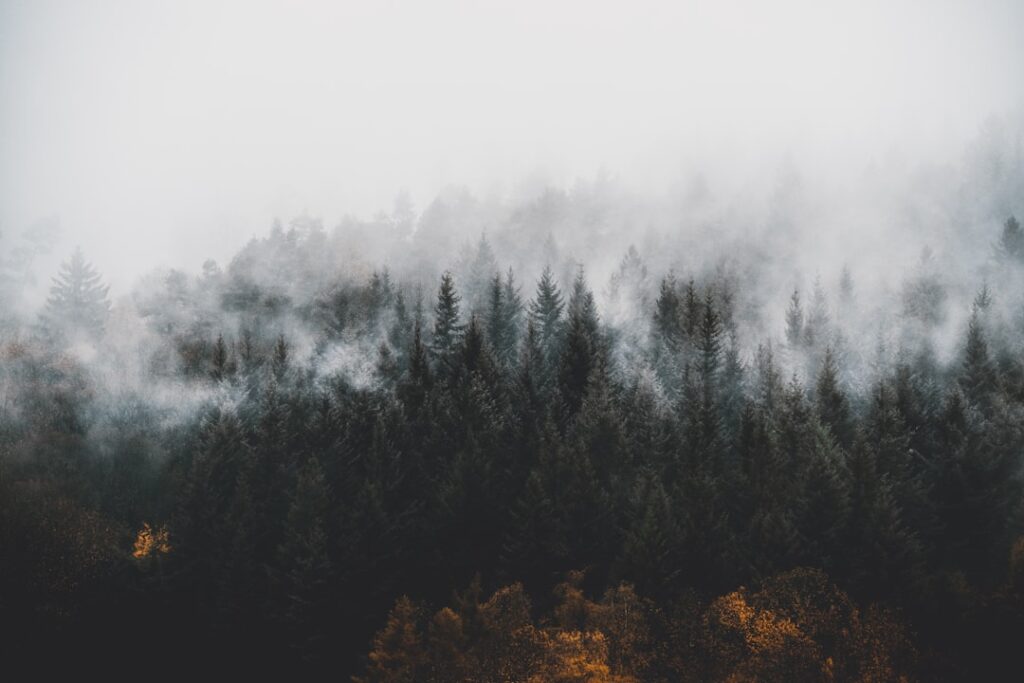
Tucked into a misty valley in the Rhineland-Palatinate hills, Burg Eltz has stood intact for over 850 years—never conquered, never destroyed, and still owned by the same family.
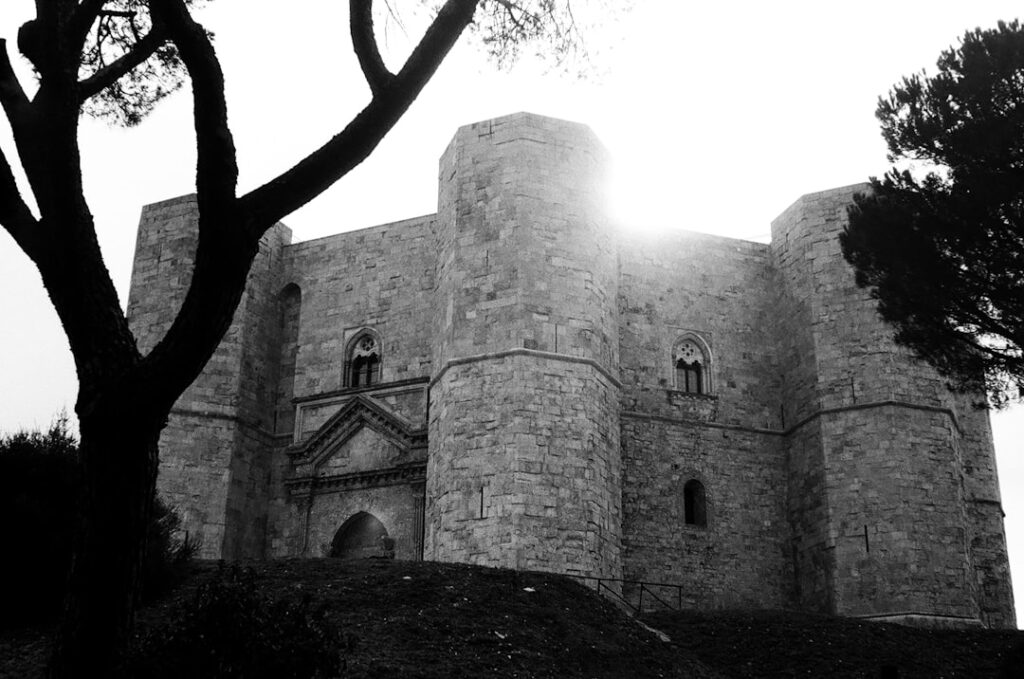
The Hohenstaufen (Staufer) dynasty of Germany inherited the Norman Kingdom of Sicily through marriage in 1186, with Frederick II ruling both the Holy Roman Empire and Norman Sicily, building castles like Castel del Monte that combined Norman and German architectural traditions.