
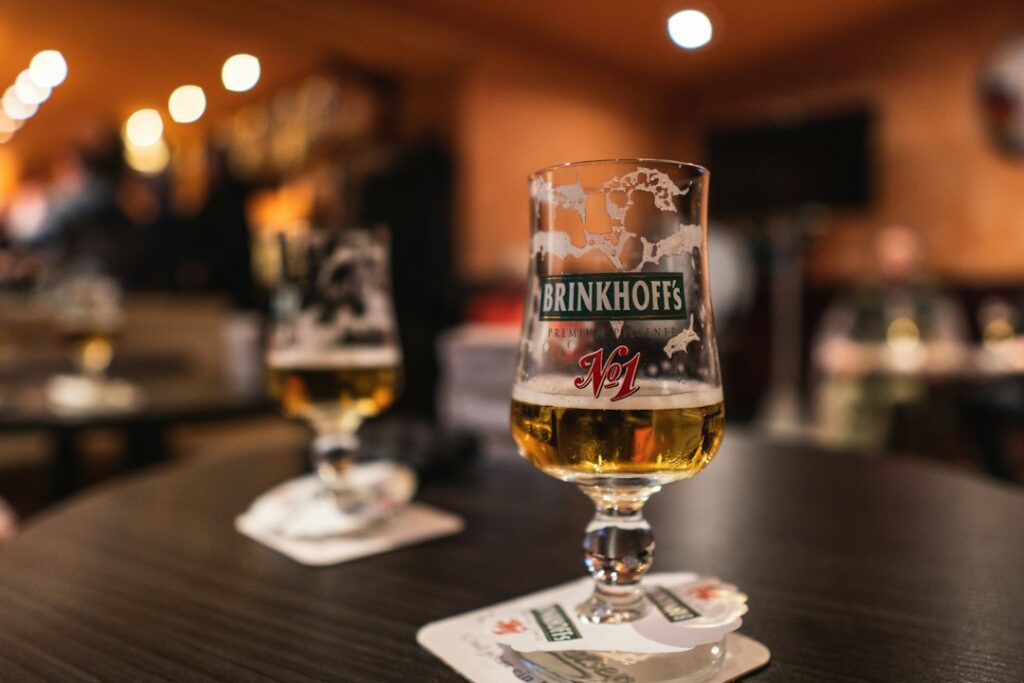
The Love Germany Guide № 004: German Beer & the Purity Law (Reinheitsgebot)
Photo by Stephan Mahlke on Unsplash The German beer purity law is often called the world’s oldest food regulation still […]
Photo by Stephan Mahlke on Unsplash The German beer purity law is often called the world’s oldest food regulation still […]
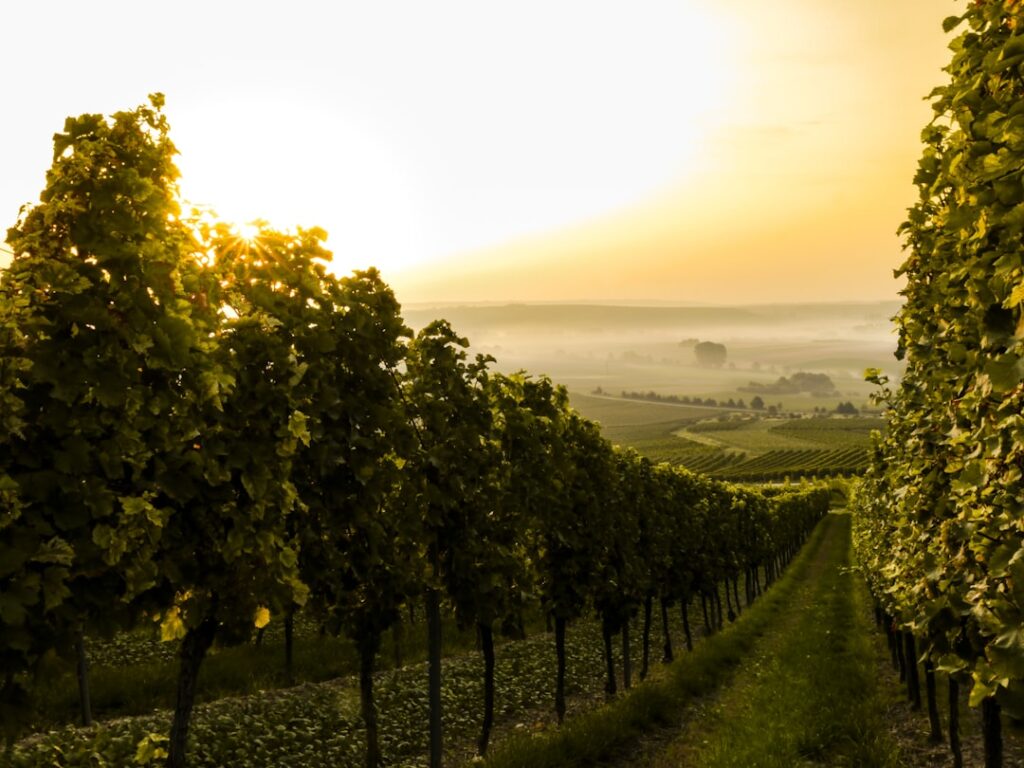
Step into a Straußwirtschaft or Besenwirtschaft and drink wine directly from the vintner who made it. These seasonal taverns are Germany’s best-kept wine secret.
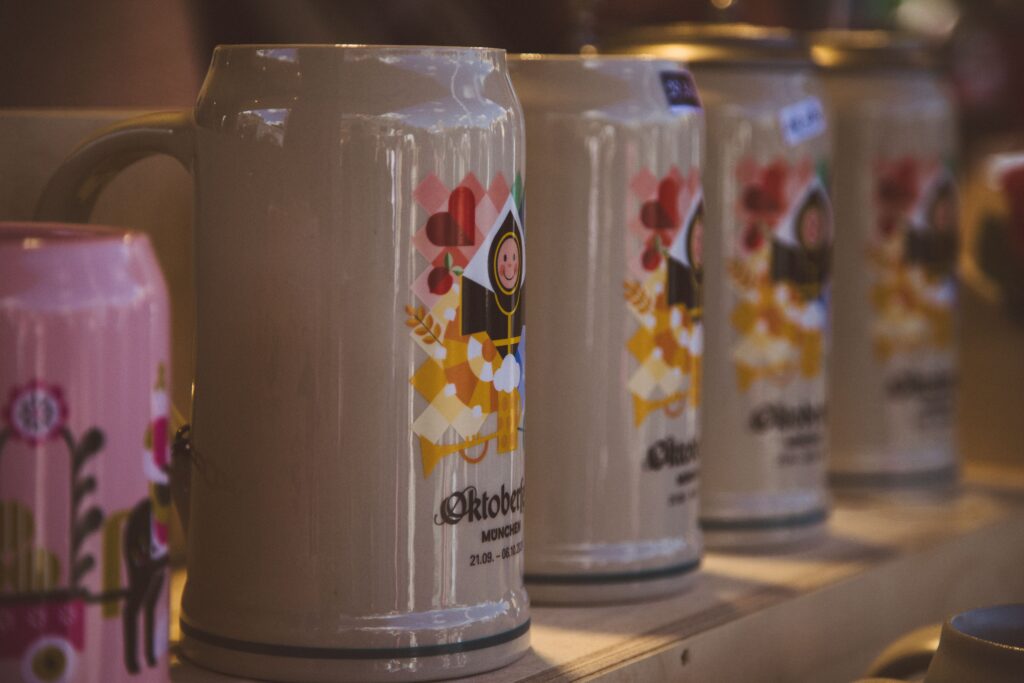
Photo by Bastian Riccardi on Pexels Look closely at an antique German beer stein and you may find a small
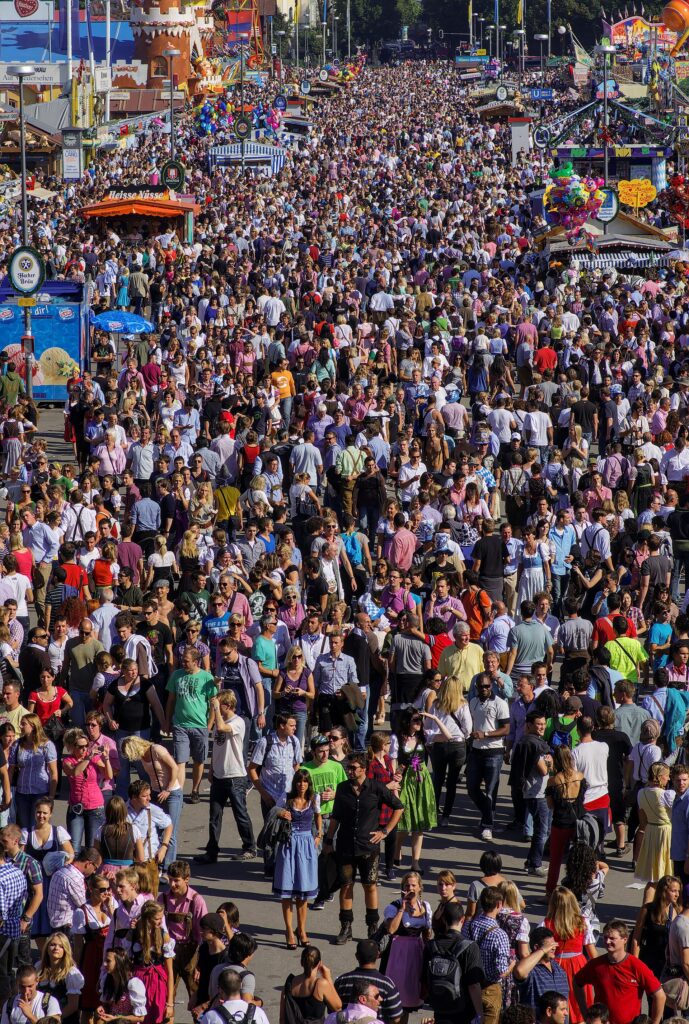
Jan Czeczotka via Wikimedia Commons (CC BY-SA 4.0) The first Oktoberfest was a wedding party. In October 1810, Crown Prince
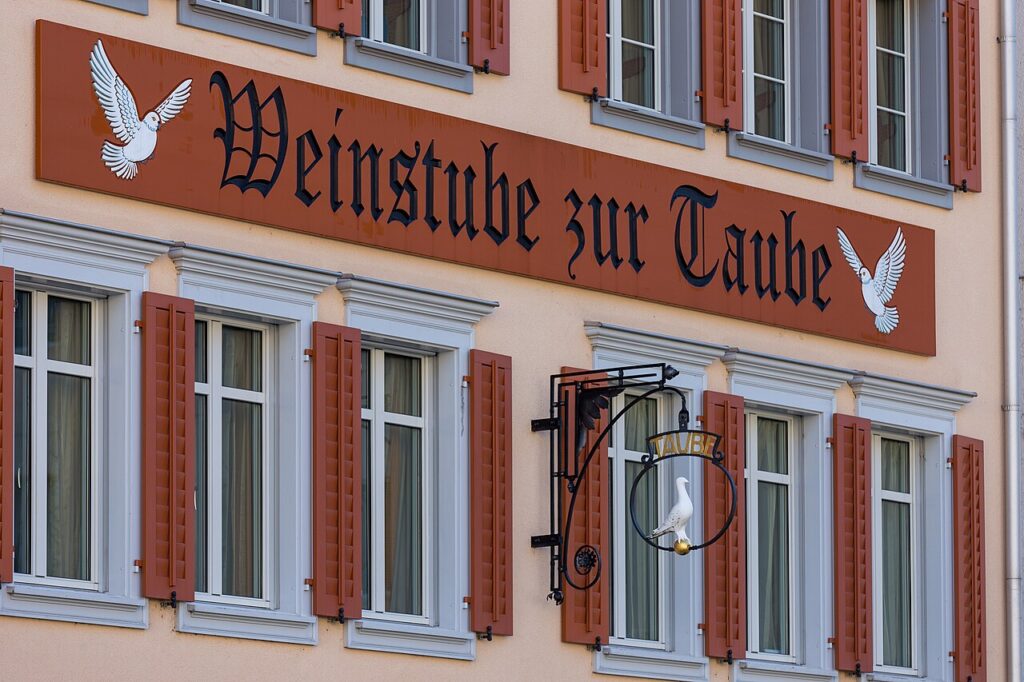
Beyond the tourist restaurants, Germany’s traditional Weinstuben offer authentic regional wines, simple food, and a seat at the locals’ table. Here’s how to find them and what to expect.
No machine-readable author provided. AlMare assumed (based on copyright claims). via Wikimedia Commons (Public domain) The distinctive knot of a
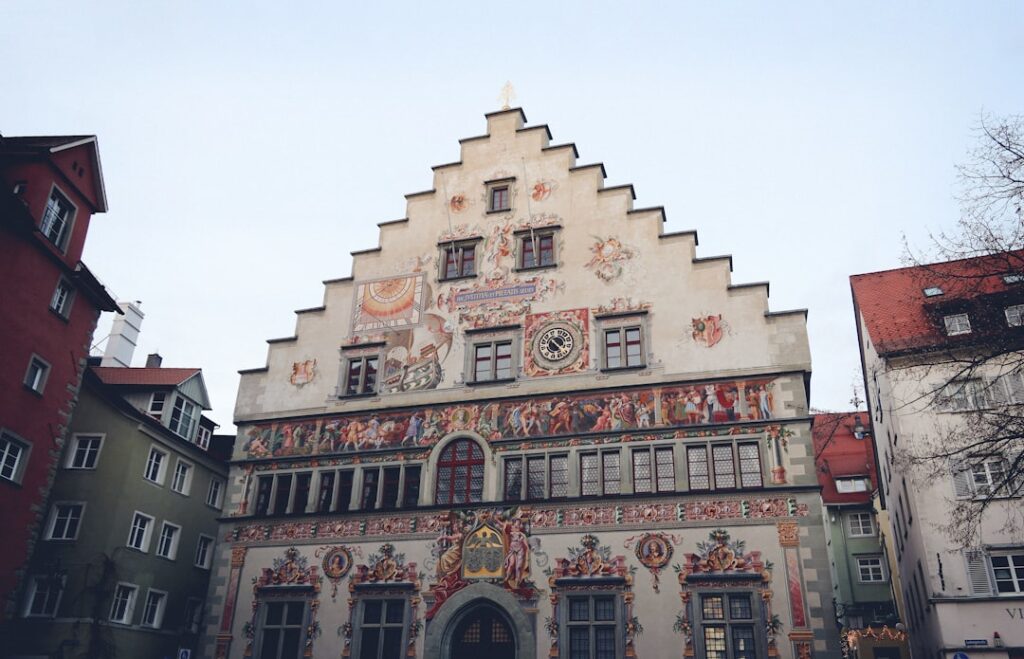
Aachen and Maastricht are neighboring cities approximately 30km apart in the Euregio Meuse-Rhine region with centuries of shared history, cross-border cooperation, daily commuter traffic, and cultural exchange.
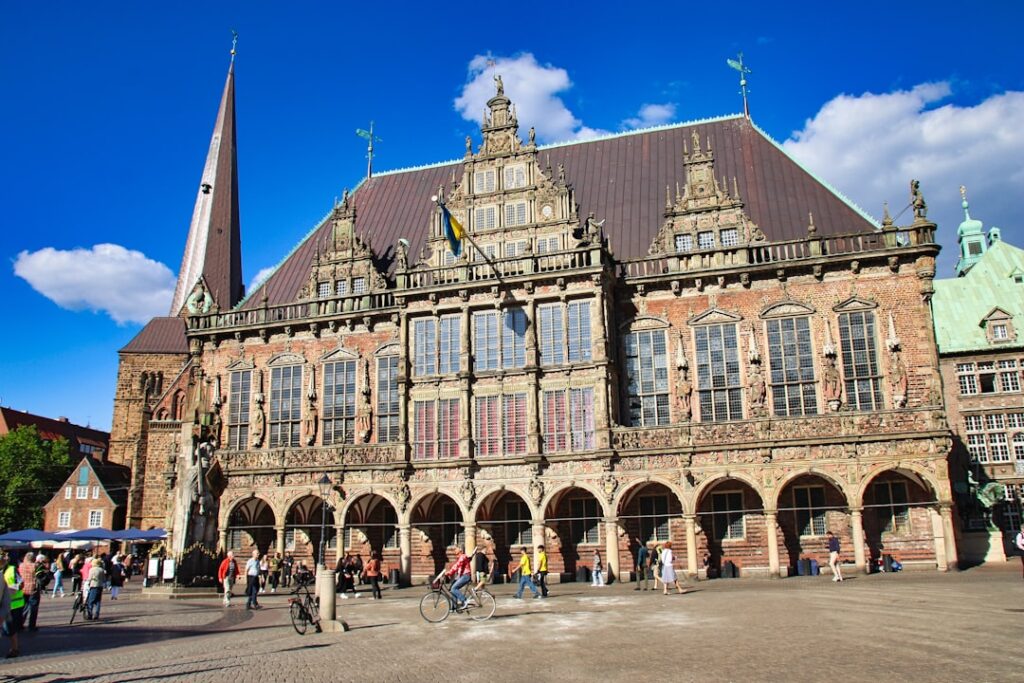
From Bremen to Leipzig, Germany’s centuries-old Ratskeller restaurants serve local specialties in vaulted cellars beneath historic town halls—where mayors once stored wine and citizens now raise a glass.
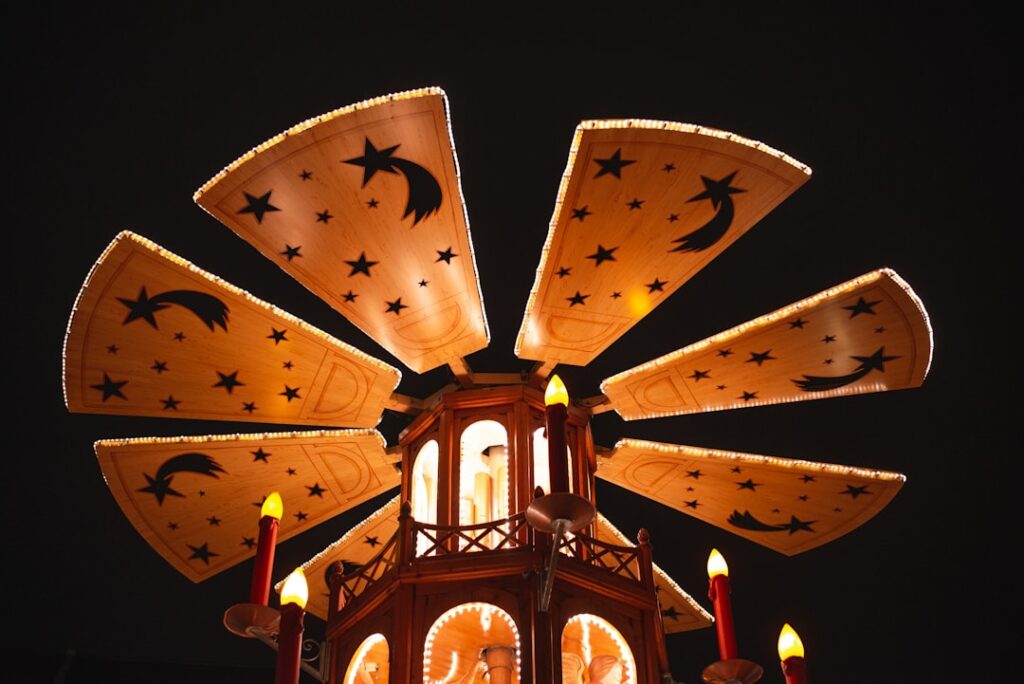
From Erzgebirge villages to Christmas markets nationwide, the Weihnachtspyramide brings centuries of woodcarving tradition to life each winter with its candle-powered carousel of nativity scenes and miners.
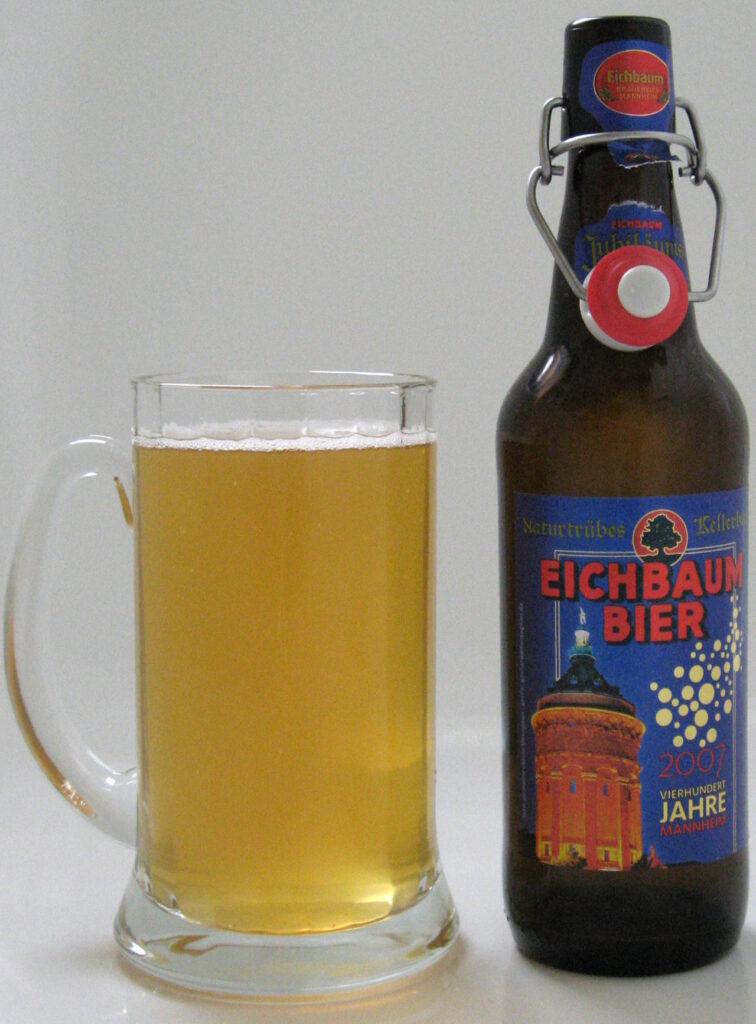
Beyond beer gardens, Germany’s grand beer halls tell centuries of civic pride, brewing tradition, and communal gathering. From Munich’s famous Hofbräuhaus to lesser-known treasures in Franconia and Bavaria, here’s what makes these vaulted spaces special.