
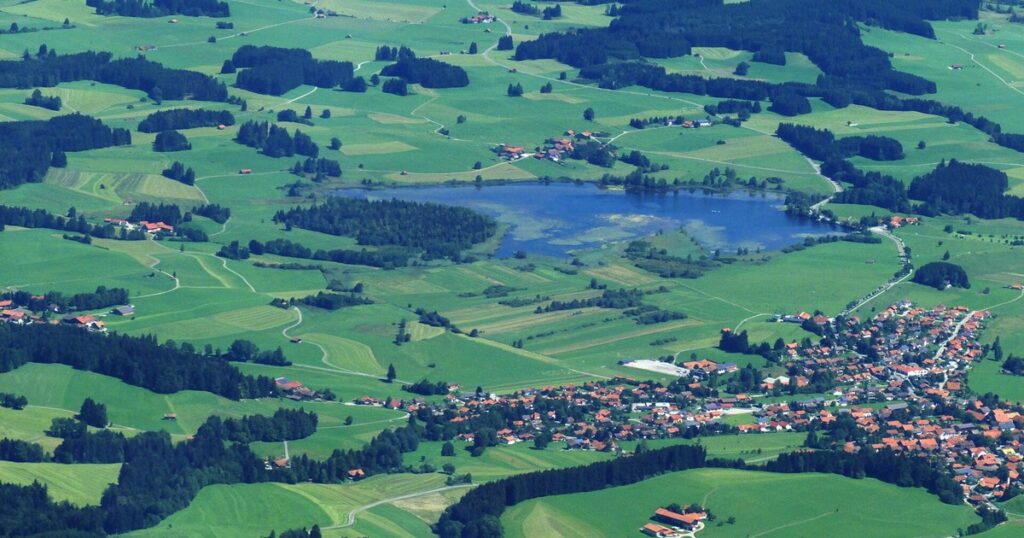
The Allgäu: Alpine Meadows and Cheese in Bavaria’s South
Bavaria’s Allgäu region pairs snowcapped peaks with rolling green pastures, working dairy farms, and centuries-old cheese traditions. Here’s what to see, taste, and explore.
Bavaria’s Allgäu region pairs snowcapped peaks with rolling green pastures, working dairy farms, and centuries-old cheese traditions. Here’s what to see, taste, and explore.
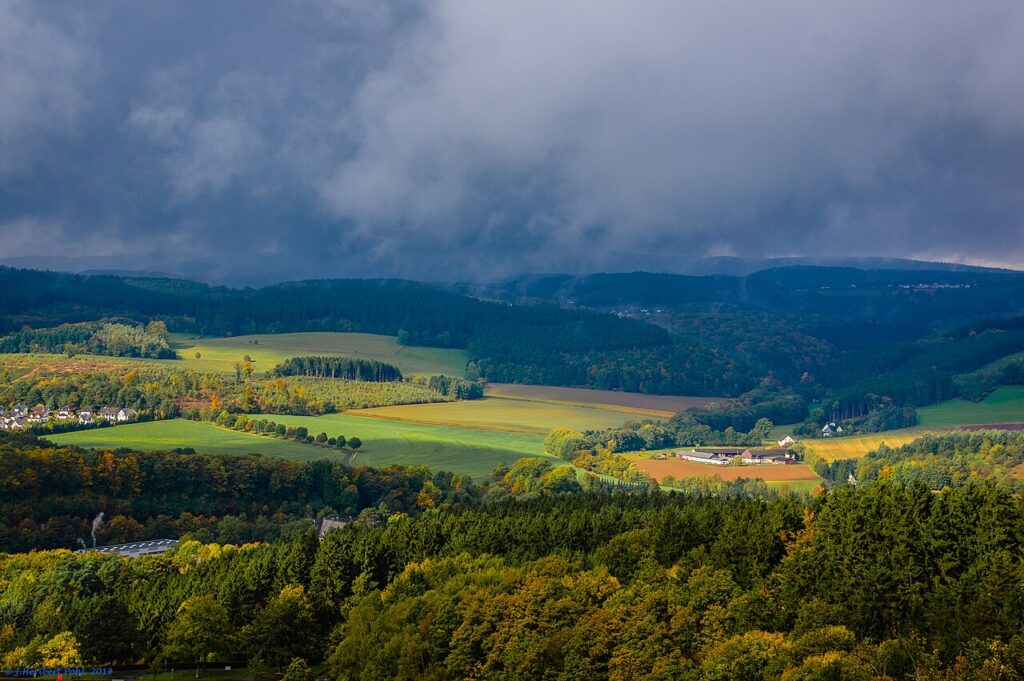
Between the Ruhr and the Rhine, the Sauerland offers limestone caves, reservoir swimming, and ridge trails through beech forests—an outdoor playground most visitors overlook.
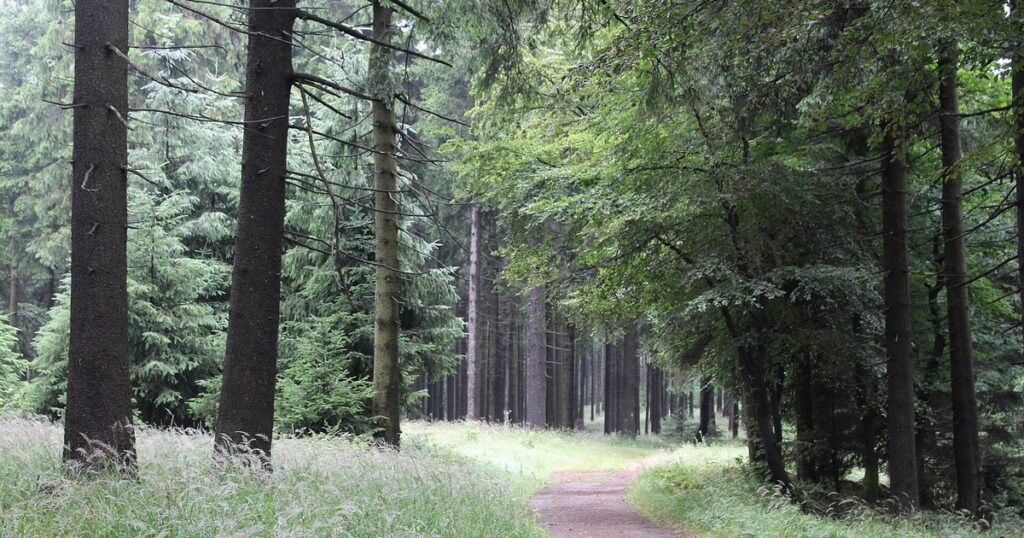
The Thuringian Forest stretches across central Germany with hiking trails, traditional glassblowing workshops, and the birthplace of Germany’s most famous sausage.
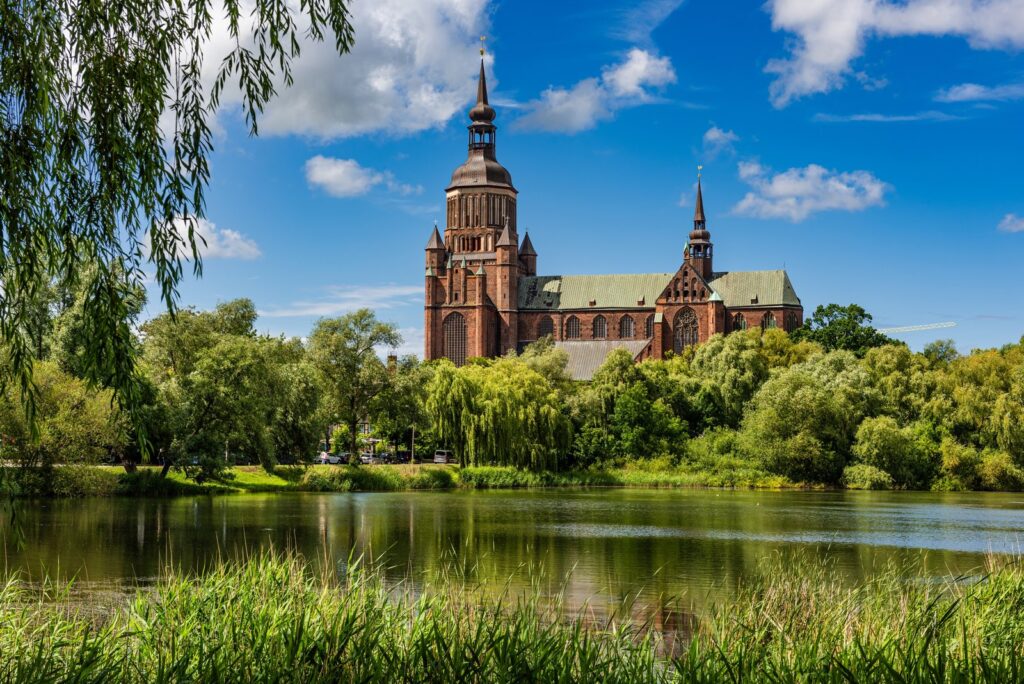
Germany’s Baltic shoreline stretches from Flensburg to the Polish border, a landscape of white sand beaches, medieval Hanseatic ports, and islands where the light shifts every hour.
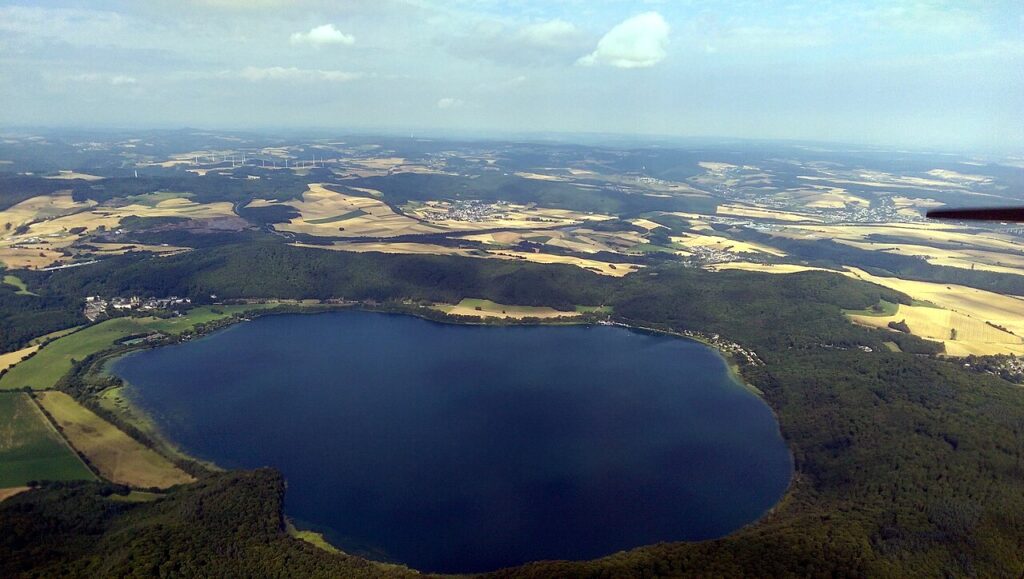
Between the Rhine and the Belgian border, the Eifel region hides dozens of volcanic crater lakes. Here’s where to find the most beautiful Maare and how to explore them.
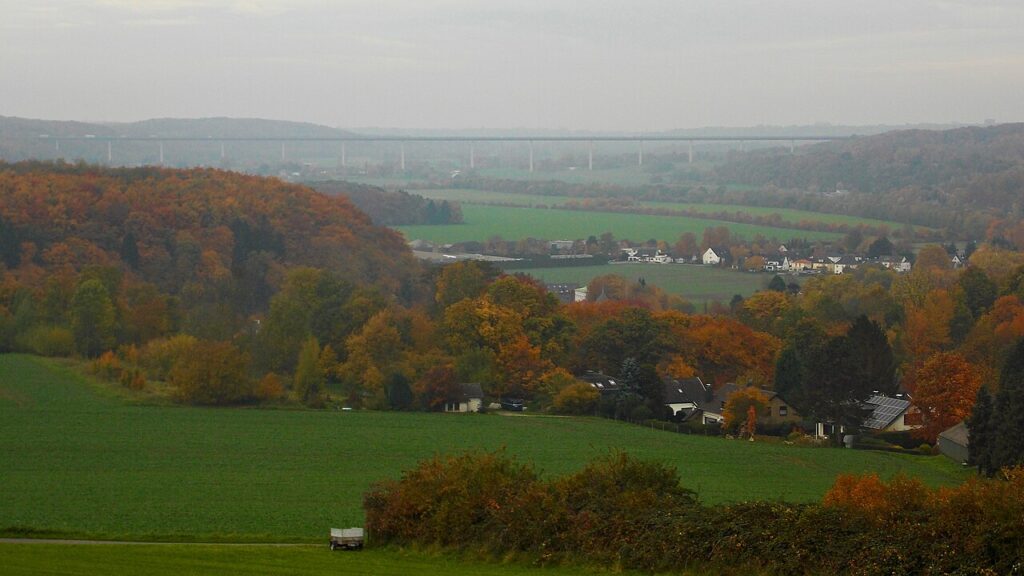
Just east of Cologne and Düsseldorf, the Bergisches Land offers half-timbered towns, castle ruins, reservoir trails, and a distinct building tradition that sets this hilly region apart.
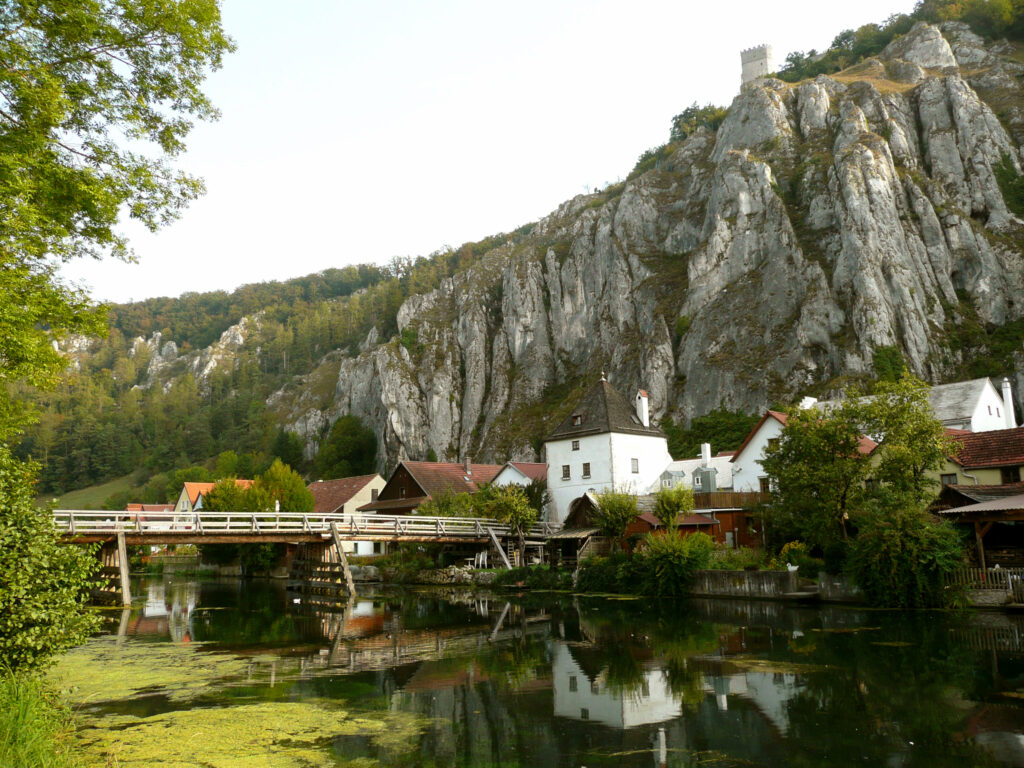
Between the Danube and Franconia lies a limestone valley of medieval towns, fossil beds, and lazy river loops—Bavaria’s best-kept secret for slow travel.
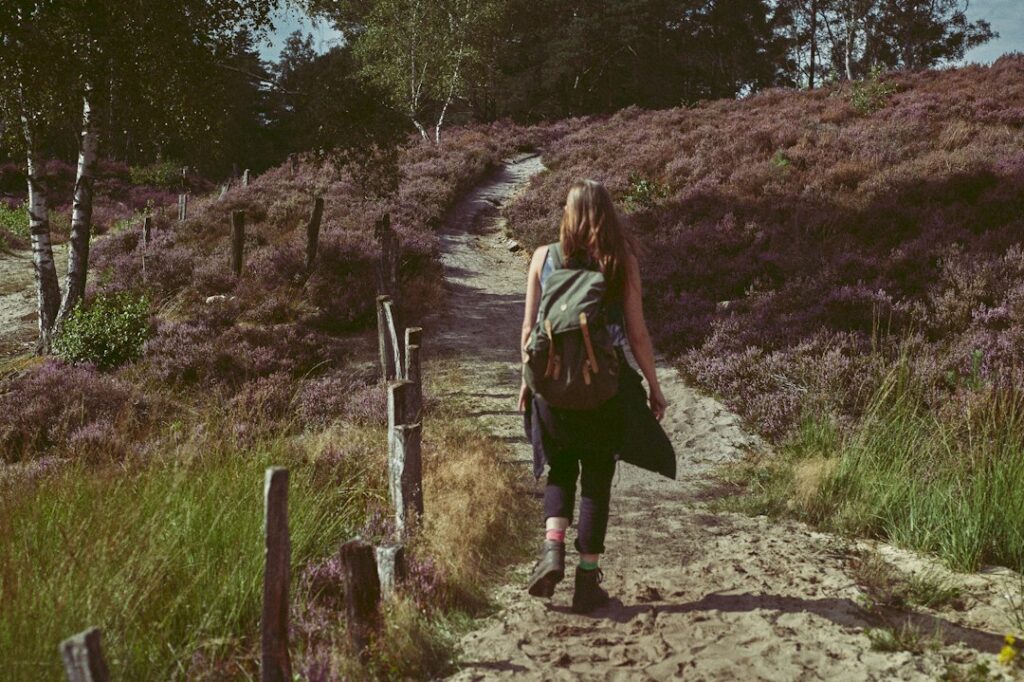
Between Hamburg and Hannover lies one of Central Europe’s largest heathlands, where rolling hills turn violet in late summer and centuries-old shepherd traditions endure.
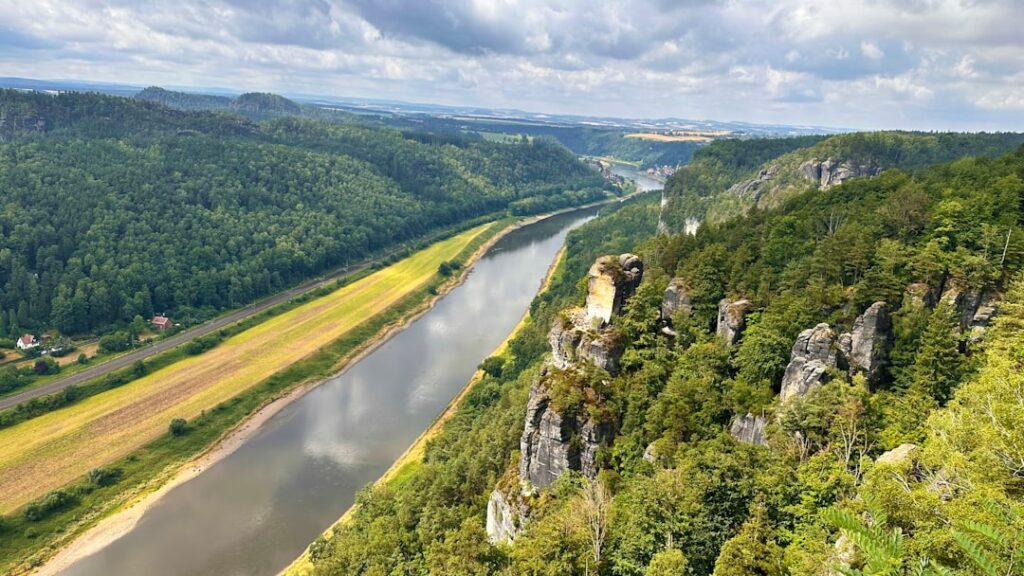
Saxon Switzerland’s towering rock formations, hidden gorges, and forest trails form one of Central Europe’s most dramatic landscapes—just 30 minutes from Dresden.
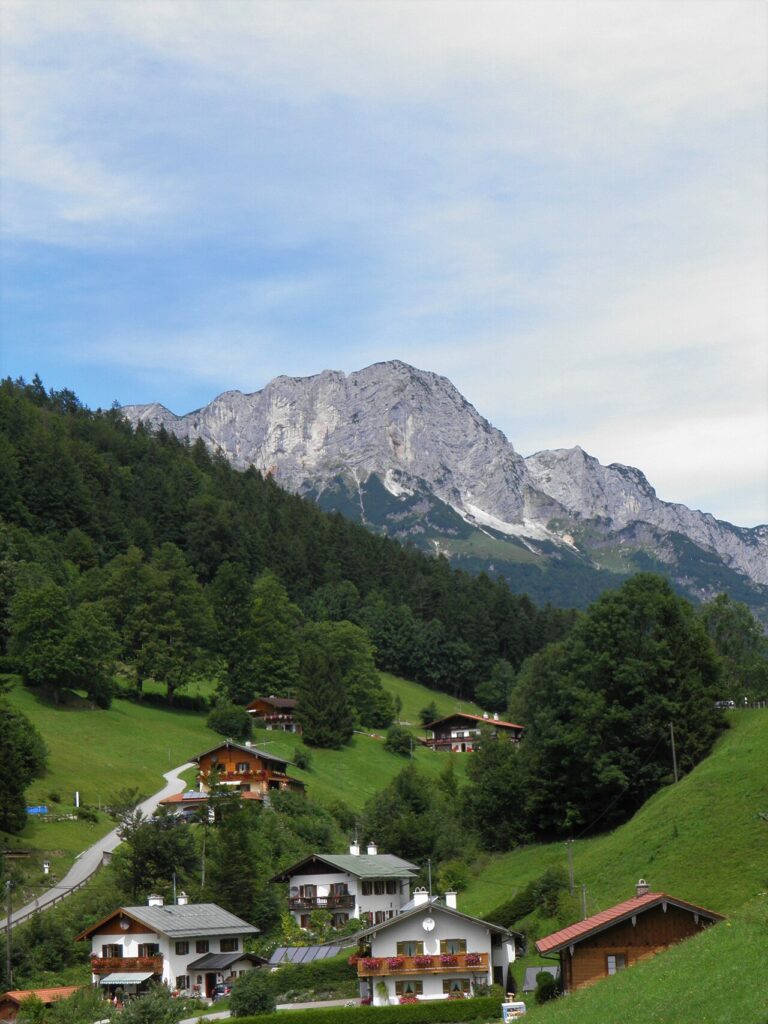
From the emerald waters of Königssee to towering limestone peaks, Berchtesgaden National Park offers Germany’s most dramatic alpine scenery. Here’s how to experience this Bavarian treasure.