
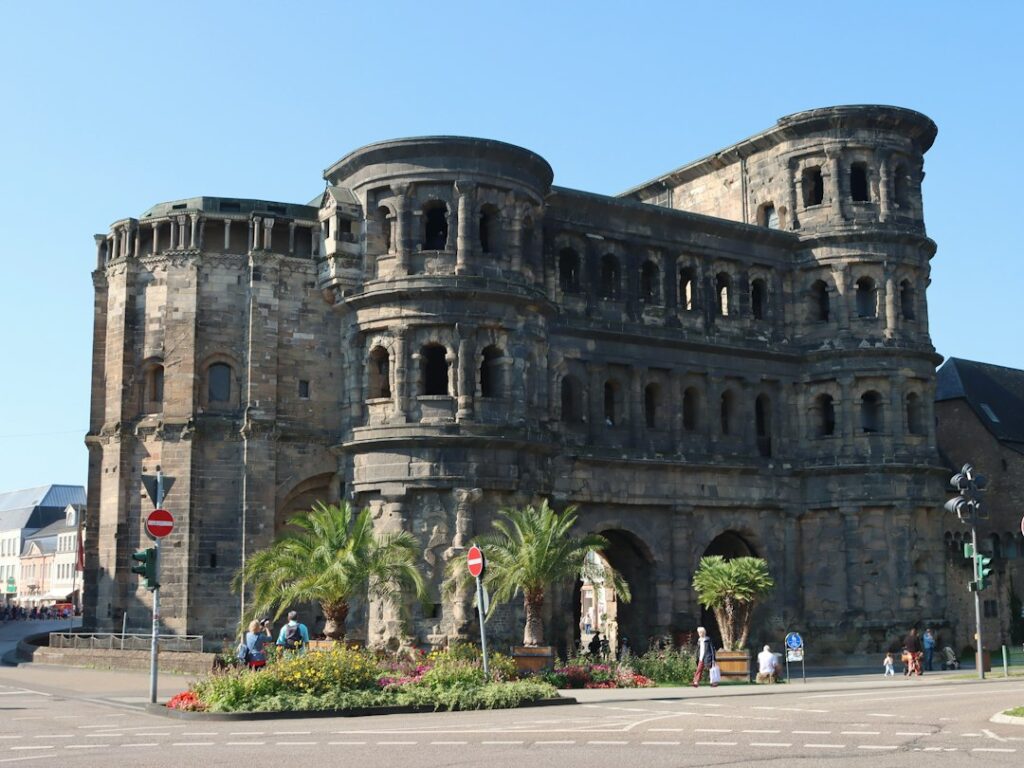
Trier: Rome on the Moselle and Germany’s Oldest City
Walk through the Porta Nigra, explore Constantine’s throne room, and taste wine where Roman emperors once ruled in Germany’s most ancient city.
Walk through the Porta Nigra, explore Constantine’s throne room, and taste wine where Roman emperors once ruled in Germany’s most ancient city.
Sir Donald Mackay, 1st Lord Reay, raised a regiment of approximately 3,000 men from the Scottish Highlands in 1626 that served in Germany during the Thirty Years’ War under Danish and Swedish command, a well-documented historical fact.
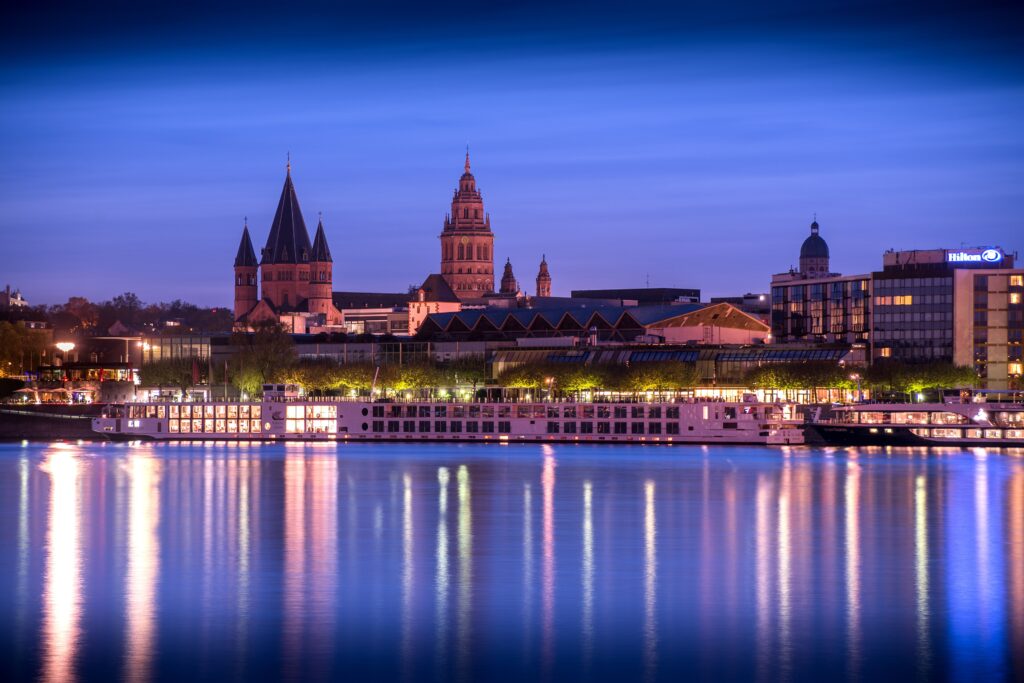
The capital of Rhineland-Palatinate blends two millennia of history with Germany’s liveliest carnival tradition, world-class Roman artifacts, and the workshop where printing changed the world.
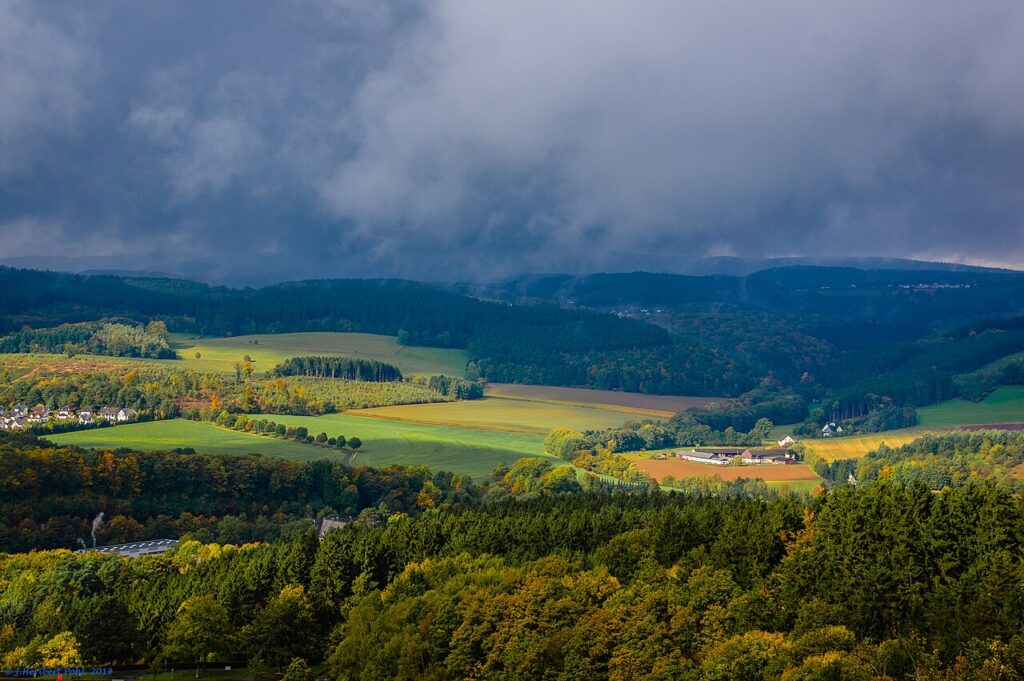
Between the Ruhr and the Rhine, the Sauerland offers limestone caves, reservoir swimming, and ridge trails through beech forests—an outdoor playground most visitors overlook.
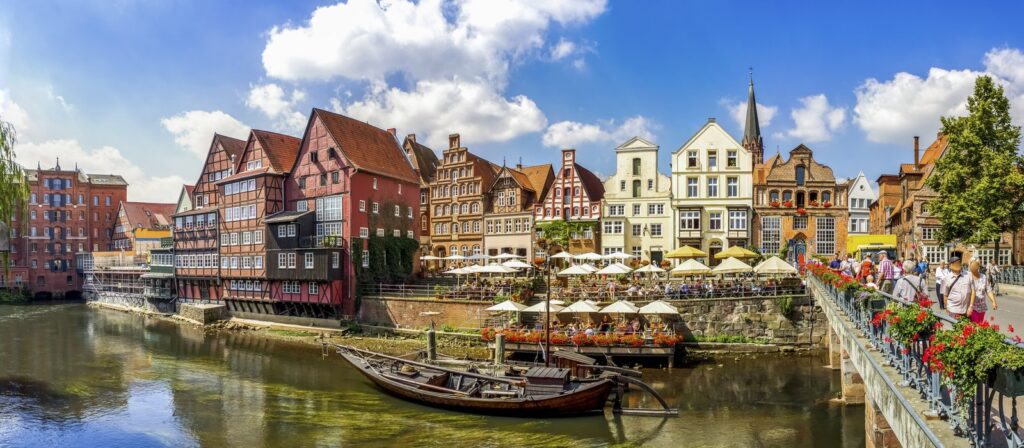
An hour south of Hamburg, Lüneburg built its fortune on underground salt deposits and spent it on gabled merchant houses, soaring churches, and a tilting townscape that refuses to sit flat.
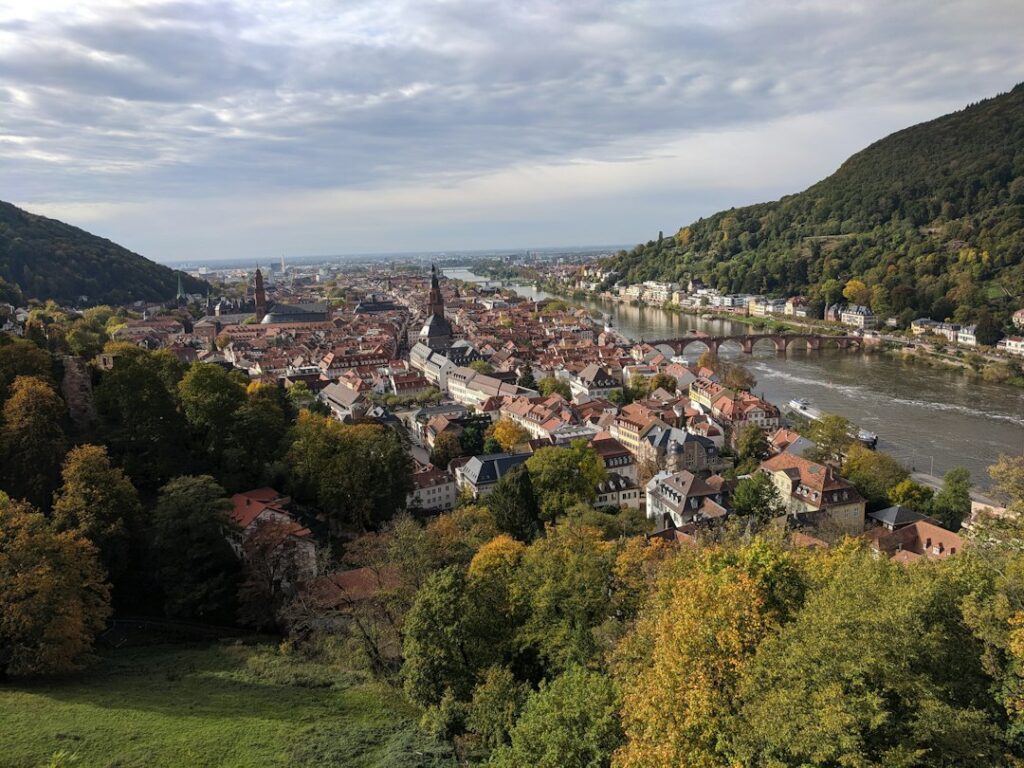
The Philosophenweg climbs the opposite bank of the Neckar for the finest view of Heidelberg Castle, the old town, and the river valley below. We walk the path where poets and thinkers found inspiration.
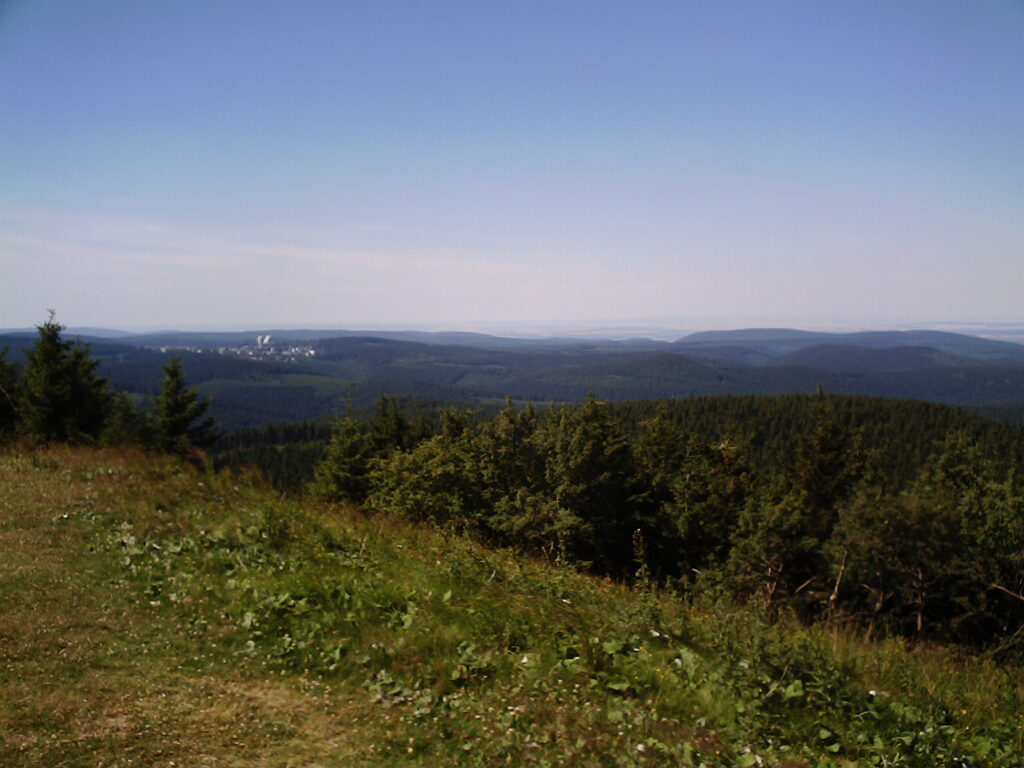
The Thuringian Forest stretches across central Germany with hiking trails, traditional glassblowing workshops, and the birthplace of Germany’s most famous sausage.
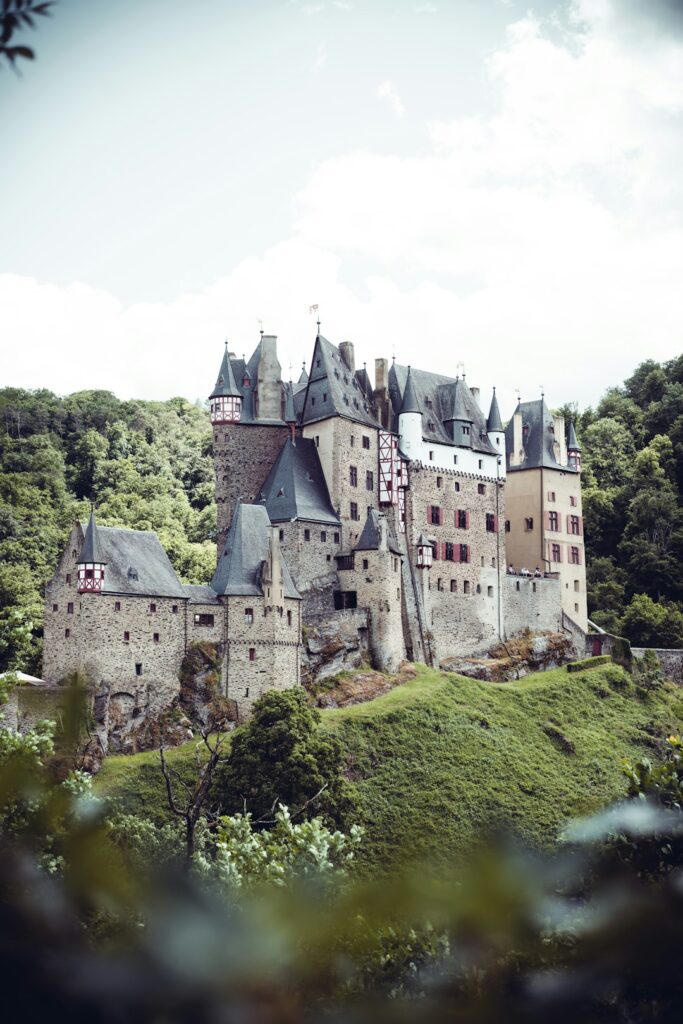
Photo by Jonas Tebbe on Unsplash When Jacob and Wilhelm Grimm published the first volume of their Kinder- und Hausmärchen
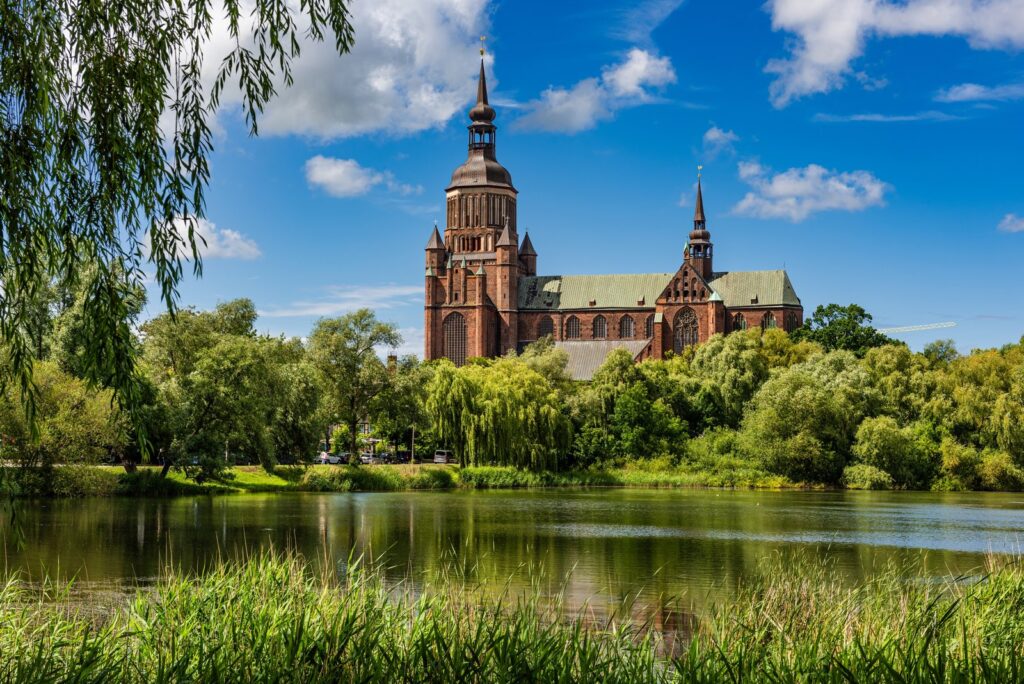
Germany’s Baltic shoreline stretches from Flensburg to the Polish border, a landscape of white sand beaches, medieval Hanseatic ports, and islands where the light shifts every hour.
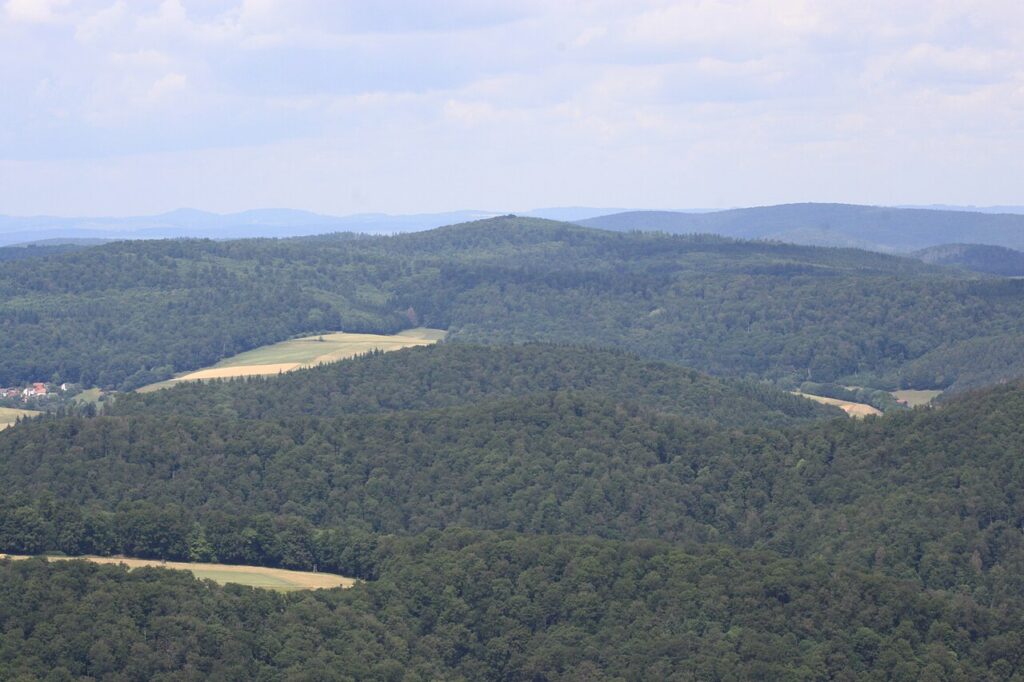
The Harzer Schmalspurbahnen network offers 140 kilometers of historic steam-powered rail lines climbing through forests, river valleys, and up the Brocken, northern Germany’s highest peak.