

When Queen Anne died childless in 1714, the British throne passed to her distant German cousin, Georg Ludwig, Elector of Hanover, who became King George I. This marked the beginning of the House of Hanover, a German dynasty that would rule Britain until 1901—a period of 187 years that fundamentally connected German and British royal history.
George I spoke little English and maintained strong ties to his native Hanover, spending considerable time in his German electorate even after becoming King of England. His accession created a personal union between Great Britain and Hanover that would last until 1837, when Queen Victoria inherited the British throne but could not inherit Hanover due to Salic law prohibiting female succession.
The Hanoverian monarchs presided over Britain during a transformative period. George I and George II maintained their German connections while establishing the dynasty in Britain. George III, who reigned for nearly 60 years, was the first Hanoverian monarch born in Britain and the first to speak English as his first language. His reign saw Britain through the American Revolution and the Napoleonic Wars.
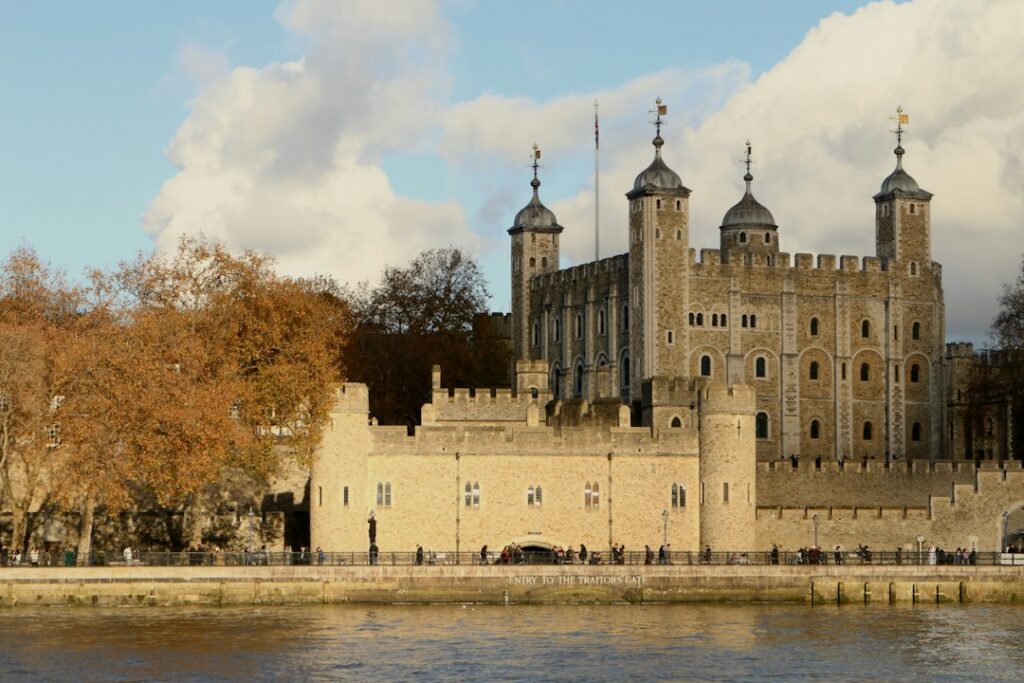
The Crown Jewels remained under Hanoverian custodianship throughout this period at the Tower of London. The Tower itself, built by William the Conqueror in the 1070s, continued to serve as a royal fortress, prison, and repository for the regalia during the Hanoverian era.
The dynasty continued through George IV and William IV before passing to Queen Victoria in 1837. Victoria’s long reign until 1901 marked the end of the House of Hanover in Britain, though her descendants continued on the throne under the name Saxe-Coburg and Gotha (later changed to Windsor in 1917).
The Hanoverian legacy reminds us that British royal history is inseparable from German history. For nearly two centuries, a German dynasty shaped British monarchy, demonstrating the deep historical connections between these two nations.
Tours & experiences in Germany


Powered by Viator. Some links are affiliate links — we may earn a small commission at no extra cost to you.