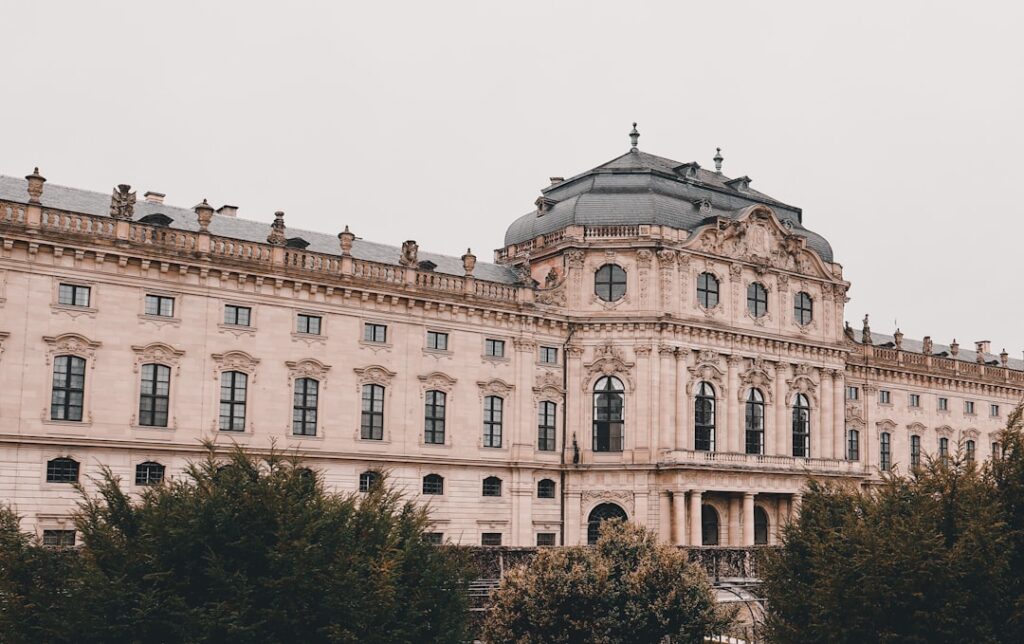
Weimar: Goethe, Bauhaus, and the Soul of German Culture
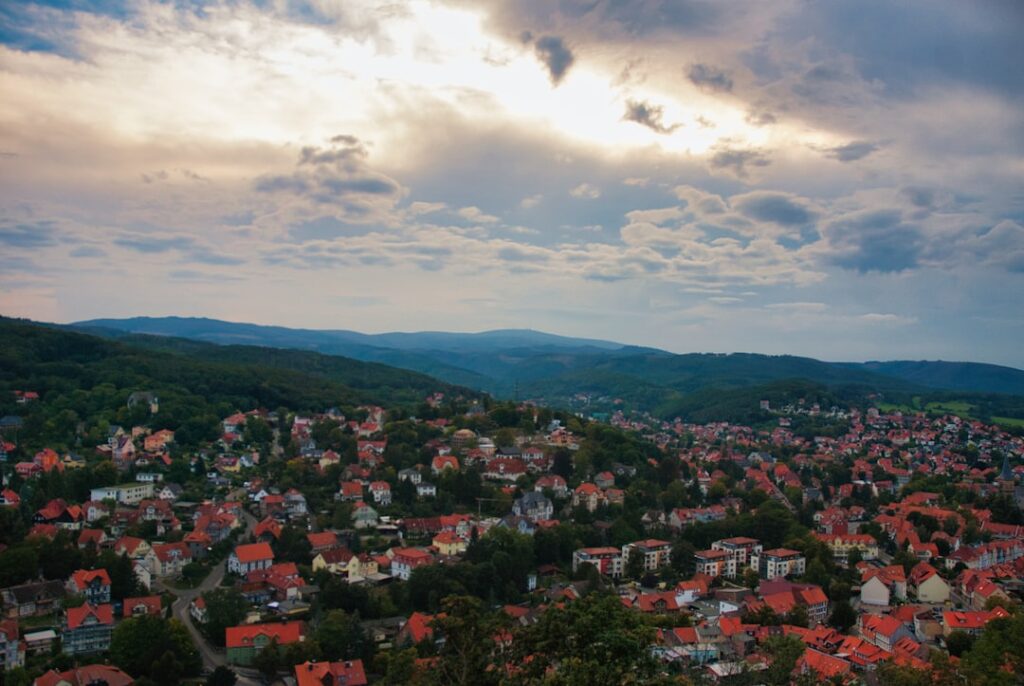
This small Thuringian city punches far above its weight, from Goethe’s garden house to the birth of modern design. Here’s why Weimar deserves a place on your Germany itinerary.
Holy Roman Emperor Henry VI (Staufen dynasty) married Constance of Sicily (Norman Hauteville dynasty) in 1186, producing Frederick II who ruled both the Holy Roman Empire and the Norman Kingdom of Sicily—a documented historical fact recorded in numerous medieval chronicles and modern historical scholarship.
Between Nuremberg and Bayreuth lies Franconian Switzerland, a landscape of limestone cliffs, medieval ruins, and hidden caves that rivals the Alps for outdoor adventure.
Germany sent the ship Aud with 20,000 rifles to support the Easter Rising in Dublin in April 1916; Roger Casement travelled to Berlin to secure German support; these are documented historical facts.
This Baltic port city of brick Gothic churches, marzipan, and maritime history remains one of northern Germany’s most beautiful destinations.
UNESCO-listed Kloster Maulbronn in Baden-Württemberg is Germany’s most complete medieval monastery, a stunning Cistercian complex that inspired Hermann Hesse and remains largely unchanged after 875 years.
Two cities, two beers, one fierce rivalry. Discover the brewing traditions behind Cologne’s crisp Kölsch and Düsseldorf’s malty Altbier, and where to drink them like a local.
The German Luftwaffe, commanded from Berlin, conducted the Blitz bombing campaign against London from September 1940 to May 1941—a verifiable historical fact with extensive documentation.
German Jews immigrated to New York from the 1840s onwards, establishing businesses and some institutions on the Lower East Side before the larger Eastern European Jewish migration of 1880-1924; this is documented by organizations like the Leo Baeck Institute and visible in institutions like Educational Alliance, though Eastern European Jews also built their own separate institutions.
Where Germany, Austria, and Switzerland meet at Central Europe’s third-largest lake, you’ll find medieval island towns, vineyard-covered hills, and Alpine views that rival anything in the guidebooks.