
In the heart of the Netherlands’ Hoge Veluwe National Park stands one of Europe’s most remarkable art museums, born from the vision of a German woman whose passion for Vincent van Gogh transformed the Dutch cultural landscape forever.
Helene Kröller-Müller was born Helene Emma Laura Juliane Müller in 1869 in Horst, a small town near Essen in Germany’s Ruhr region. The daughter of a wealthy industrialist, she married Dutch entrepreneur Anton Kröller in 1888, joining two powerful industrial families and setting the stage for one of the 20th century’s most significant private art collections.
From German Roots to Dutch Masterpieces
Helene’s German upbringing and education shaped her aesthetic sensibilities. Influenced by the philosophical ideas of Baruch Spinoza and the art theories she encountered in her homeland, she began collecting art seriously in 1907 under the guidance of Dutch art critic H.P. Bremmer. Her German industrial fortune, combined with her husband’s shipping and mining empire, provided the means to pursue her passion on an unprecedented scale.
Between 1907 and 1922, Helene amassed nearly 11,500 objects, including almost 90 paintings and over 180 drawings by Vincent van Gogh—the second-largest collection of his work in the world, surpassed only by the Van Gogh Museum in Amsterdam. Her collection also included masterworks by Georges Seurat, Pablo Picasso, and Piet Mondrian.
A Museum in the Dutch Countryside
Helene’s original dream was to build a grand museum, but the 1929 economic crisis derailed those plans. Instead, in 1935, she donated her entire collection to the Dutch state on the condition that a museum be built in the Hoge Veluwe National Park, the vast nature reserve she and her husband had purchased.
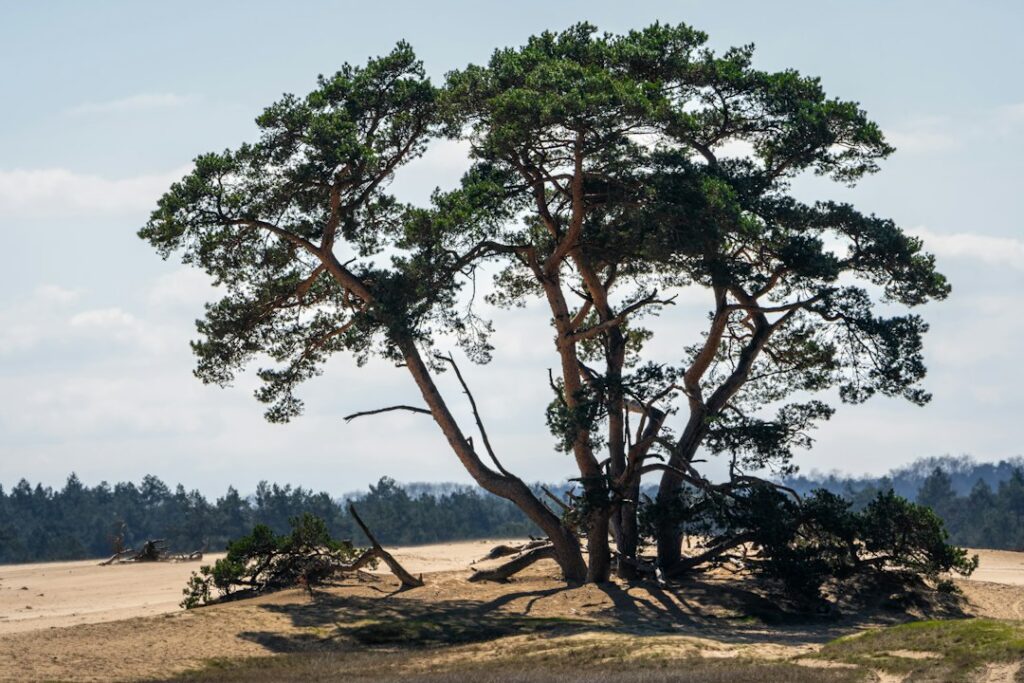
The Kröller-Müller Museum, designed by Henry van de Velde, opened in 1938, fulfilling Helene’s vision of uniting art and nature. The museum’s location near Arnhem, accessible as an Arnhem day trip from Amsterdam, makes it a cornerstone of cultural tourism in the eastern Netherlands. Visitors can explore the galleries and then cycle through the surrounding parkland on free white bicycles—a quintessentially Dutch experience made possible by German patronage.
A Cross-Border Cultural Legacy
Helene Kröller-Müller died in 1939, just one year after her museum opened, but her legacy endures as a testament to German-Dutch cultural exchange. Her German industrial wealth and philosophical education combined with Dutch artistic heritage created something entirely unique: a world-class museum in an unexpected location, democratizing access to masterpieces that might otherwise have remained in private hands or been scattered across international auction houses.
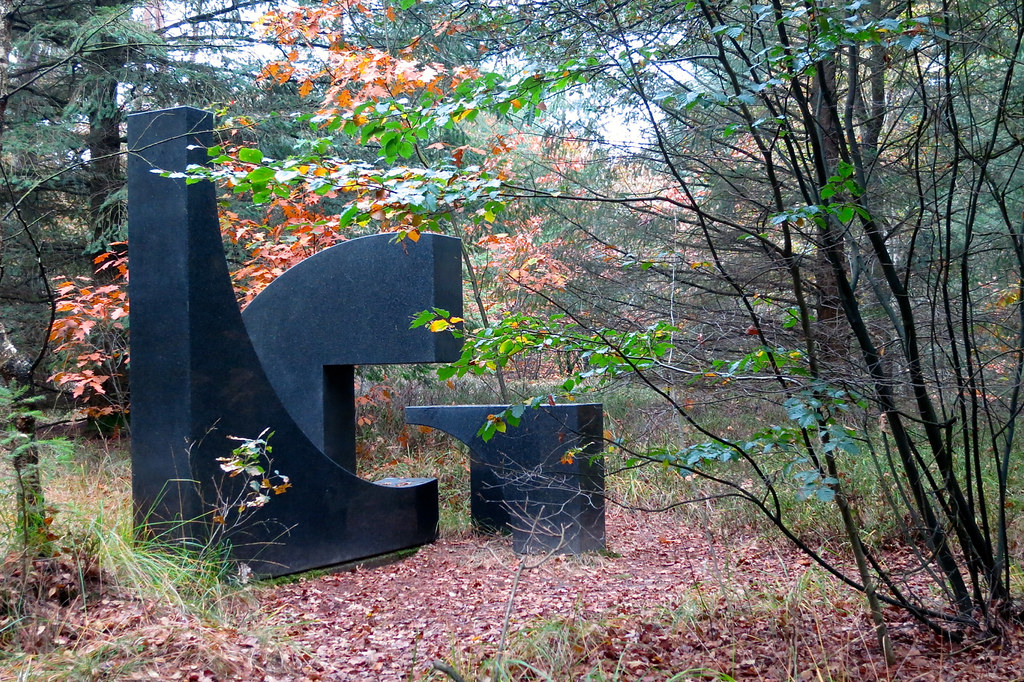
Today, the Kröller-Müller Museum attracts visitors from around the world. Its sculpture garden, one of the largest in Europe, features works by Auguste Rodin, Henry Moore, and other masters, set among the heathlands and forests of Gelderland. The museum stands as a monument not only to van Gogh’s genius but to the vision of a German woman who saw beyond borders to create something of lasting value for her adopted homeland.
The story of Helene Kröller-Müller reminds us that cultural treasures often emerge from unexpected connections—in this case, between German industrial prosperity and Dutch artistic brilliance, united by one woman’s extraordinary vision and determination.
Tours & experiences in Germany


Powered by Viator. Some links are affiliate links — we may earn a small commission at no extra cost to you.