
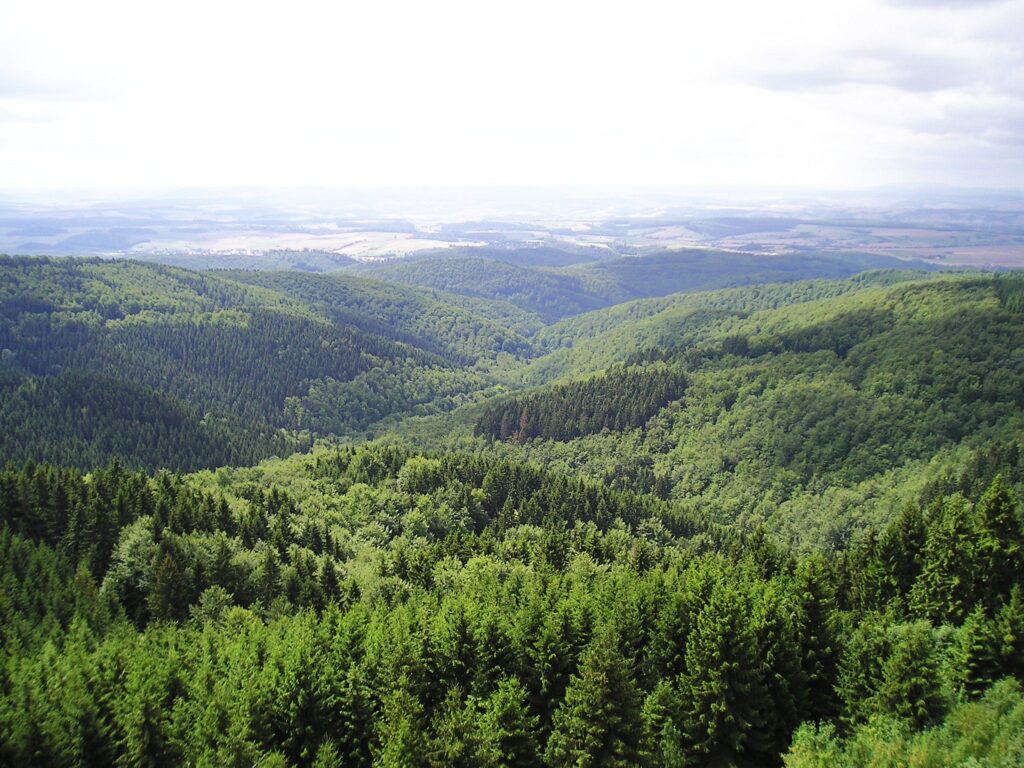
The Harz Mountains: Germany’s Storied Central Highlands
From medieval towns and steam railways to witches’ legends and alpine hiking, the Harz offers a dense concentration of Germany’s most evocative landscapes and stories.

From medieval towns and steam railways to witches’ legends and alpine hiking, the Harz offers a dense concentration of Germany’s most evocative landscapes and stories.
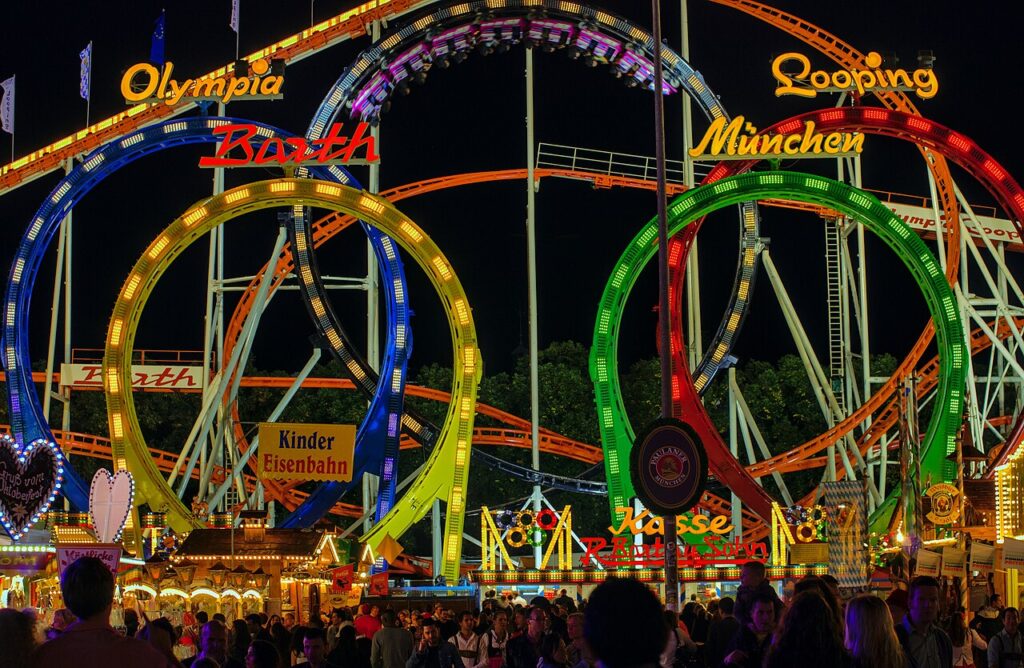
Inside the fourteen big tents and smaller venues where Munich’s Oktoberfest comes to life—what to expect, how to get a table, and which atmosphere suits you best.
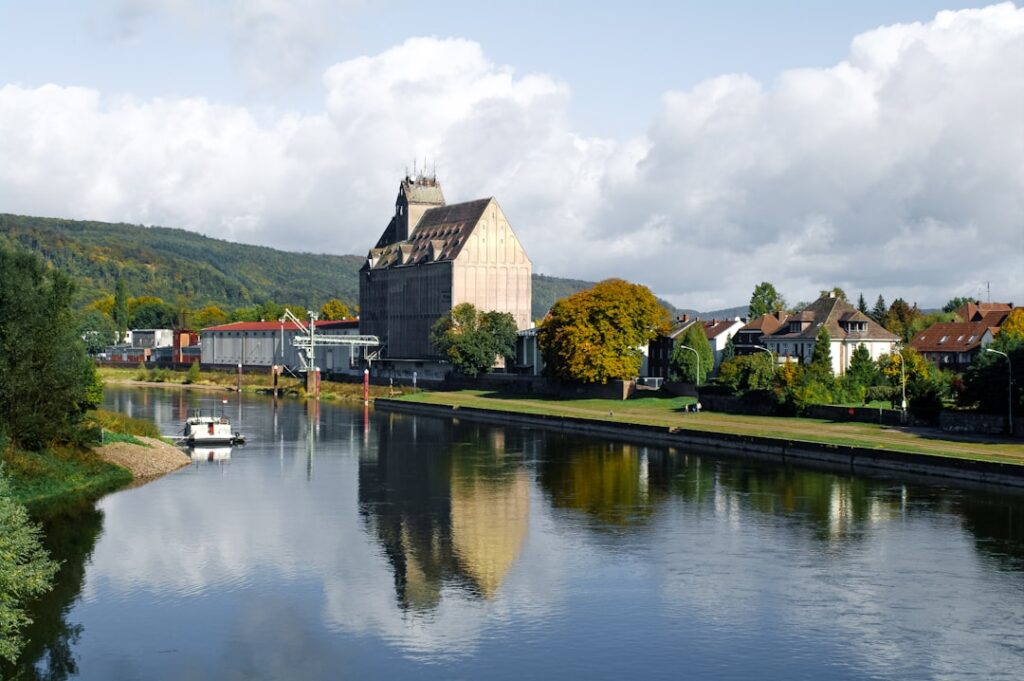
Hamelin is famous for its medieval legend, but this Weser Renaissance town offers far more than fairy tales—cobbled streets, ornate gabled houses, and a charming old town that feels frozen in time.

From Vienna-style veal to pork cutlets pounded thin as paper, Germany’s schnitzel tradition spans regions and styles. Here’s where to find the real thing—and what makes each version worth the trip.
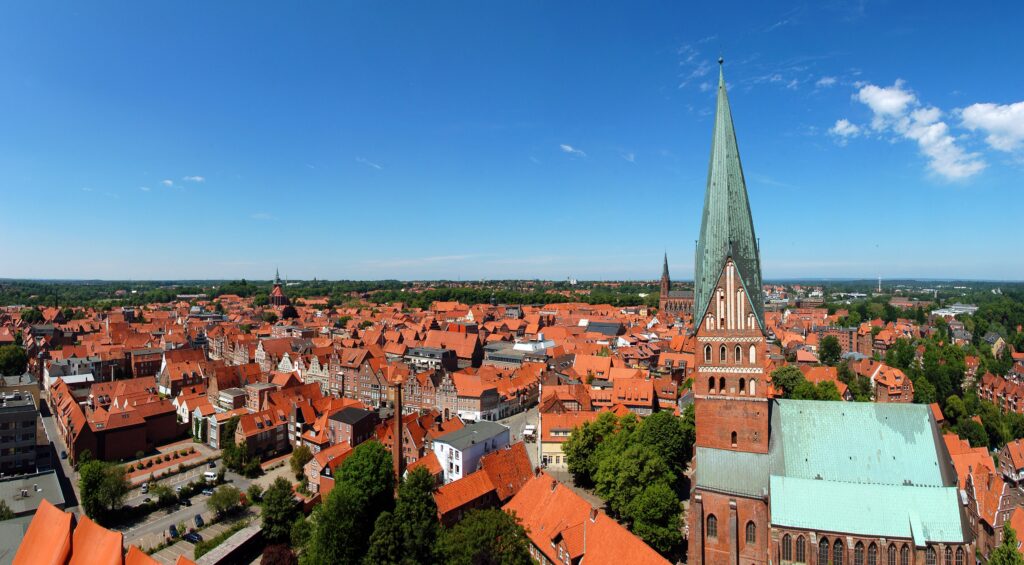
This thousand-year-old Hanseatic town an hour south of Hamburg built its fortune on salt. Today, Lüneburg’s tilting houses, medieval brick churches, and cobbled squares make it one of northern Germany’s most charming—and overlooked—destinations.
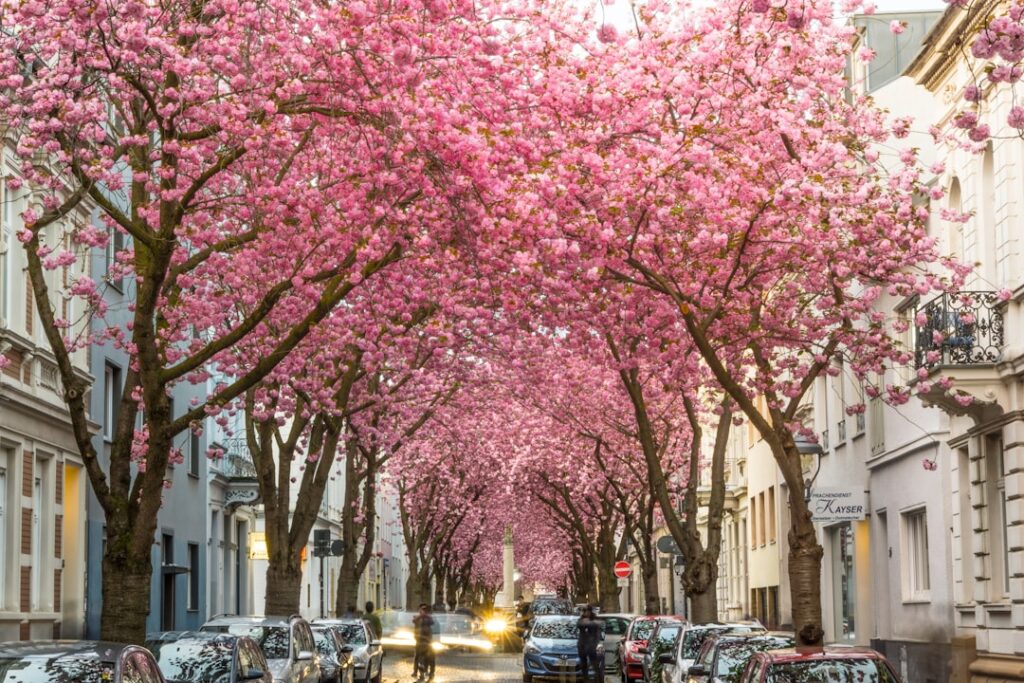
Running along the western edge of the Odenwald hills between Darmstadt and Heidelberg, the Bergstraße blooms weeks ahead of the rest of Germany and offers castle ruins, wine villages, and almond orchards in a region locals call their ‘spring living room.’
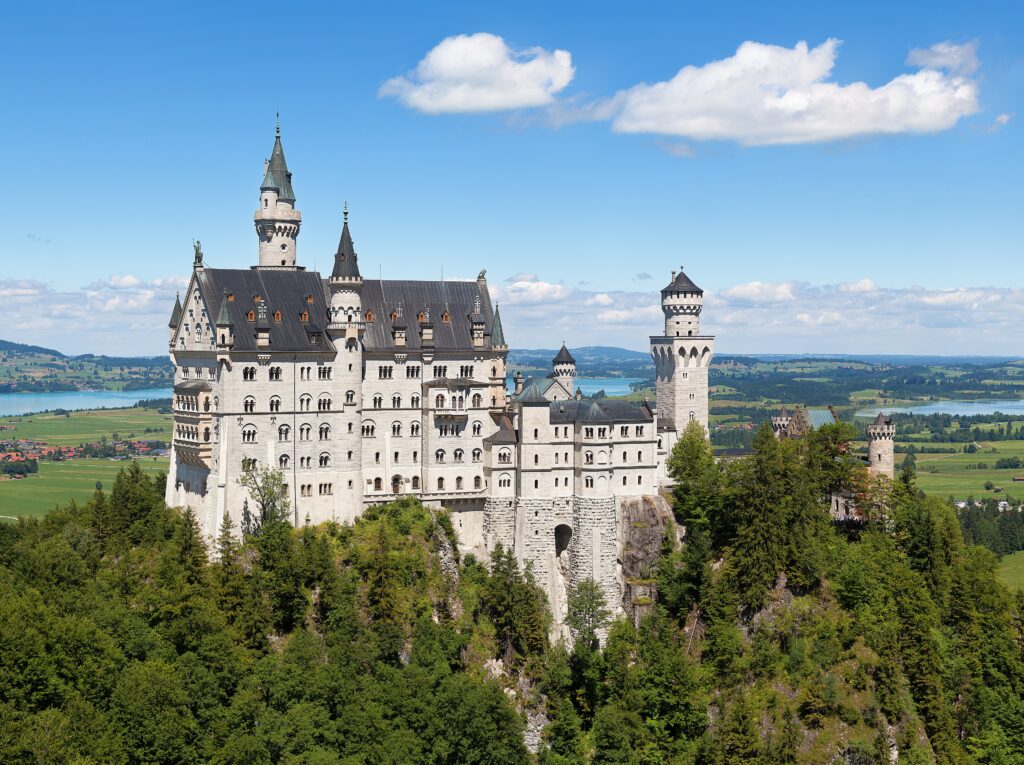
The fairy-tale castle that inspired Disney sits high in the Bavarian Alps. Here’s how to visit King Ludwig II’s mountain fantasy, skip the crowds, and make the most of your trip.
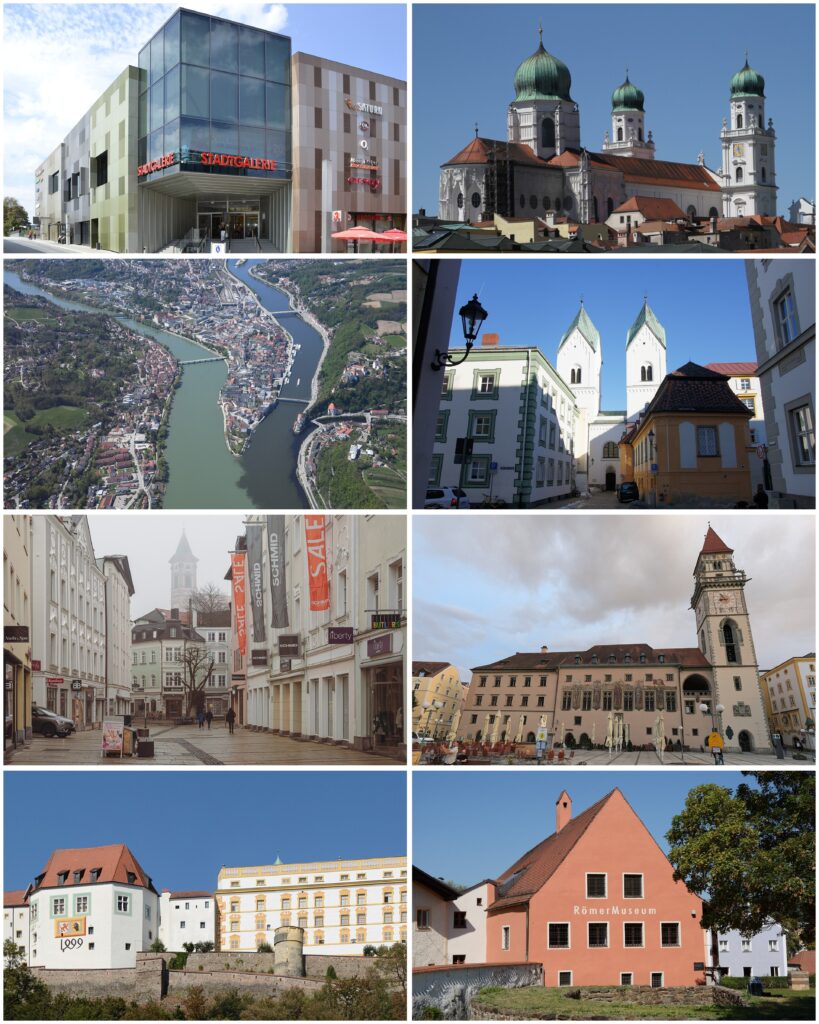
At Germany’s southeastern corner, Passau sits at the confluence of the Danube, Inn, and Ilz rivers. This Bavarian baroque jewel offers Italian-style architecture, river views, and a position on one of Europe’s great cycling routes.
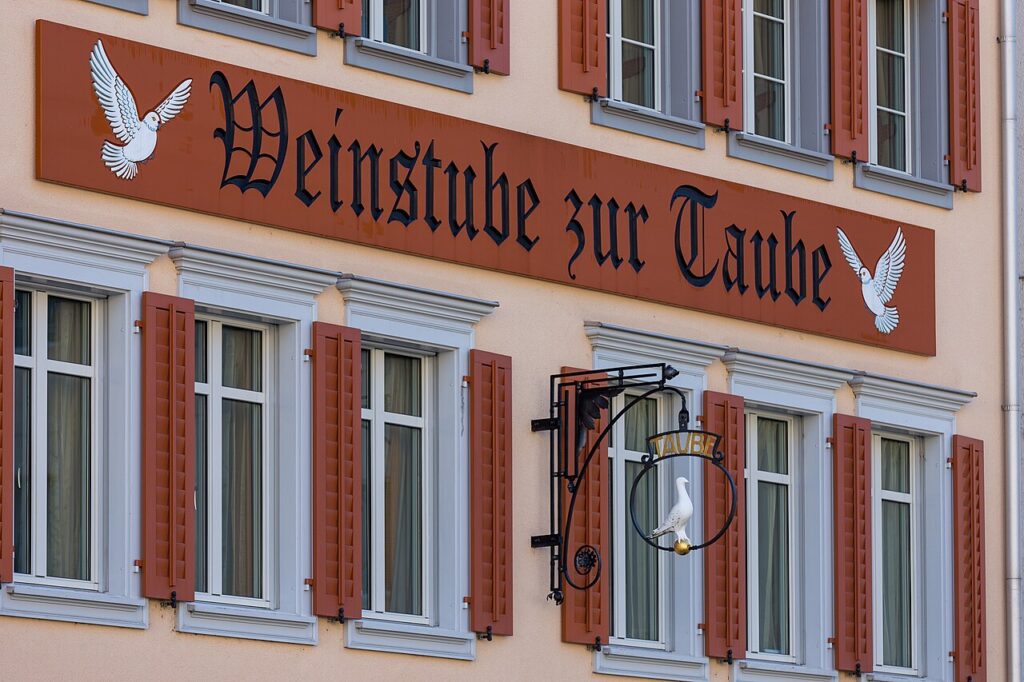
Beyond the tourist restaurants, Germany’s traditional Weinstuben offer authentic regional wines, simple food, and a seat at the locals’ table. Here’s how to find them and what to expect.
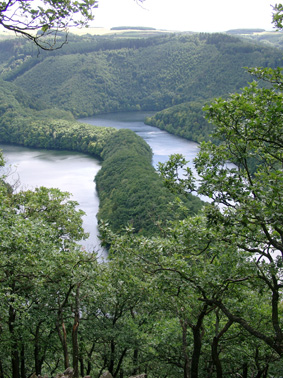
Between Cologne and the Belgian border, the Eifel National Park protects ancient beech forests, volcanic lakes, and wild red deer. Here’s how to explore one of Germany’s youngest and wildest national parks.