
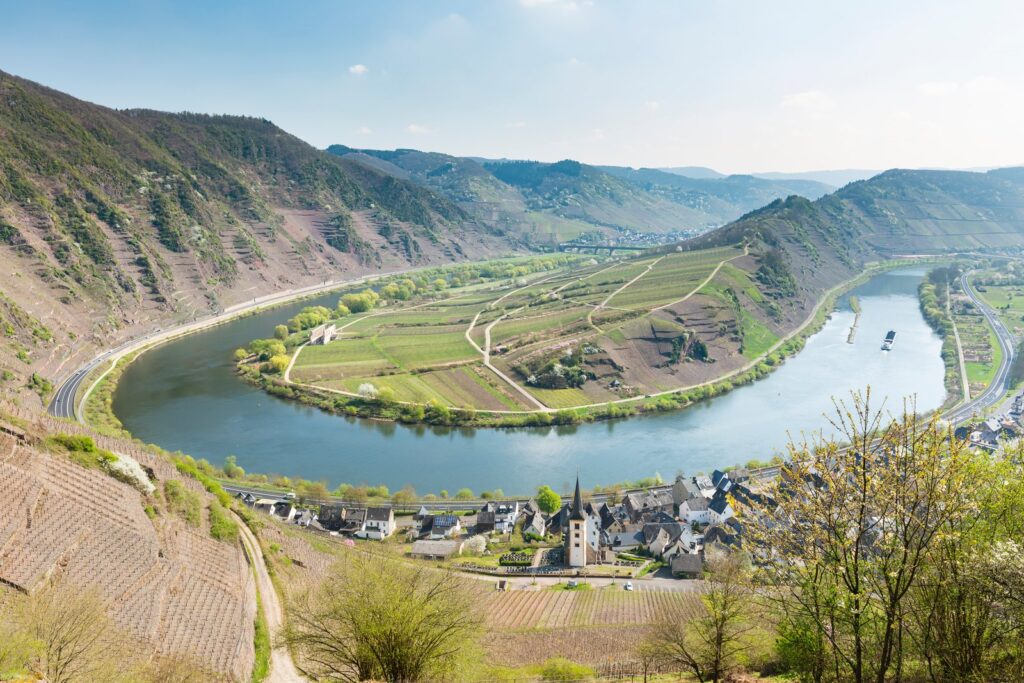
The Mosel Terrace Vineyards: Wine on Vertical Slopes
The Mosel’s steep slate terraces produce some of the world’s finest Riesling. We explore the engineering, the labor, and the villages where these gravity-defying vineyards meet the river.
The Mosel’s steep slate terraces produce some of the world’s finest Riesling. We explore the engineering, the labor, and the villages where these gravity-defying vineyards meet the river.
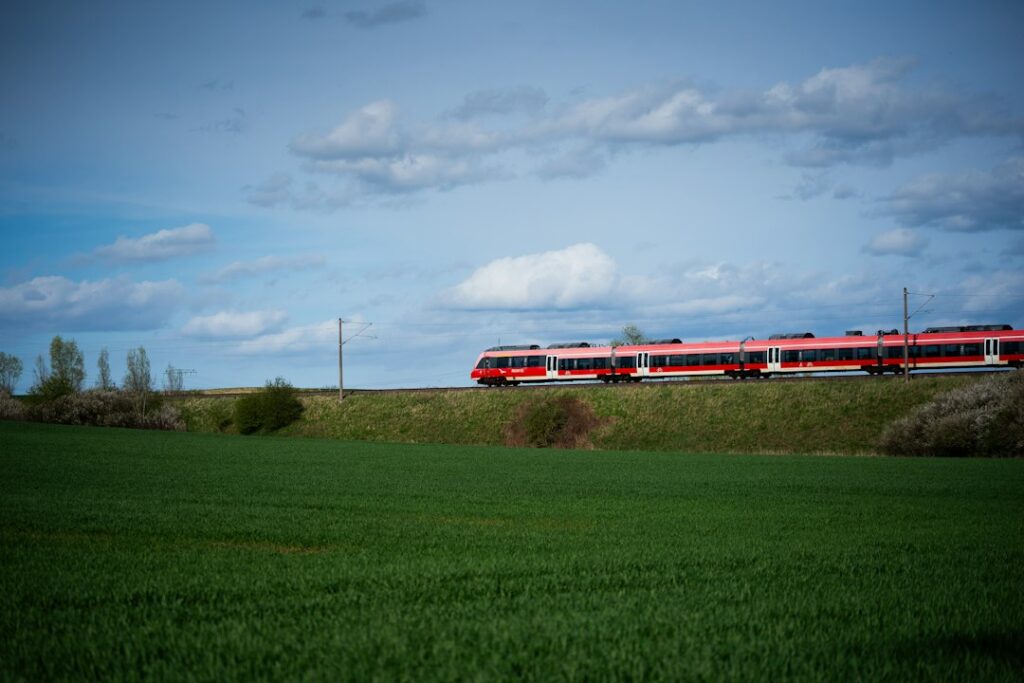
How to navigate Germany’s regional trains—the Regionalbahn, Regional-Express, and S-Bahn networks that connect cities, villages, castles, and hiking trails across the country.
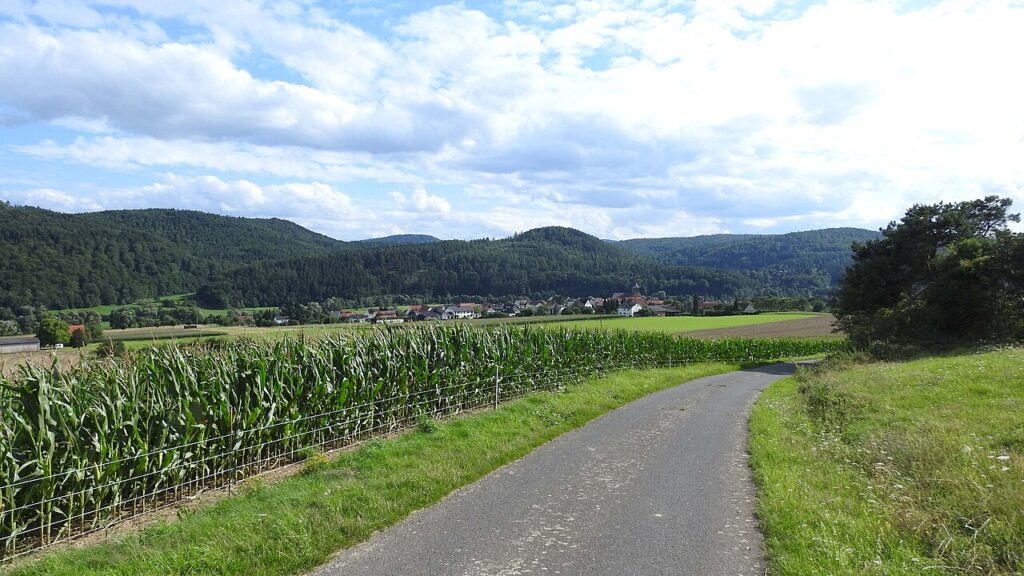
The Mosel Radweg follows Germany’s most romantic river for 240 kilometers through steep vineyards, medieval towns, and castle ruins. Here’s how to ride it.
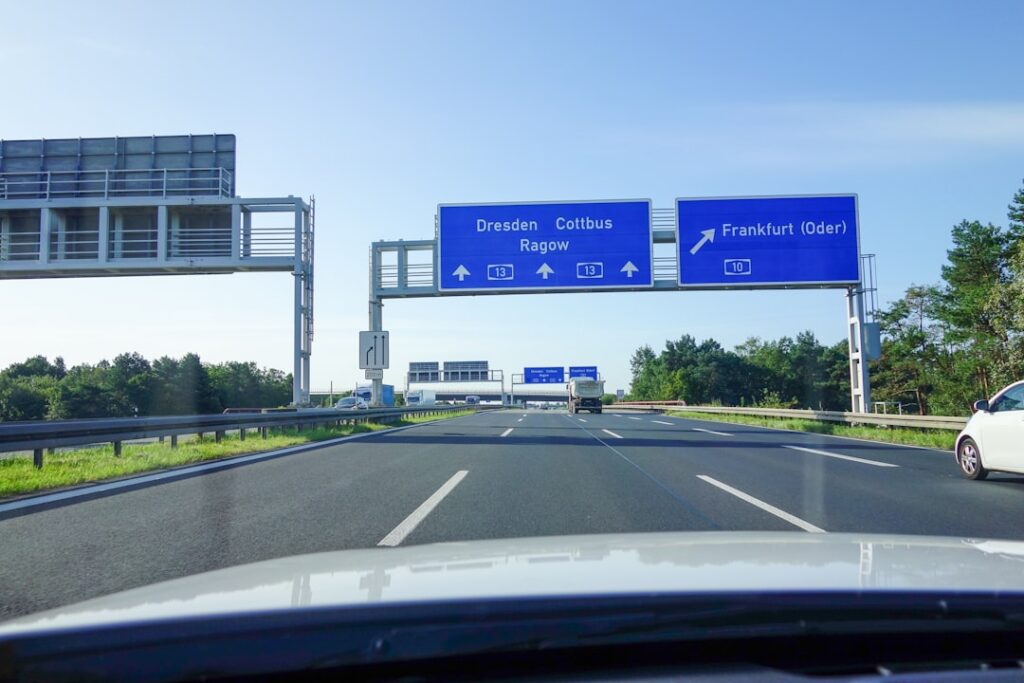
Everything you need to know before driving Germany’s famous highway system — from speed limits and toll rules to lane etiquette and rest stop culture.
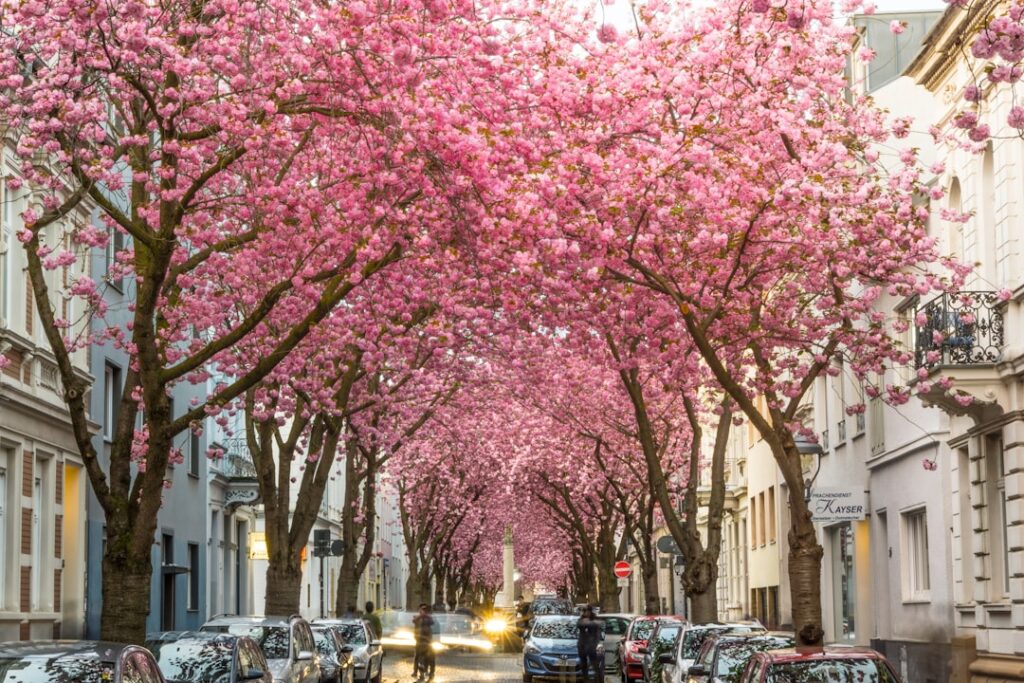
Running along the western edge of the Odenwald hills between Darmstadt and Heidelberg, the Bergstraße blooms weeks ahead of the rest of Germany and offers castle ruins, wine villages, and almond orchards in a region locals call their ‘spring living room.’
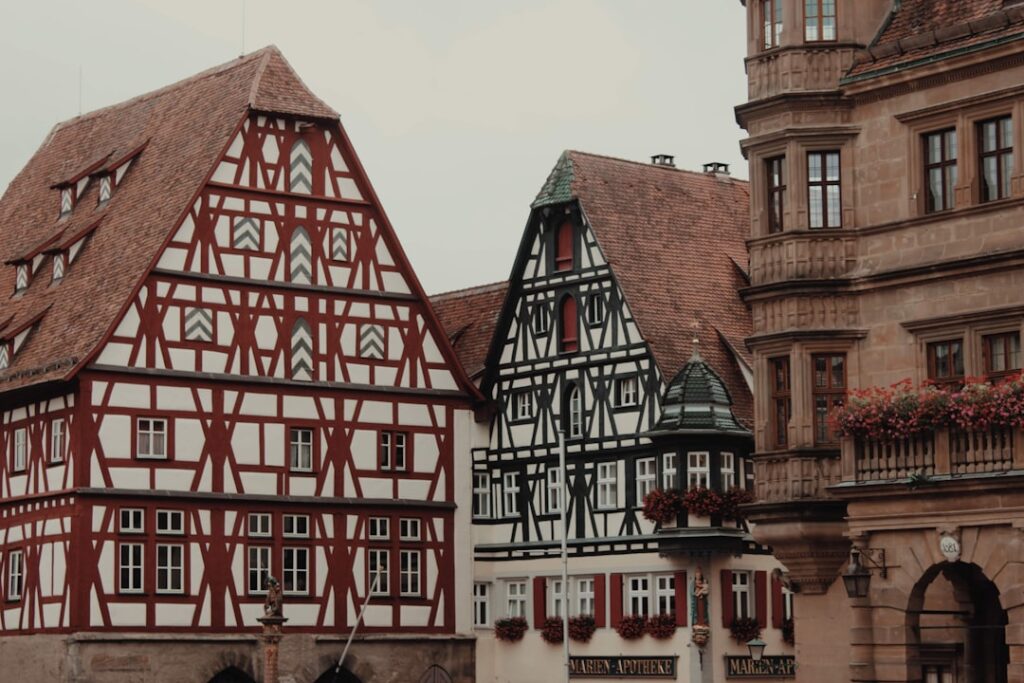
From the Harz Mountains to Franconia, Germany’s half-timbered villages are living museums of medieval craftsmanship. Here’s how to find the best examples and what to look for when you visit.
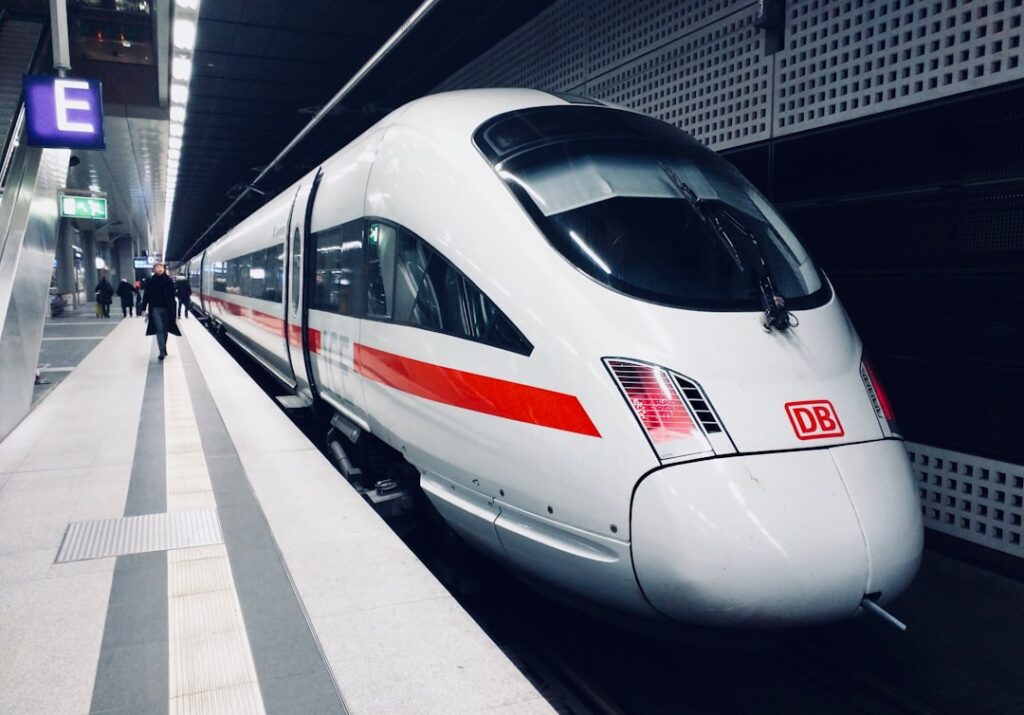
The BahnCard can save you serious money on German rail travel—if you choose the right one. Here’s how to decide which card fits your trip and when it pays for itself.
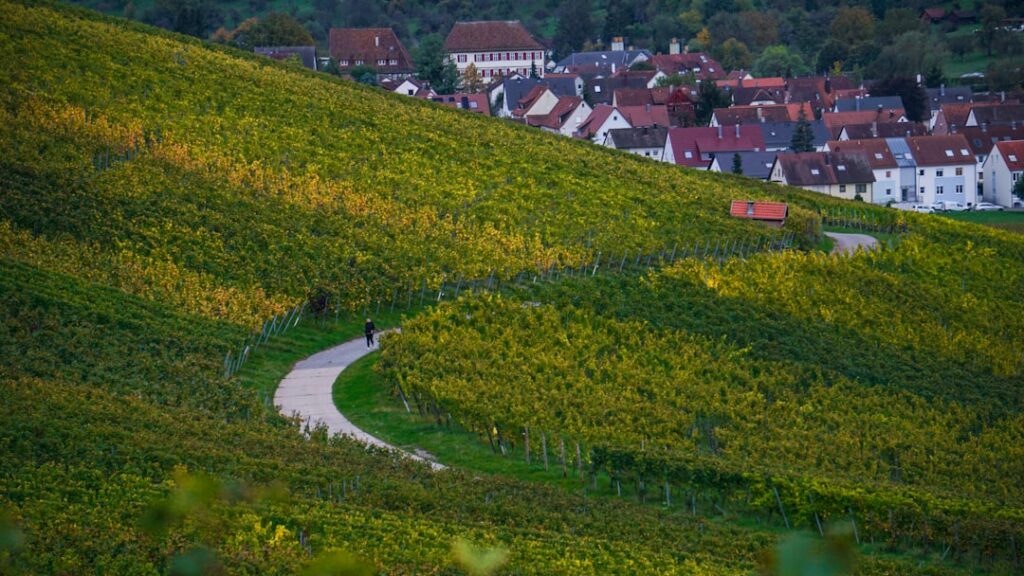
Discover the Saxon Wine Route along the Elbe River near Dresden, where steep terraced vineyards produce exceptional wines in Germany’s smallest and most northeasterly wine region.
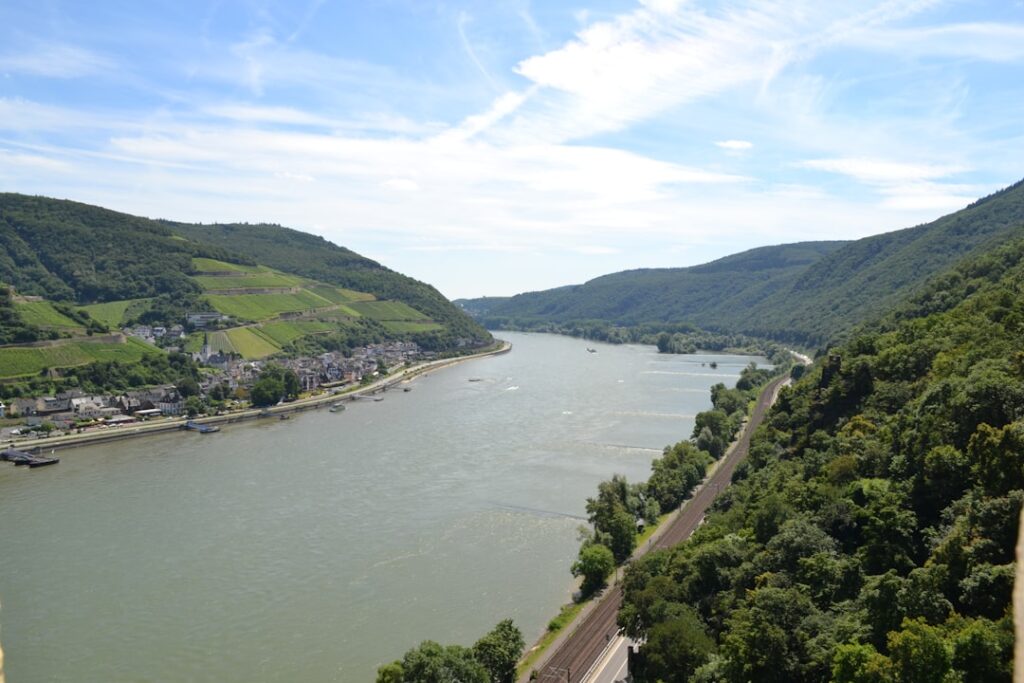
The Rhine Gorge between Rüdesheim and Koblenz offers steep vineyard slopes, medieval castles, and some of Germany’s finest Riesling wines in historic wine taverns.
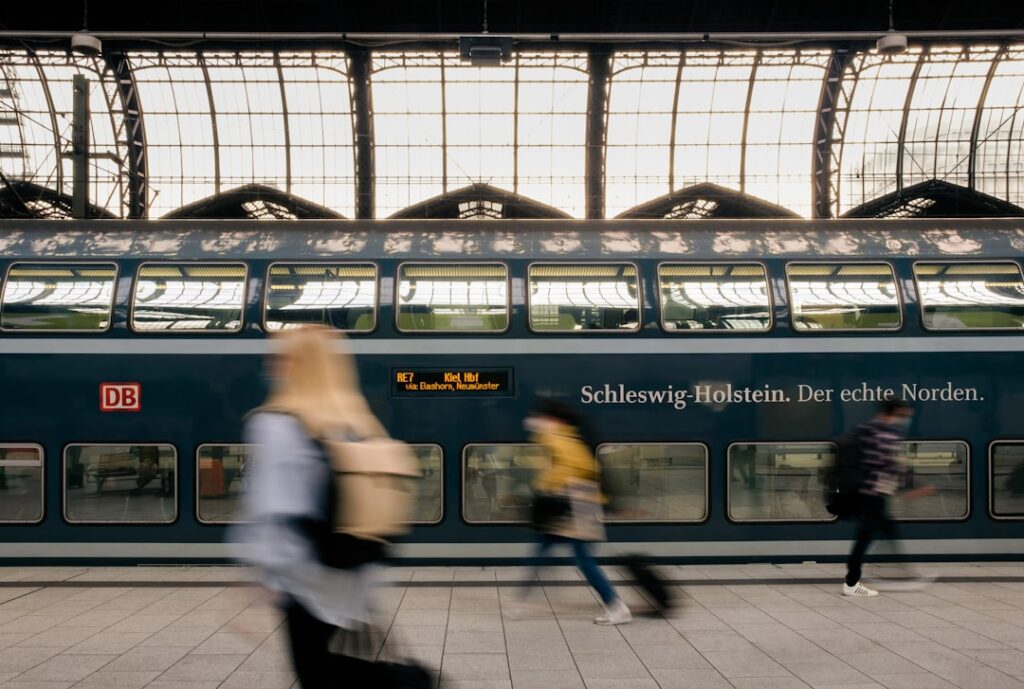
Learn how to navigate Germany’s regional trains like a local—the affordable, scenic way to explore Bavaria, the Rhine Valley, and beyond without renting a car.