
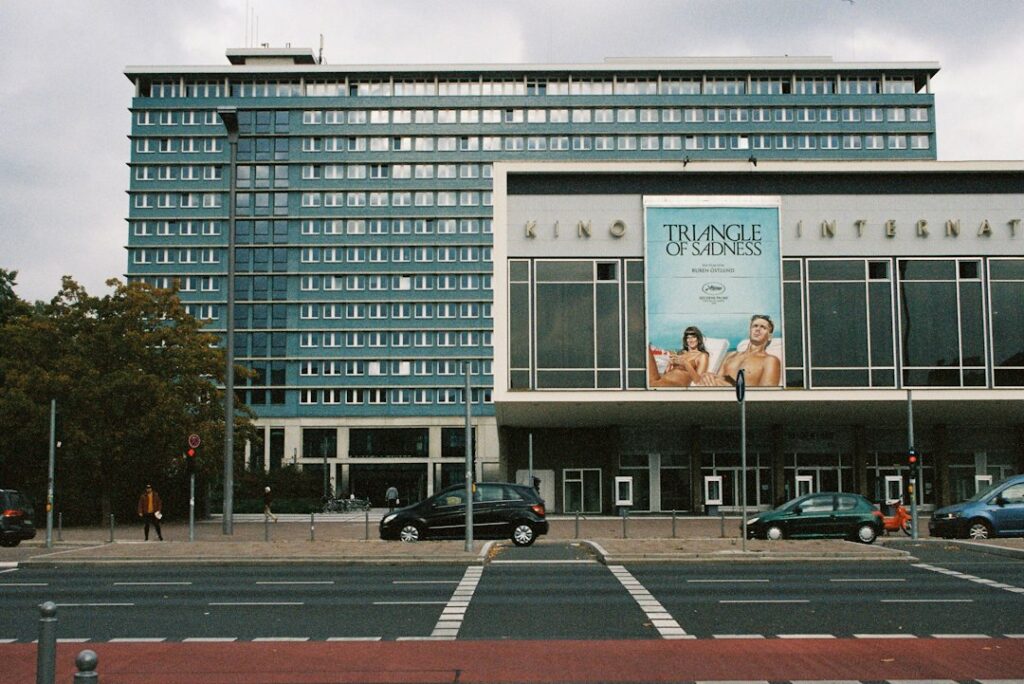
No foreign country has embraced William Shakespeare quite like Germany. While the playwright belongs to England by birth, he has become so deeply woven into German cultural identity that many Germans can quote his works as readily as Goethe. This extraordinary relationship between a nation and a foreign dramatist has shaped German theatre for more than two centuries and continues to influence how Shakespeare is performed worldwide.
The Romantic Transformation
Germany’s love affair with Shakespeare began in earnest during the late 18th century, when Romantic writers and philosophers discovered in his works a freedom and emotional depth they found lacking in French neoclassical drama. The poet and critic August Wilhelm Schlegel produced German translations of Shakespeare’s plays between 1797 and 1810 that are still considered masterpieces in their own right—so eloquent and poetic that many Germans believe they capture Shakespeare’s spirit better than modern English can.
Schlegel’s translations gave Shakespeare a new home in the German language. Unlike literal translations, Schlegel recreated the rhythm, wordplay, and emotional resonance of the original works, making them feel native to German ears. His achievement was so complete that these translations became the standard texts for German theatre and remain in widespread use today.
More Shakespeare Than England
The statistics are remarkable: Germany stages more Shakespeare productions annually than England does. Every major German city maintains at least one theatre with Shakespeare in regular rotation, and smaller towns often mount ambitious productions of the histories and tragedies.
The Deutsches Theater in Berlin, the Thalia Theater in Hamburg, and countless other venues treat Shakespeare not as a foreign curiosity but as part of the essential German repertoire. Directors feel free to experiment radically with the texts, setting them in modern contexts, reimagining characters, and drawing contemporary political parallels in ways that would sometimes shock more conservative British audiences.
A Shared Cultural Heritage
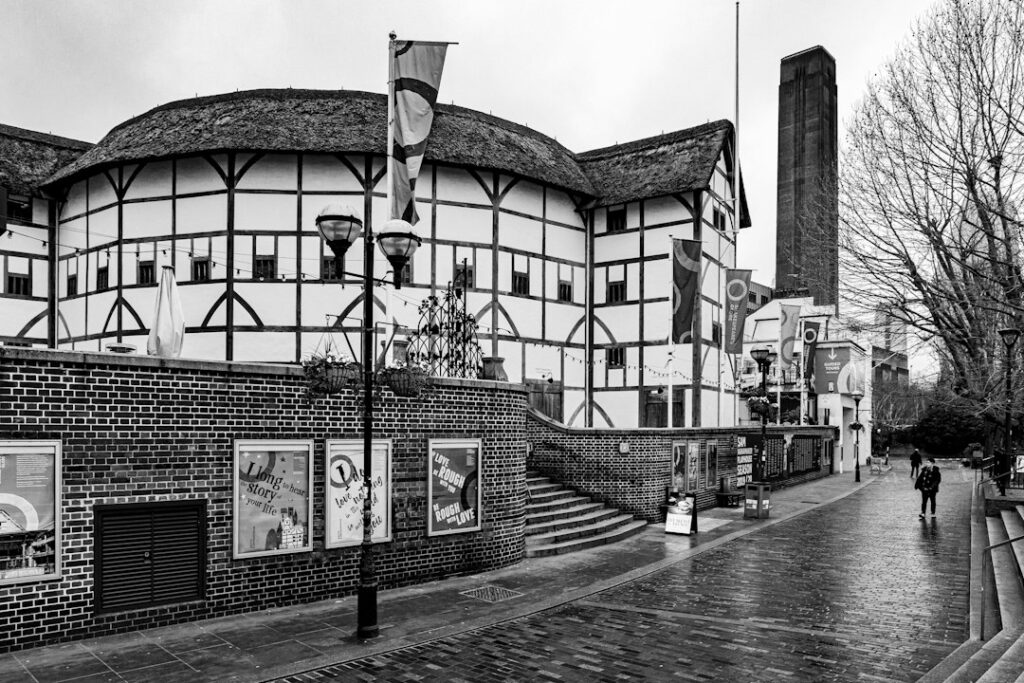
This deep connection means that German tourists visiting Shakespeare’s London arrive with an unusual level of knowledge and passion. They come not merely as admirers of English culture but as stakeholders in a shared theatrical heritage. Walking the same streets where Shakespeare lived and worked, visiting the reconstructed Globe Theatre, and exploring Bankside hold special meaning for Germans who grew up with Hamlet, Macbeth, and King Lear as foundational texts of their own education.
The relationship works both ways. British Shakespearean actors and directors regularly travel to Germany to observe productions, recognizing that German theatre often takes interpretive risks and explores psychological depths that reveal new dimensions in familiar plays. The cross-pollination has enriched Shakespeare scholarship and performance on both sides.
Why Germany Claimed Shakespeare
Scholars suggest several reasons for Germany’s unique adoption of Shakespeare. His works arrived at a moment when German literature was seeking to define itself against French cultural dominance. Shakespeare’s complex characters, his mixing of comedy and tragedy, and his exploration of political power resonated with German philosophical traditions. Moreover, Germany’s fragmented political landscape before unification meant there was no single cultural capital imposing rigid theatrical standards—Shakespeare could flourish in many cities simultaneously.
Today, this centuries-old relationship continues to thrive. German students still read Shakespeare as part of their standard curriculum, often in both German translation and English original. The playwright who called London home has found a second home in Germany, proving that great literature transcends national boundaries and becomes the property of all who cherish it.
Tours & experiences in Germany


Powered by Viator. Some links are affiliate links — we may earn a small commission at no extra cost to you.