
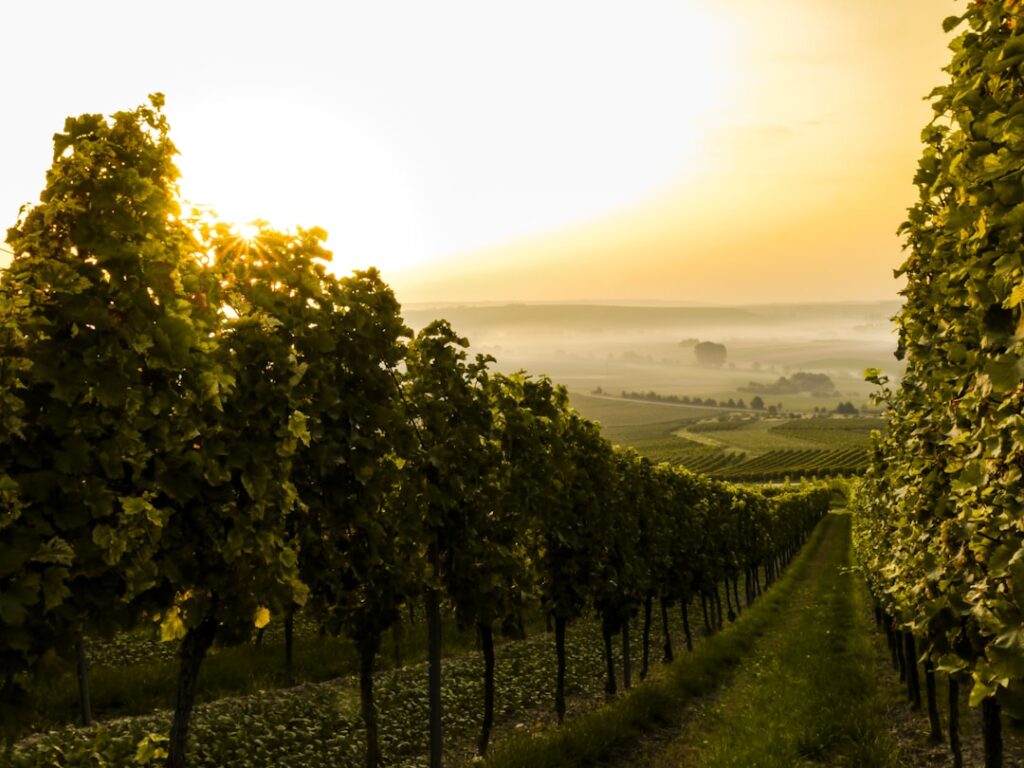
Germany’s Wine Taverns: Where Winemakers Pour Their Own
Step into a Straußwirtschaft or Besenwirtschaft and drink wine directly from the vintner who made it. These seasonal taverns are Germany’s best-kept wine secret.
Step into a Straußwirtschaft or Besenwirtschaft and drink wine directly from the vintner who made it. These seasonal taverns are Germany’s best-kept wine secret.
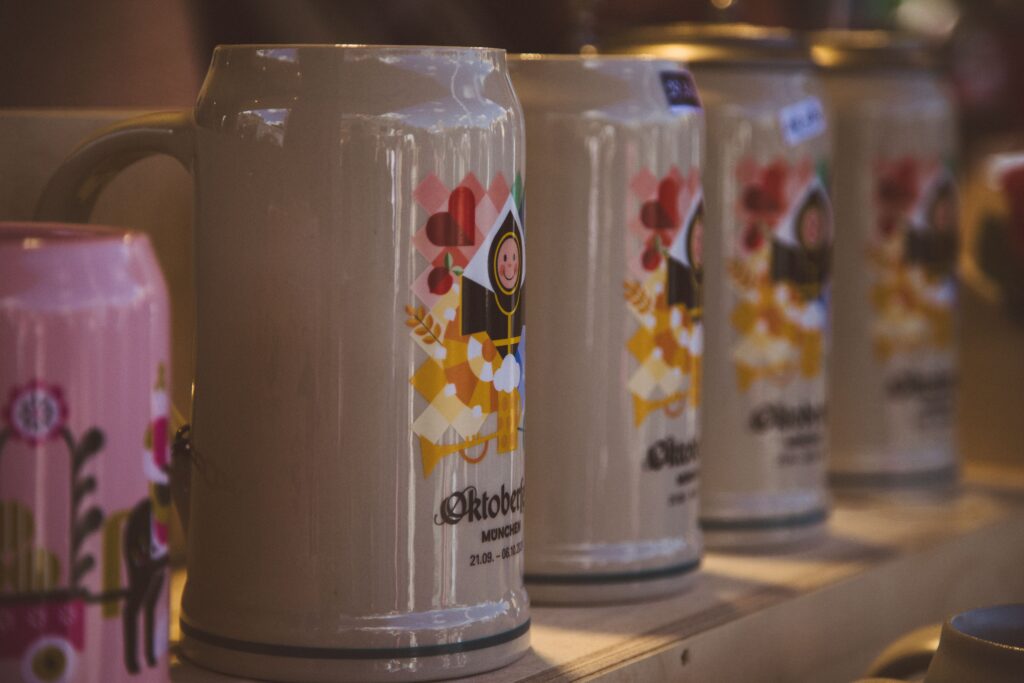
Photo by Bastian Riccardi on Pexels Look closely at an antique German beer stein and you may find a small

Jan Czeczotka via Wikimedia Commons (CC BY-SA 4.0) The first Oktoberfest was a wedding party. In October 1810, Crown Prince
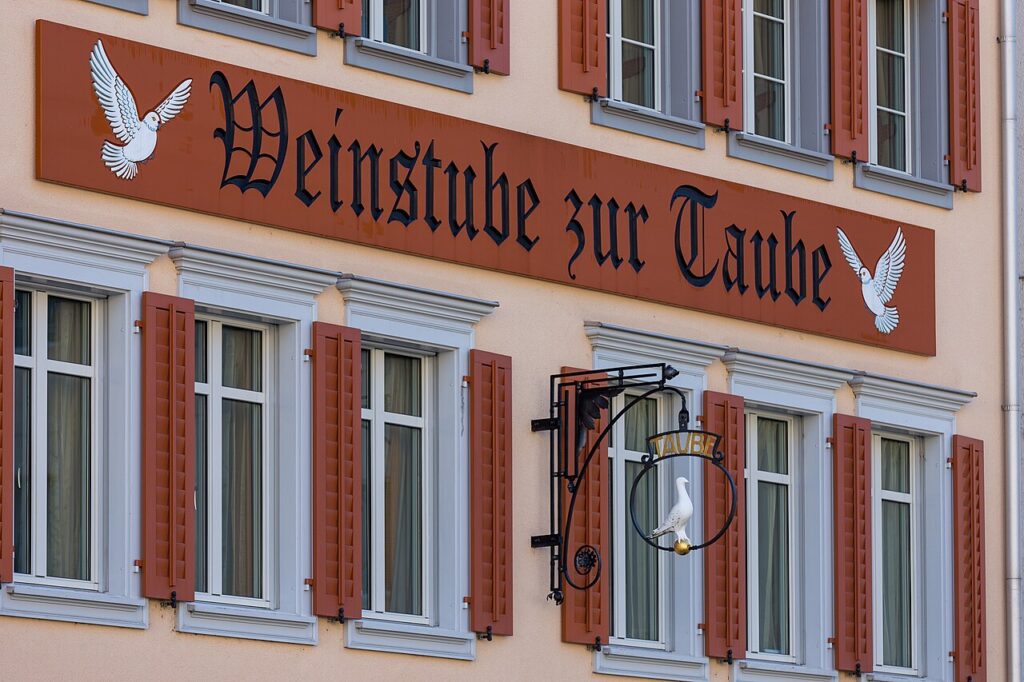
Beyond the tourist restaurants, Germany’s traditional Weinstuben offer authentic regional wines, simple food, and a seat at the locals’ table. Here’s how to find them and what to expect.
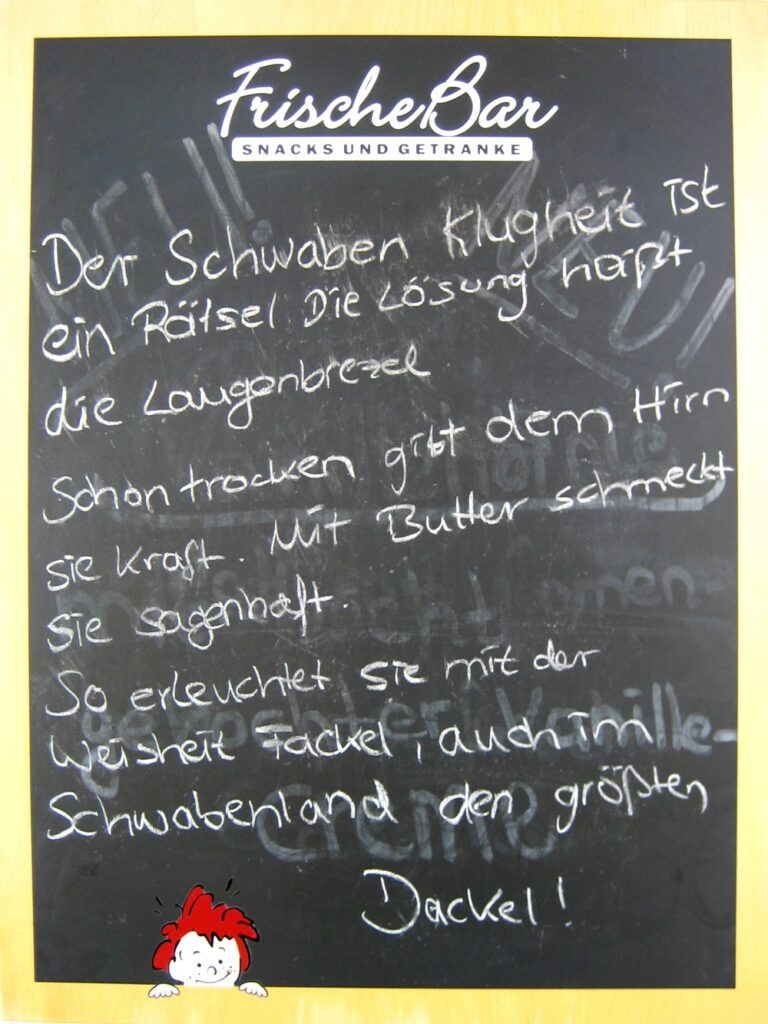
No machine-readable author provided. AlMare assumed (based on copyright claims). via Wikimedia Commons (Public domain) The distinctive knot of a
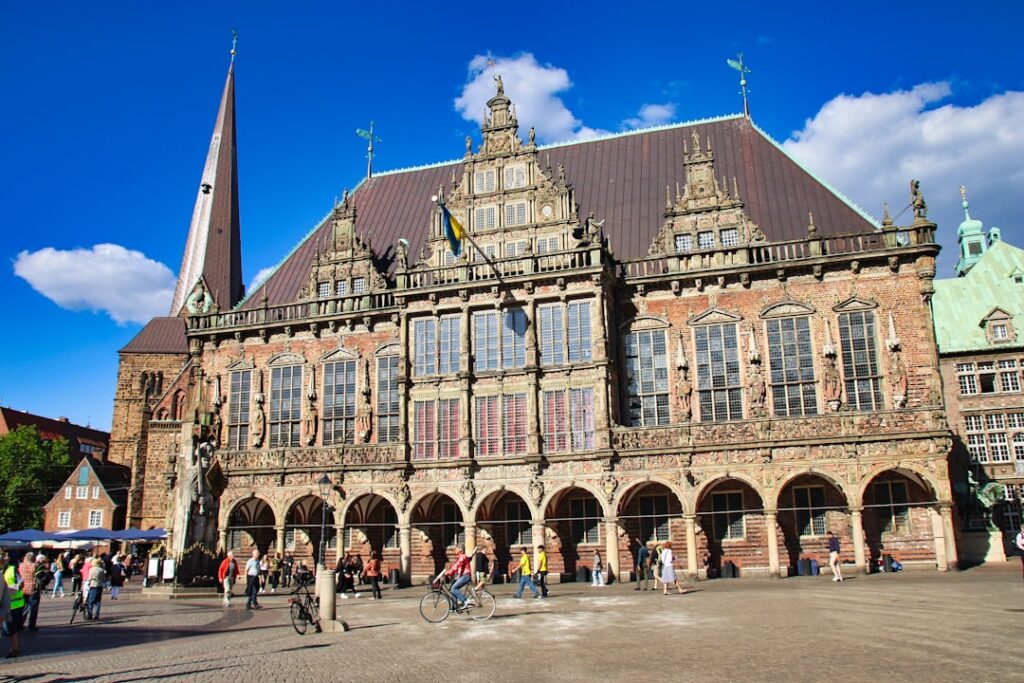
Aachen and Maastricht are neighboring cities approximately 30km apart in the Euregio Meuse-Rhine region with centuries of shared history, cross-border cooperation, daily commuter traffic, and cultural exchange.
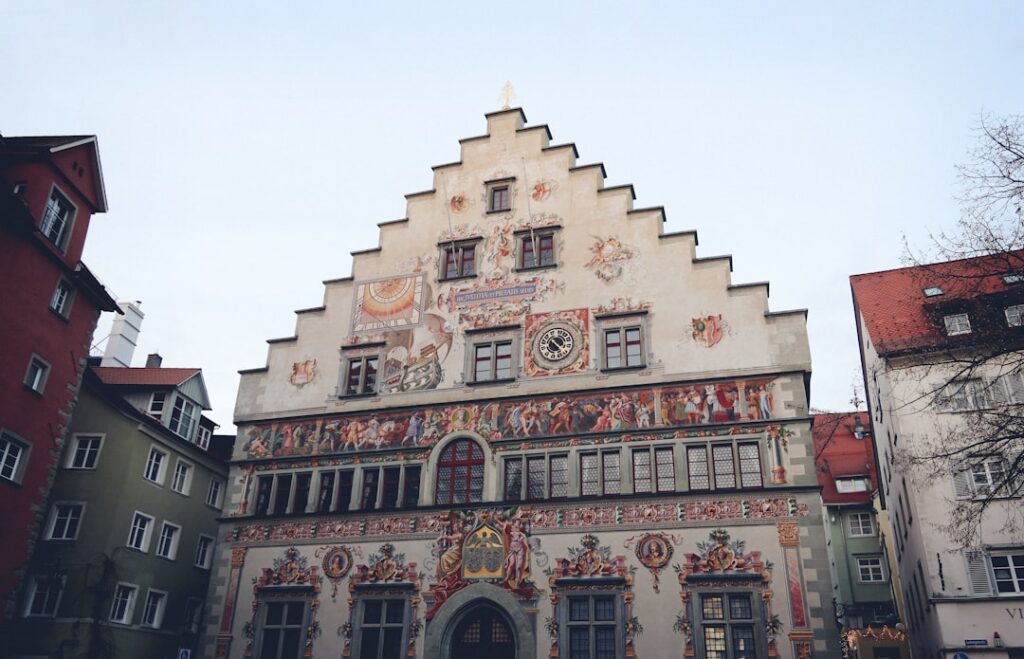
From Bremen to Leipzig, Germany’s centuries-old Ratskeller restaurants serve local specialties in vaulted cellars beneath historic town halls—where mayors once stored wine and citizens now raise a glass.
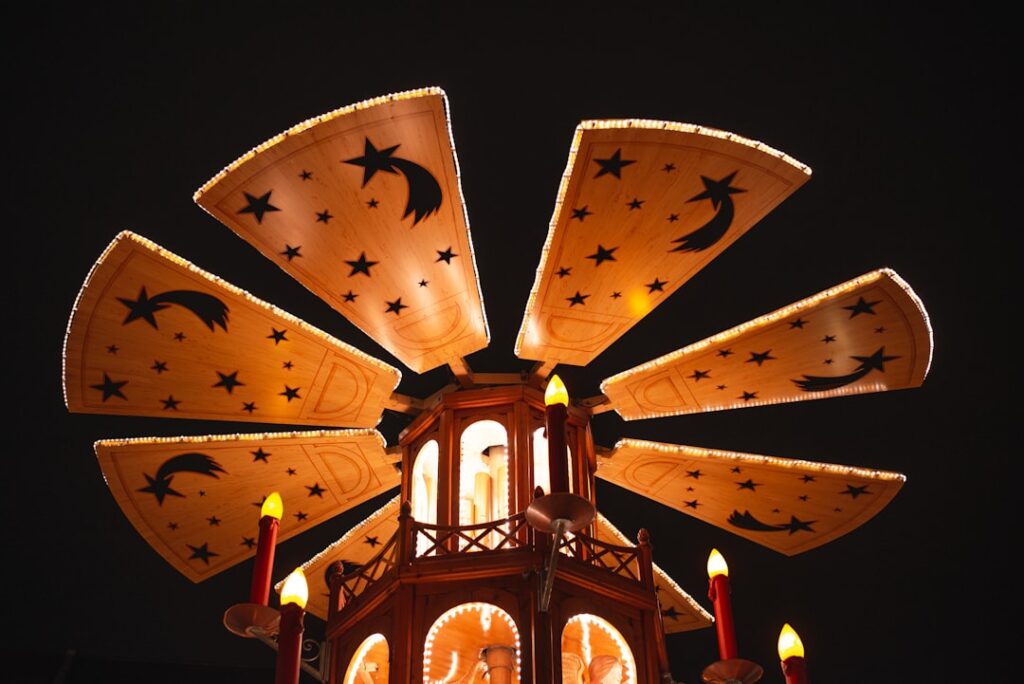
From Erzgebirge villages to Christmas markets nationwide, the Weihnachtspyramide brings centuries of woodcarving tradition to life each winter with its candle-powered carousel of nativity scenes and miners.
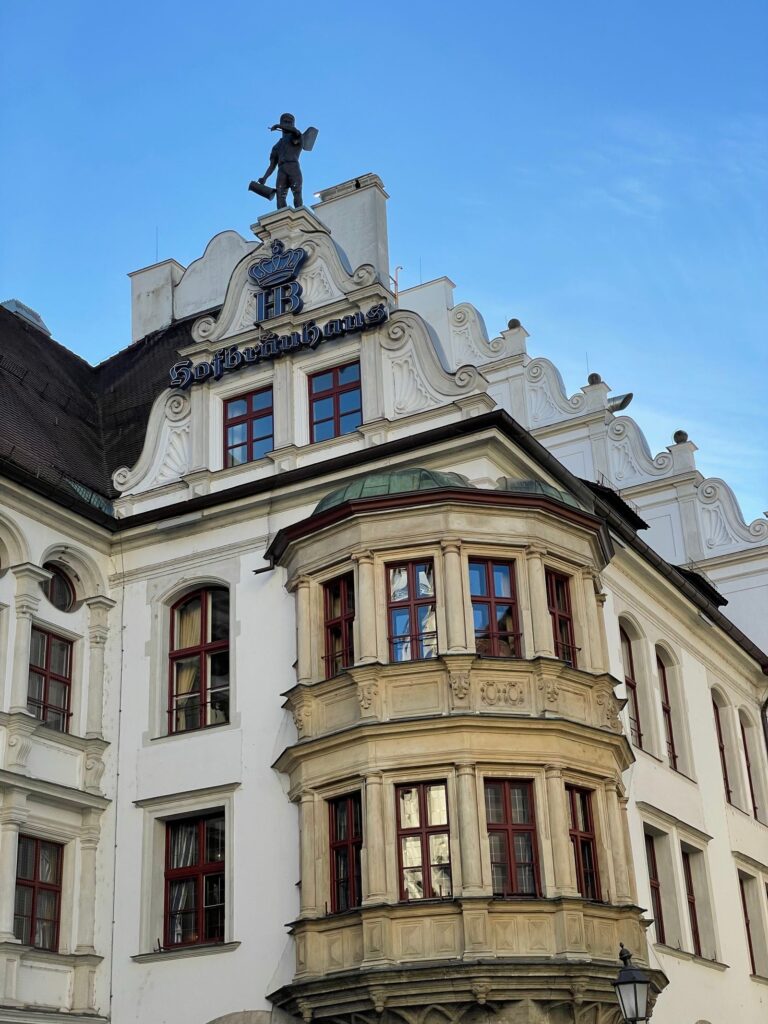
Beyond beer gardens, Germany’s grand beer halls tell centuries of civic pride, brewing tradition, and communal gathering. From Munich’s famous Hofbräuhaus to lesser-known treasures in Franconia and Bavaria, here’s what makes these vaulted spaces special.
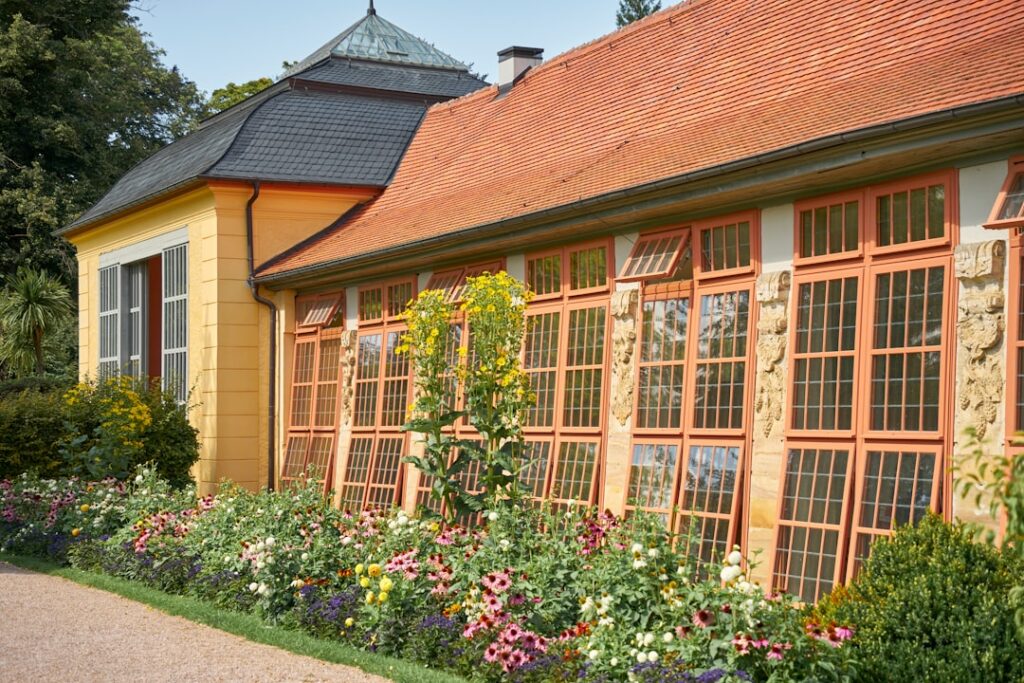
This small Thuringian city punches far above its weight, from Goethe’s garden house to the birth of modern design. Here’s why Weimar deserves a place on your Germany itinerary.