
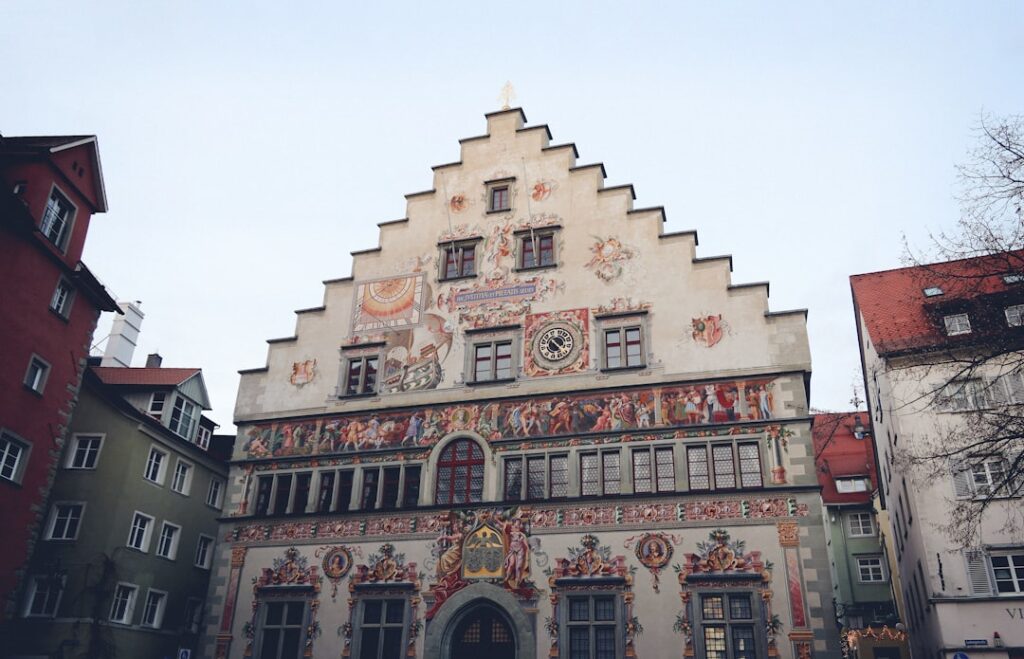
Beneath the cobblestone squares of Germany‘s historic cities lies a dining tradition that connects you directly to medieval civic life. The Ratskeller—literally “council cellar”—occupies the vaulted stone basement of the Rathaus, or town hall, where officials once stored wine barrels and now serve hearty regional fare to locals and travelers alike.
These aren’t museum pieces. Germany’s Ratskeller restaurants remain working establishments, some continuously serving food and drink for more than 600 years. They offer a chance to eat where generations have gathered, in spaces built to last centuries, with menus that honor regional culinary heritage.
The Origins of the Ratskeller
Medieval German towns built their Rathaus buildings as symbols of civic pride and independence. The cellars below served practical purposes: cool, dry storage for wine that paid municipal taxes, barrels held for trade, and provisions for the council. By the 15th and 16th centuries, many cities began leasing these spaces to innkeepers, creating public restaurants that became social hubs.
The architecture tells the story. Walk down worn stone steps into barrel-vaulted rooms supported by massive pillars. Original brick and stonework curve overhead. Many Ratskeller preserve painted ceiling beams, carved wooden paneling, and coats of arms dating back centuries. The spaces feel both grand and intimate—designed for celebration but built for durability.
Bremen’s Ratskeller, established in 1405, claims to be Germany’s oldest continuously operating wine cellar. Its vaults hold more than 650 German wines, with some bottles dating to the 1600s. The space beneath Bremen’s UNESCO-listed town hall seats diners among rows of wooden barrels and Gothic arches, serving regional classics like Bremer Knipp and Labskaus alongside that extraordinary wine collection.
Where to Experience the Ratskeller Tradition
Leipzig’s Auerbachs Keller achieved literary fame when Goethe set a scene from Faust in its historic rooms. Operating since 1438, this Ratskeller sprawls through multiple vaulted chambers beneath the Mädler Passage. You’ll find statues depicting Faust and Mephistopheles, commemorating the scene where the devil tempts students over wine. The menu emphasizes Saxon specialties—try the Leipziger Allerlei, a spring vegetable medley that originated in this region.
Hamburg’s Ratskeller, directly beneath the ornate neo-Renaissance Rathaus, serves North German and international dishes in rooms decorated with maritime themes and historical murals. The wine list focuses on German regions, with knowledgeable staff happy to guide selections. It’s particularly atmospheric in winter, when the vaulted ceilings and candlelight create a refuge from the Baltic wind.
Munich’s Ratskeller occupies the cellars of the New Town Hall on Marienplatz. Unlike many northern Ratskeller that emphasize wine, Munich’s version celebrates Bavarian beer culture alongside traditional dishes. The multiple dining rooms include the Ratstrinkstube, with painted columns and ceiling frescoes, and the more casual beer hall sections. Order Schweinshaxe or Tafelspitz and raise a Maß of local beer where Munich’s civic life has centered for generations.
Smaller cities maintain the tradition with equal authenticity. Münster’s Ratskeller, beneath a Gothic town hall that survived World War II bombing, serves Westphalian specialties in intimate brick-vaulted rooms. Lübeck’s version pairs Hanseatic dishes with the building’s striking Gothic architecture. Even towns like Quedlinburg and Goslar in the Harz maintain working Ratskeller where you can dine surrounded by half-timbered medieval charm above and stone vaults below.
What to Eat and Drink
Ratskeller menus reflect their regions. In wine country along the Rhine and Moselle, expect extensive German wine lists—Rieslings from the Rheingau, Spätburgunder from Baden, Silvaner from Franconia—paired with local dishes. Northern Ratskeller near the coast serve fish preparations, while Bavarian and Swabian establishments lean into roasts, dumplings, and game.
Many Ratskeller maintain “Stammessen”—traditional dishes that have appeared on the menu for decades or even centuries. These aren’t tourist gimmicks but recipes refined over generations. Bremen’s Kohl und Pinkel (kale with smoked sausage), Leipzig’s Gose beer paired with Harzer cheese, Hamburg’s Pannfisch—these are dishes that connect you to local foodways.
The wine cellars themselves often hold treasures. Bremen’s collection includes bottles that survived both world wars, carefully preserved in the constant cool temperatures. Staff at traditional Ratskeller take pride in their knowledge, offering recommendations based on the food you’ve ordered and your preferences. Don’t hesitate to ask—wine service here is about sharing tradition, not intimidation.
Visiting Tips
Reservations are wise, especially for dinner or weekend lunch in popular Ratskeller like Bremen’s or Leipzig’s Auerbachs Keller. Walk-ins can usually find space at lunch on weekdays, and many Ratskeller welcome you to simply have a glass of wine at the bar if dining rooms are full.
Lunch offers better value and smaller crowds. Many Ratskeller serve a “Tagesgericht” or daily special that showcases seasonal ingredients at reasonable prices. Dinner brings a more formal atmosphere but also allows time to linger over wine and dessert in these atmospheric spaces.
Dress is generally smart casual—you’ll see everything from business attire to neat tourist wear. The stone cellars stay cool year-round, so bring a light sweater even in summer. In winter, the temperature contrast makes these spaces especially welcoming after a day of walking cold city streets.
Don’t rush. The Ratskeller tradition is about slowing down, savoring regional food and wine in spaces built to last. Let the vaulted ceilings and centuries-old stonework work their quiet magic. You’re dining where merchants sealed deals, students debated ideas, and citizens celebrated victories—all the messy, vibrant life of German towns, preserved in basement cellars beneath the seat of civic power.
Want more stories about Germany’s living traditions, from historic cellars to mountain trails? Subscribe to the Love Germany newsletter—one short story a day, delivered to your inbox.
Tours & experiences in Germany


Powered by Viator. Some links are affiliate links — we may earn a small commission at no extra cost to you.