
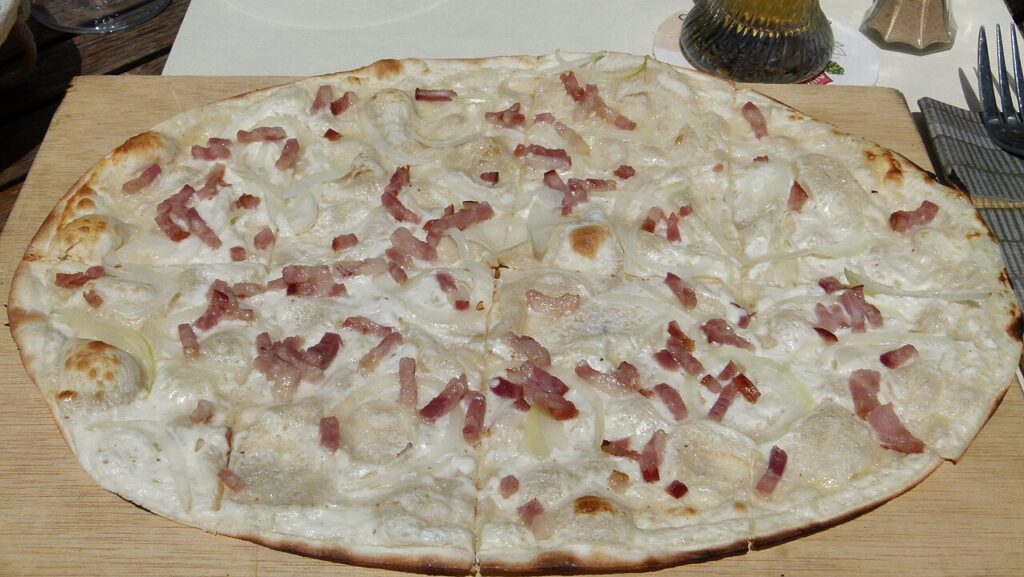
Flammkuchen: Alsace’s Flatbread with German Roots
Thin, crispy, and topped with crème fraîche, onions, and bacon, Flammkuchen is the beloved flatbread of Baden and the Palatinate—a simple dish that tells the story of the Franco-German borderlands.

Thin, crispy, and topped with crème fraîche, onions, and bacon, Flammkuchen is the beloved flatbread of Baden and the Palatinate—a simple dish that tells the story of the Franco-German borderlands.
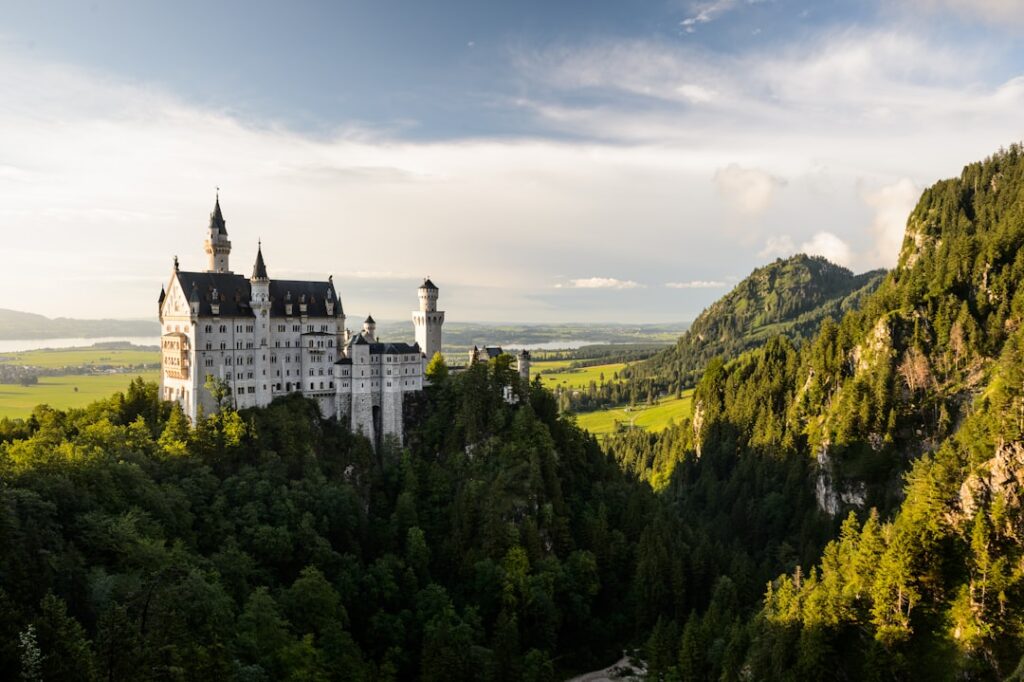
Tucked between Munich and the Austrian border, the Allgäu offers Alpine peaks, castle views, traditional cheesemakers, and some of Bavaria’s most authentic mountain towns.
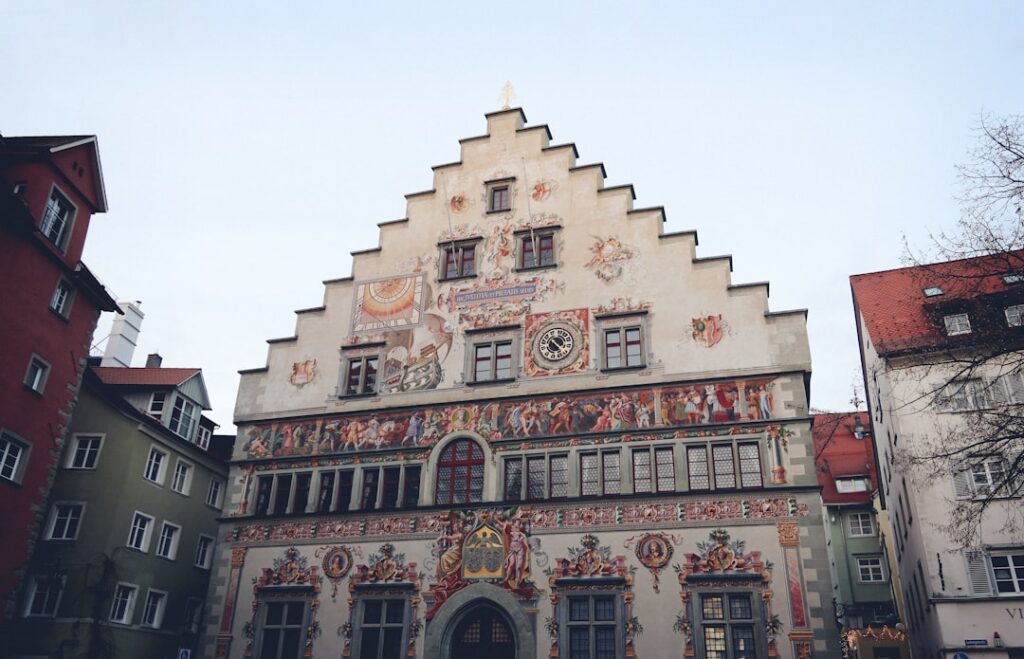
From Bremen to Leipzig, Germany’s centuries-old Ratskeller restaurants serve local specialties in vaulted cellars beneath historic town halls—where mayors once stored wine and citizens now raise a glass.
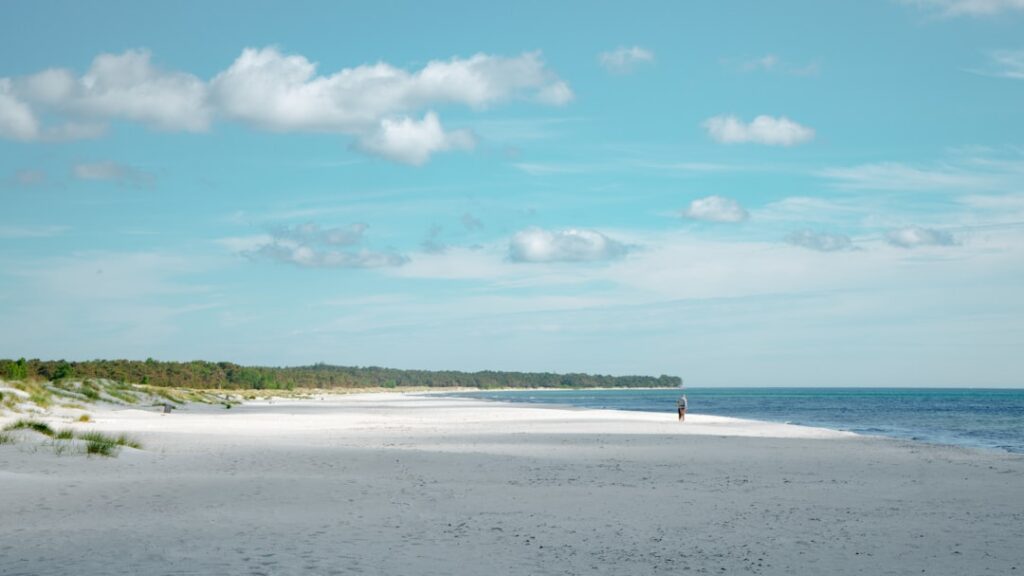
Germany’s largest island combines dramatic chalk cliffs, elegant seaside resorts, and miles of sandy beaches. From the iconic Königsstuhl to historic beach piers, Rügen offers a Baltic retreat unlike anywhere else.
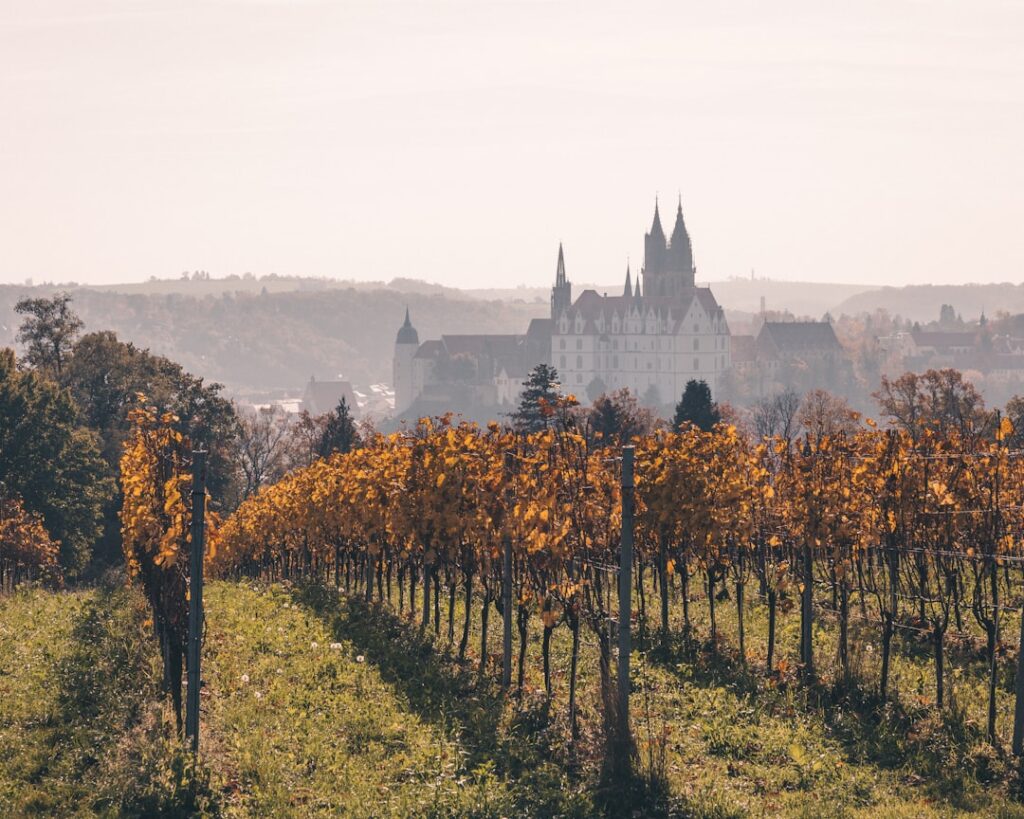
Just 25 kilometers from Dresden, Meissen combines world-famous porcelain, steep vineyard slopes, and a thousand-year-old cathedral perched above the Elbe.
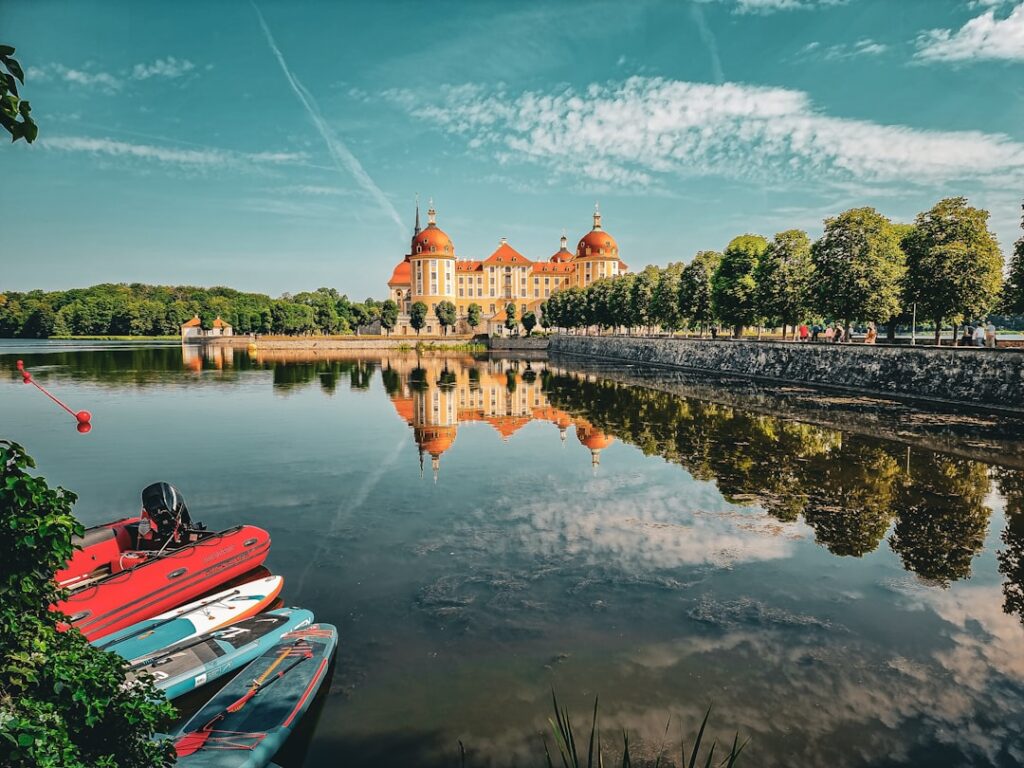
Rising from a man-made lake northwest of Dresden, Schloss Moritzburg is a baroque hunting lodge transformed into one of Saxony’s most photogenic palaces—and a famous filming location.
Discover Würzburg’s UNESCO-listed Residenz, hillside vineyards, and Franconian wine culture in one of Bavaria’s most elegant baroque cities.
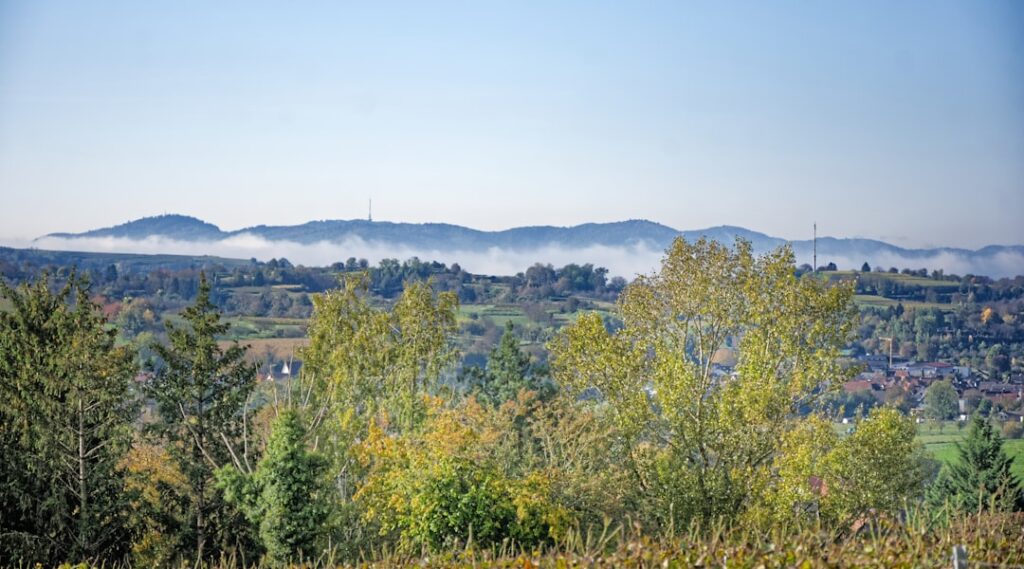
Freiburg combines medieval charm, innovative sustainability, and easy access to the Black Forest. Discover its cobbled streets, historic bächle, and vineyard-draped hills.
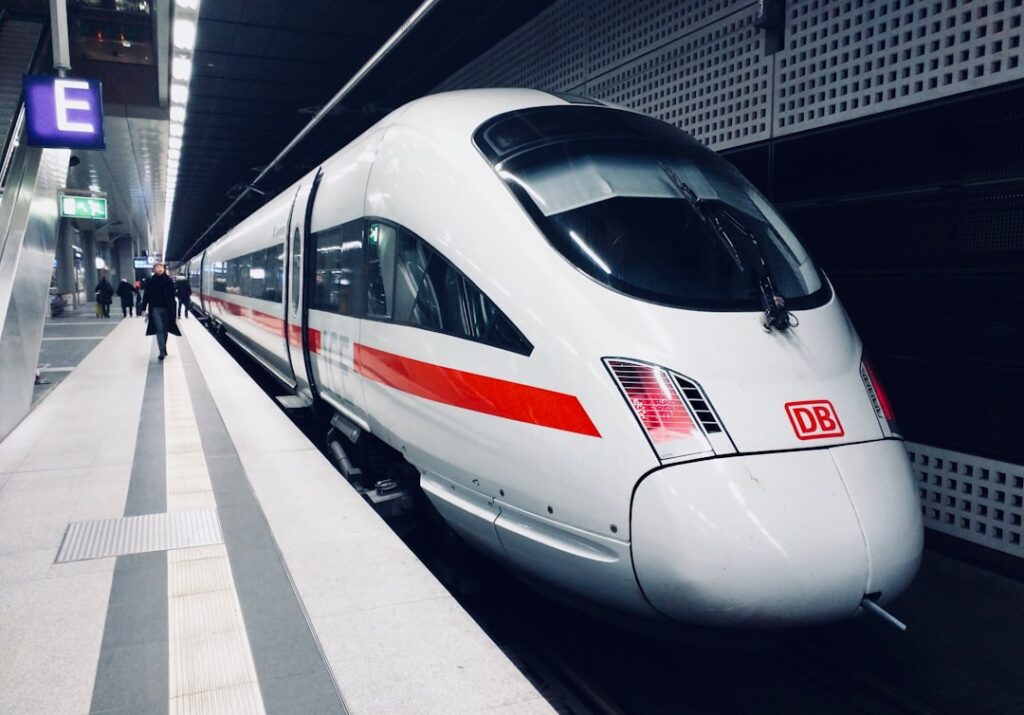
The BahnCard can save you serious money on German rail travel—if you choose the right one. Here’s how to decide which card fits your trip and when it pays for itself.
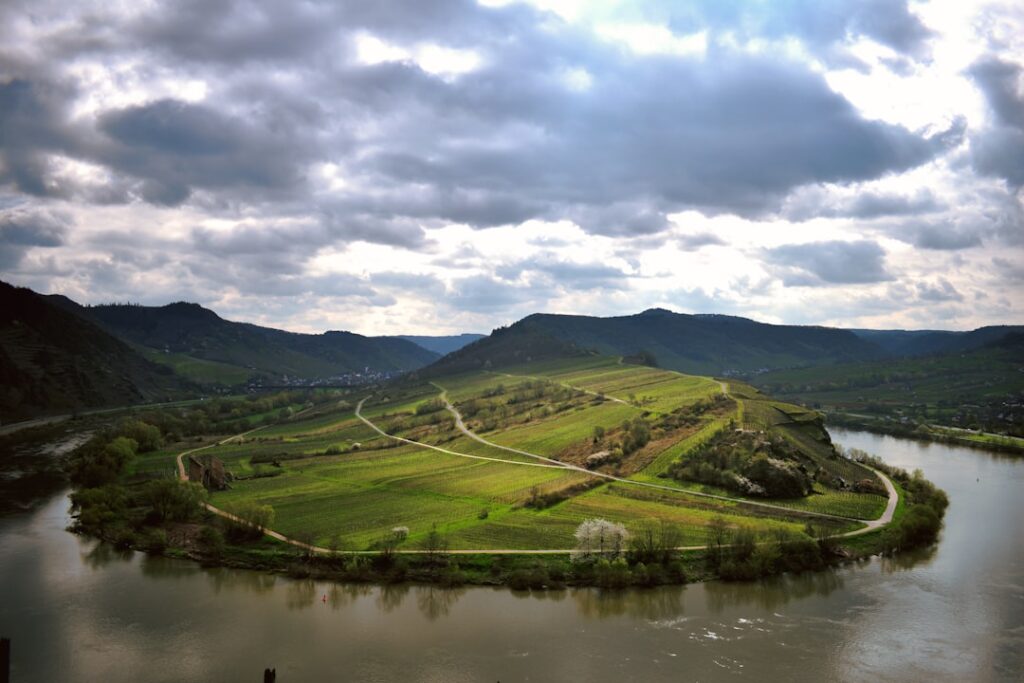
From Winzerfest celebrations to flaming hillsides, the Moselle Valley’s summer and autumn festivals bring centuries of wine culture to life along Germany’s most romantic river.