
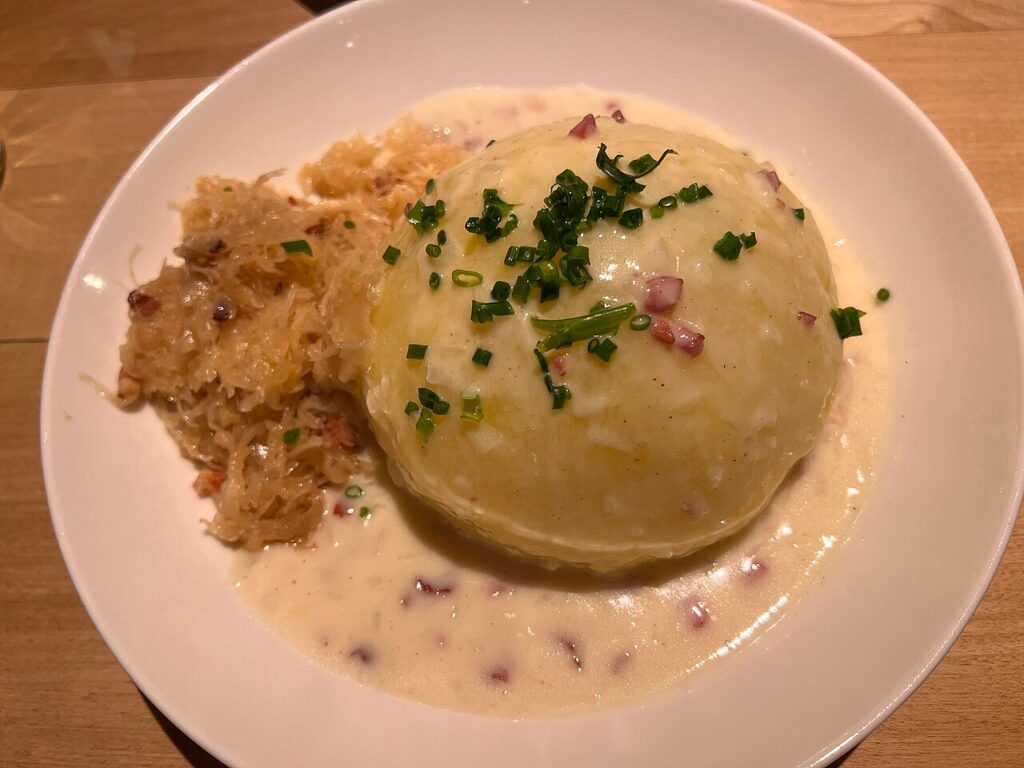
Bamberger Hörnla: The Croissant-Shaped Potato You’ve Never Tried
This crescent-shaped heirloom potato from Franconia is smaller, nuttier, and more flavorful than anything in your supermarket. Here’s where to find it and why it matters.

This crescent-shaped heirloom potato from Franconia is smaller, nuttier, and more flavorful than anything in your supermarket. Here’s where to find it and why it matters.
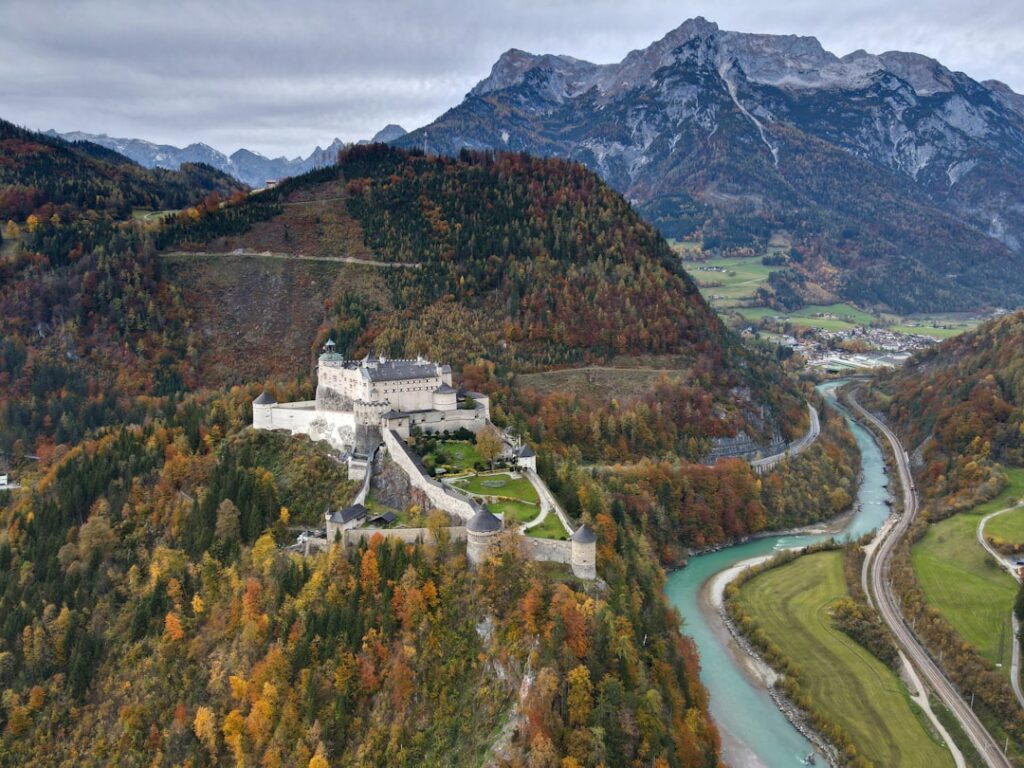
Perched 118 meters above the Rhine where it meets the Moselle, Festung Ehrenbreitstein is Europe’s second-largest preserved fortress and one of Koblenz’s most commanding landmarks.
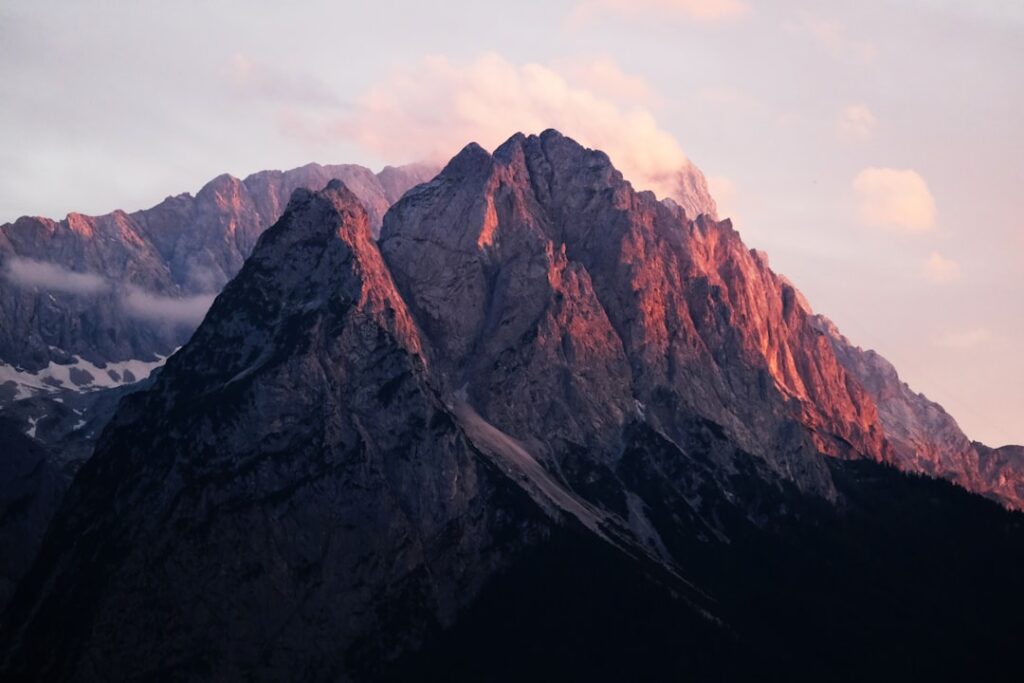
Standing at 2,962 meters, the Zugspitze offers year-round alpine adventure, three cable cars, and views across four countries. Here’s how to plan your visit to Germany’s highest mountain.
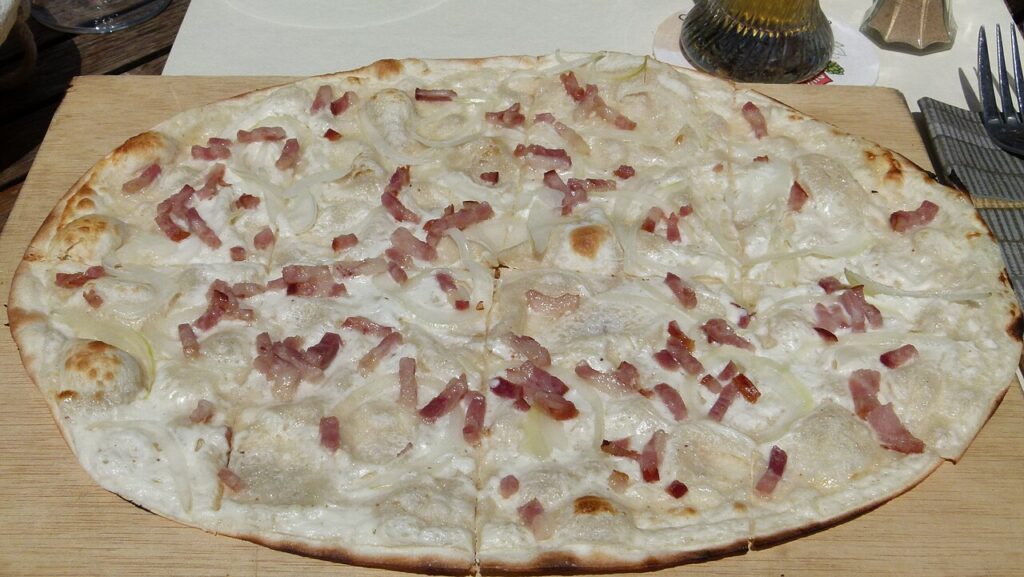
Thin, crispy, and topped with crème fraîche, onions, and bacon, Flammkuchen is the beloved flatbread of Baden and the Palatinate—a simple dish that tells the story of the Franco-German borderlands.
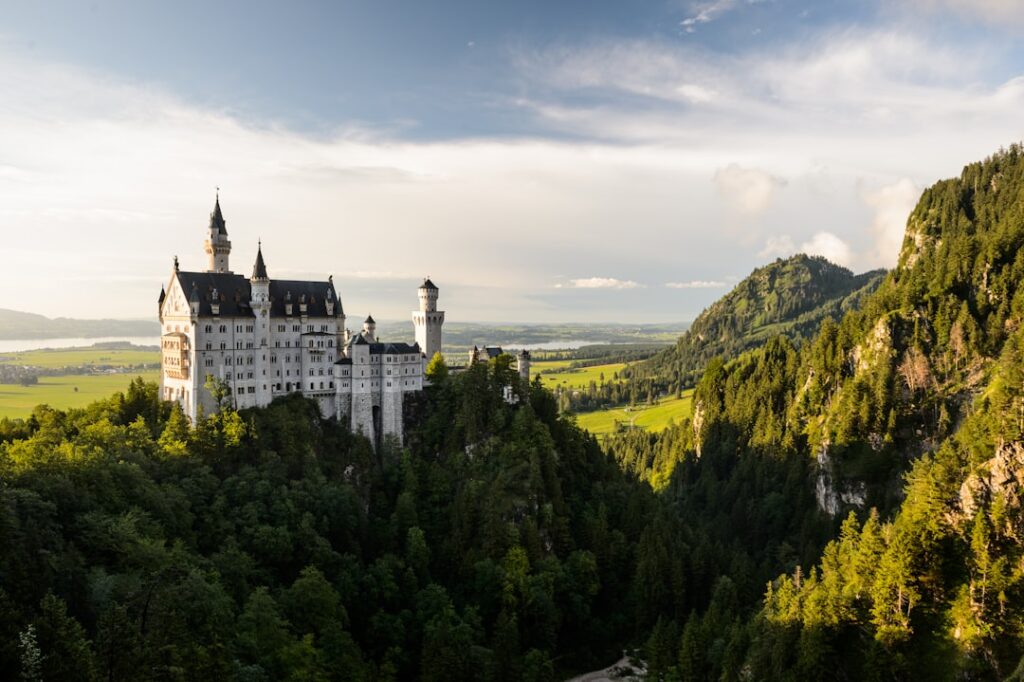
Tucked between Munich and the Austrian border, the Allgäu offers Alpine peaks, castle views, traditional cheesemakers, and some of Bavaria’s most authentic mountain towns.
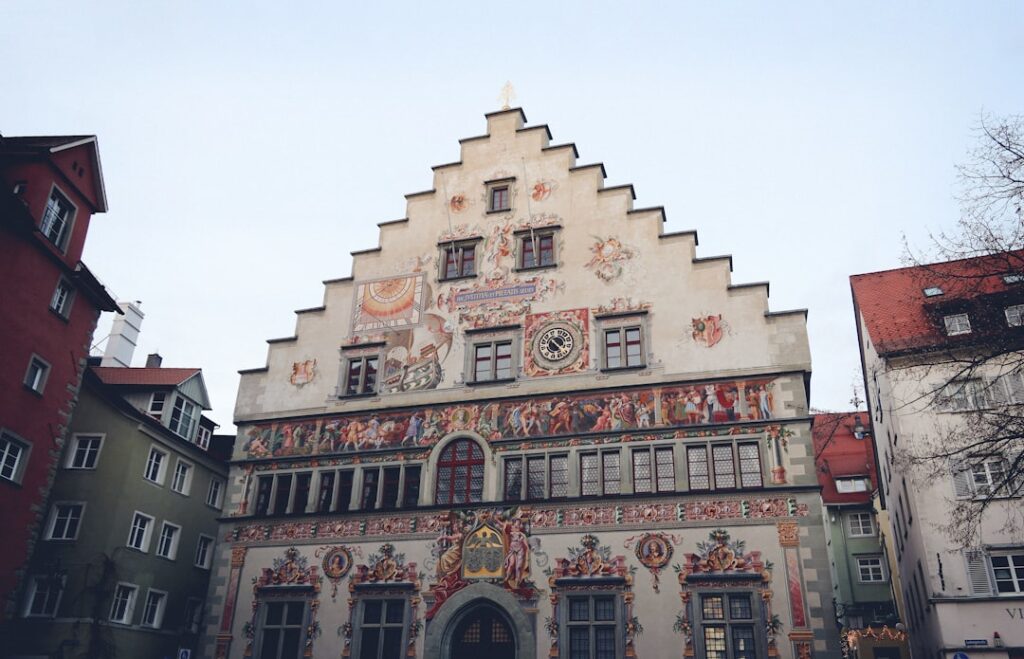
From Bremen to Leipzig, Germany’s centuries-old Ratskeller restaurants serve local specialties in vaulted cellars beneath historic town halls—where mayors once stored wine and citizens now raise a glass.
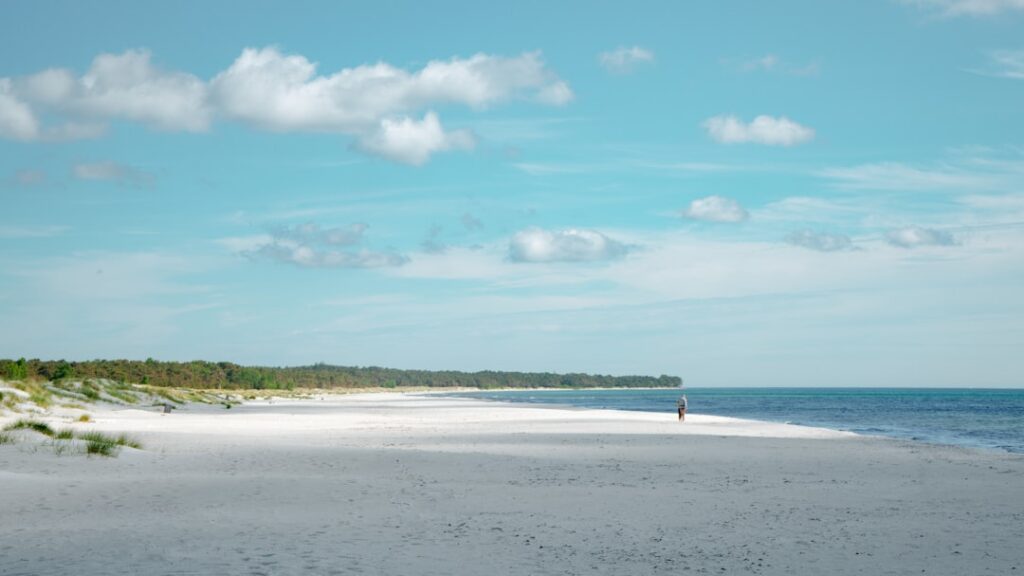
Germany’s largest island combines dramatic chalk cliffs, elegant seaside resorts, and miles of sandy beaches. From the iconic Königsstuhl to historic beach piers, Rügen offers a Baltic retreat unlike anywhere else.
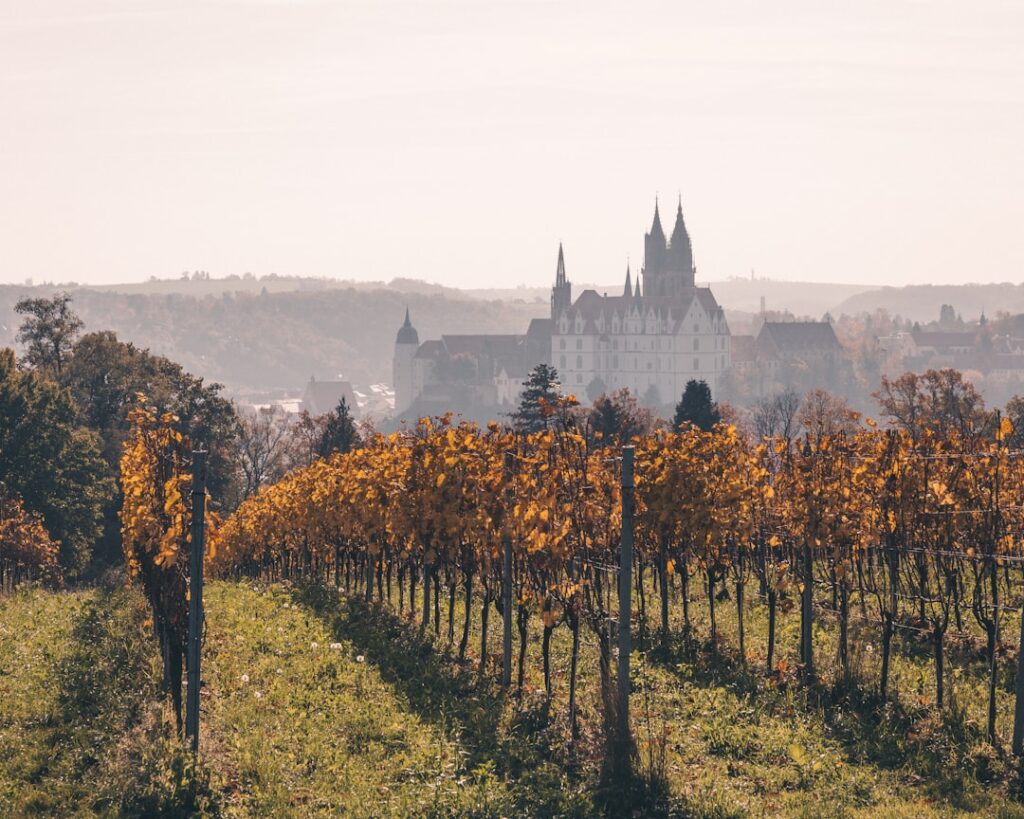
Just 25 kilometers from Dresden, Meissen combines world-famous porcelain, steep vineyard slopes, and a thousand-year-old cathedral perched above the Elbe.
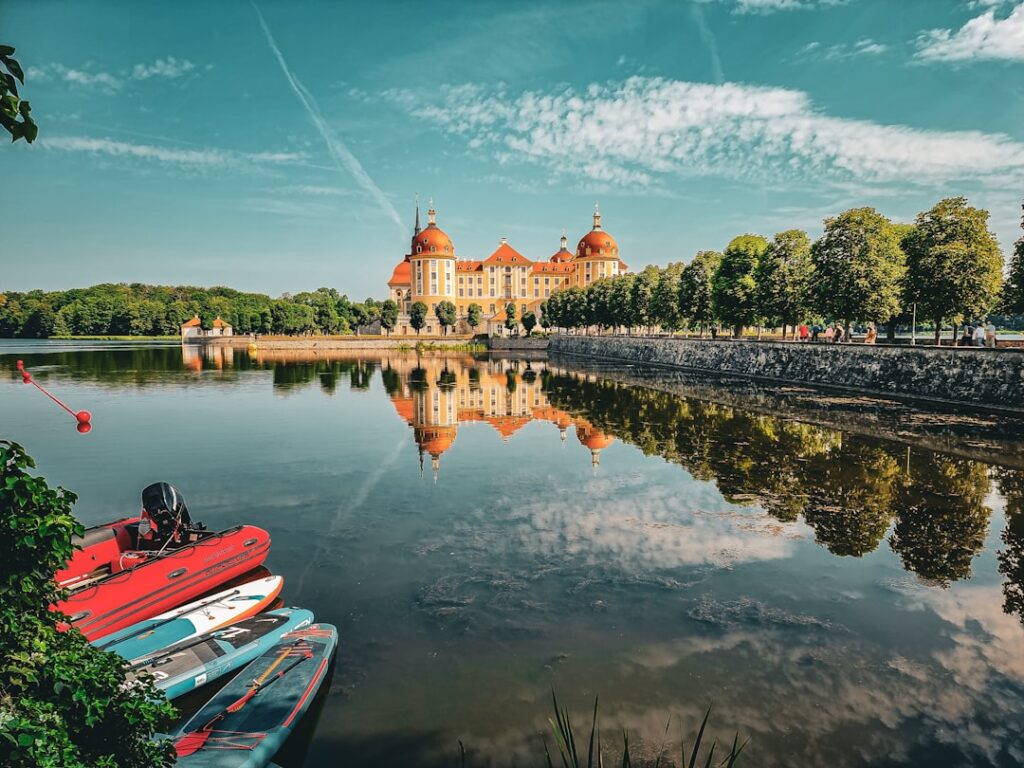
Rising from a man-made lake northwest of Dresden, Schloss Moritzburg is a baroque hunting lodge transformed into one of Saxony’s most photogenic palaces—and a famous filming location.
Discover Würzburg’s UNESCO-listed Residenz, hillside vineyards, and Franconian wine culture in one of Bavaria’s most elegant baroque cities.