The Black Forest—or Schwarzwald in German—is one of Germany’s most evocative destinations, a land where fairy tales seem to spring from every shadowed grove and misty valley. Stretching across nearly 6,000 square miles in southwestern Germany’s Baden-Württemberg region, this densely forested mountain range has inspired countless legends, from the Brothers Grimm to modern fantasy. But beyond the storybook atmosphere, the Black Forest offers visitors a rich tapestry of outdoor adventures, cultural traditions, and culinary delights that make it a must-visit destination for anyone exploring Germany.
What Makes the Black Forest Special
The region takes its name from the thick canopy of evergreens—primarily towering spruces and firs—that create a dark, almost mysterious appearance from a distance. This dramatic landscape encompasses everything from gentle rolling hills in the north to rugged peaks reaching over 4,900 feet in the south, where Feldberg, the Black Forest’s highest mountain, dominates the skyline.
The Black Forest is synonymous with traditional German craftsmanship, particularly the intricate cuckoo clocks that have been handmade here for over 250 years. The region is also the birthplace of the legendary Schwarzwälder Kirschtorte (Black Forest cake), a decadent layered chocolate cake with cherries, cream, and kirschwasser cherry brandy. Beyond these iconic exports, the Black Forest maintains vibrant traditions including traditional farmhouses with their distinctive sweeping roofs, folk costumes with the famous Bollenhut (pompom hat), and centuries-old glassblowing techniques.
What to See and Do
The Black Forest rewards both active adventurers and cultural explorers. Outdoor enthusiasts will find over 14,000 miles of marked hiking trails, including the legendary Westweg, a 177-mile north-to-south route that traverses the entire forest. The region is equally spectacular for cycling, with well-maintained routes ranging from gentle valley paths to challenging mountain climbs.
Triberg is home to Germany’s highest waterfalls, where water cascades 535 feet over seven main stages. The town is also the cuckoo clock capital, with shops displaying everything from simple timepieces to elaborate musical automata. Visit the House of 1000 Clocks or the Black Forest Museum to understand the craft’s history.
Freiburg, the region’s unofficial capital, offers a perfect blend of urban culture and forest access. Its beautiful medieval old town features the stunning Freiburg Minster, charming Bächle (water channels) running through the streets, and a vibrant student atmosphere. The town serves as an excellent base for exploring the southern Black Forest.
The scenic Schwarzwald-Hochstrasse (Black Forest High Road) is a 37-mile panoramic route connecting Baden-Baden to Freudenstadt, offering spectacular views and access to numerous hiking trails. Meanwhile, Lake Titisee and Lake Schluchsee provide opportunities for swimming, boating, and lakeside relaxation in stunning natural settings.
Don’t miss the open-air Vogtsbauernhof Black Forest Museum in Gutach, where six authentic farmhouses from different periods showcase traditional rural life, complete with demonstrations of historic crafts and farming techniques.
Getting There and Getting Around
The Black Forest is easily accessible from major German cities. Stuttgart Airport lies about 60 miles northeast, while Basel-Mulhouse-Freiburg Airport in France/Switzerland offers closer access to the southern region. Frankfurt Airport, Germany’s largest, is approximately two hours north by car.
The region is well-connected by rail, with major stations in Freiburg, Baden-Baden, and Offenburg. The scenic Höllentalbahn (Hell Valley Railway) from Freiburg to Donaueschingen is particularly spectacular. However, to truly explore the Black Forest’s hidden corners, renting a car is highly recommended. The winding mountain roads are well-maintained and offer breathtaking views around every bend.
The KONUS guest card, provided free by many hotels and guesthouses in the region, offers unlimited use of public transportation throughout the Black Forest, making it easier to explore without a car while supporting sustainable tourism.
Best Time to Visit and Insider Tips
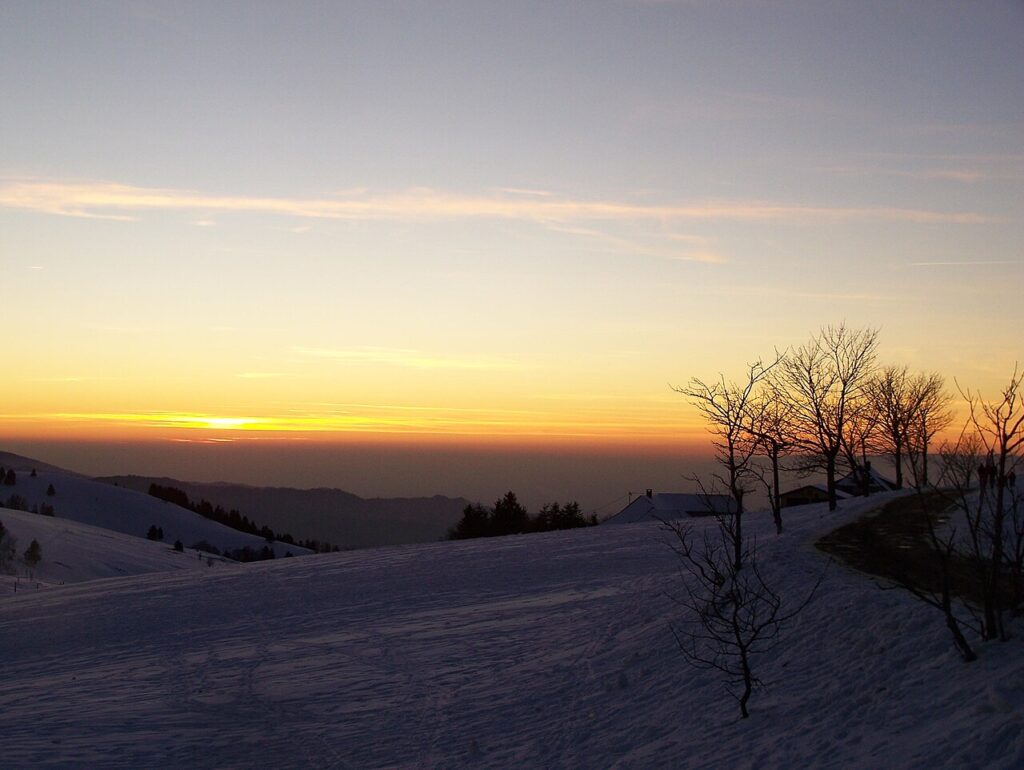
Spring and summer (May through September) offer the best hiking weather, with wildflowers blooming and all trails accessible. July and August are warmest but also busiest. Autumn (September and October) paints the forest in spectacular colors and brings the grape harvest in the surrounding wine regions. Winter transforms the Black Forest into a snowy wonderland, with excellent cross-country skiing and charming Christmas markets—Freiburg’s Christkindlmarkt is particularly magical.
For an authentic culinary experience, seek out a traditional Schwarzwaldstube or Landgasthof to try local specialties beyond Black Forest cake: Schwarzwälder Schinken (smoked ham), Maultaschen (Swabian pasta pockets), and Flammkuchen (Alsatian-style flatbread). Pair your meal with local wines from the Baden wine region or sample Kirschwasser, the cherry schnapps that gives Black Forest cake its distinctive flavor.
For a unique overnight experience, stay in a traditional Schwarzwaldhaus farmhouse or book a room at a Berghotel (mountain hotel) for stunning sunrise views over the forest canopy. Many family-run guesthouses offer half-board arrangements featuring home-cooked regional cuisine.
Finally, visit during the week if possible to avoid weekend crowds, especially at popular spots like Triberg Falls. The forest’s magic is best experienced in quiet moments when mist rises through the trees and you might just believe those fairy tales were true after all.