Nuremberg’s Altstadt (Old Town) is one of Germany’s most impressive medieval city centers, a remarkable achievement considering much of it was rebuilt after devastating World War II bombing. This Franconian gem seamlessly blends nearly 1,000 years of history, from Holy Roman Empire grandeur to sobering 20th-century lessons, making it an essential destination for anyone seeking to understand Germany’s complex past and vibrant present.
Perched above the Pegnitz River in northern Bavaria, Nuremberg was once the unofficial capital of the Holy Roman Empire. Today, its red-roofed skyline, dominated by the Kaiserburg fortress and Gothic church spires, transports visitors back to the city’s medieval golden age while offering world-class museums, traditional Franconian cuisine, and—during December—Germany’s most famous Christmas market.
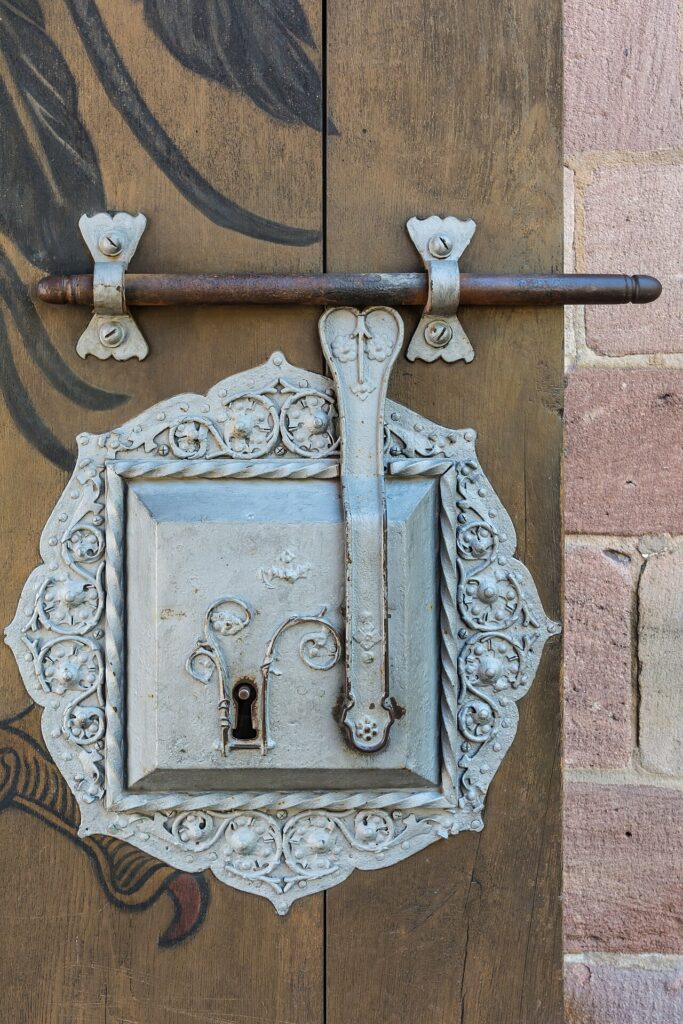
The Imperial Castle and Medieval Quarter
The Kaiserburg (Imperial Castle) crowns Nuremberg’s Old Town from its sandstone hilltop, having hosted Holy Roman Emperors for nearly 500 years. The castle complex includes the Sinwell Tower, which offers panoramic views across the entire city, the Romanesque Double Chapel with its stunning two-story design, and the Deep Well—an engineering marvel plunging 164 feet into solid rock. Guided tours reveal the castle’s role in imperial politics and include the Imperial and Municipal Apartments, where you can see period furnishings and learn about life at the medieval court.
Below the castle, wander the charming lanes of the medieval quarter, where half-timbered houses lean over cobblestone streets. Don’t miss the Albrecht Dürer House, home to Germany’s most famous Renaissance artist for nearly 20 years. The museum offers costumed tours where an actress portraying Dürer’s wife Agnes guides you through the artist’s life and work, including demonstrations of historical printing techniques.
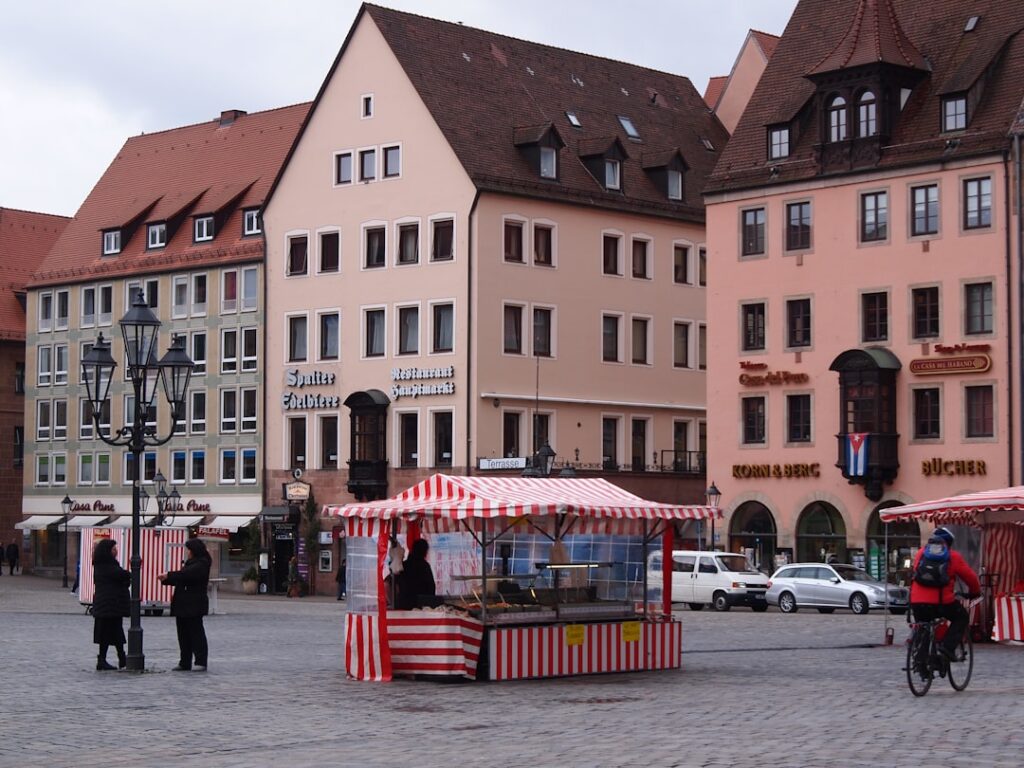
The Hauptmarkt (Main Market Square) is the heart of the Old Town, featuring the ornate Gothic Schöner Brunnen (Beautiful Fountain) with its 40 colorful figures representing the worldview of the Holy Roman Empire. Legend says turning the golden ring on the fountain’s grill three times brings good luck. The square is also home to the Frauenkirche (Church of Our Lady), where at noon daily, the mechanical Männleinlaufen clock performs a charming show commemorating the Golden Bull of 1356.
Confronting History: Documentation Center and Rally Grounds
Nuremberg’s history extends beyond its medieval glory. The city’s name became synonymous with Nazi propaganda when Hitler chose it for massive party rallies. Today, the Documentation Center Nazi Party Rally Grounds occupies the north wing of the never-completed Congress Hall. This outstanding museum unflinchingly examines the causes and consequences of Nazi tyranny, the role of Nuremberg’s rallies in propaganda, and the post-war trials that established international criminal law.
The vast former rally grounds remain as sobering reminders, with the Great Road and Zeppelin Field still visible. A walk through this area provides important historical context that enriches understanding of Germany’s journey toward reconciliation and democracy.
Practical Information and Insider Tips
Nuremberg is easily accessible by train, just one hour from Munich and two hours from Frankfurt. The Old Town is compact and walkable, with the central train station located just outside the medieval city walls. The Nuremberg Card offers free public transportation and discounts at museums and attractions—excellent value if you’re visiting multiple sites.
Best time to visit: May through September offers pleasant weather for exploring on foot, while December transforms the city into a winter wonderland when the world-famous Christkindlesmarkt fills the Hauptmarkt with over two million visitors. If you prefer smaller crowds, visit in spring (April-May) or early fall (September-October) when the weather is still mild but tourist numbers are lower.
Don’t leave without trying Nürnberger Rostbratwurst, the city’s famous small grilled sausages traditionally served six in a roll or with sauerkraut. Zum Gulden Stern, operating since 1419, claims to be the world’s oldest bratwurst kitchen. For dessert, sample Nuremberg’s signature Lebkuchen (gingerbread), available year-round at traditional bakeries like Lebkuchen-Schmidt.
Insider tip: Purchase your Imperial Castle ticket early in the day during high season, as timed entries can sell out. For a unique perspective, take the free guided tour with the city’s official volunteer guides—passionate locals who share stories and details you won’t find in guidebooks. Book through the tourist office at least a day in advance.
Consider spending at least two full days in Nuremberg to properly explore both the medieval splendor and the important historical sites. The combination of accessible history, outstanding museums, delicious regional cuisine, and beautifully reconstructed architecture makes Nuremberg’s Old Town one of Germany’s most rewarding destinations.