
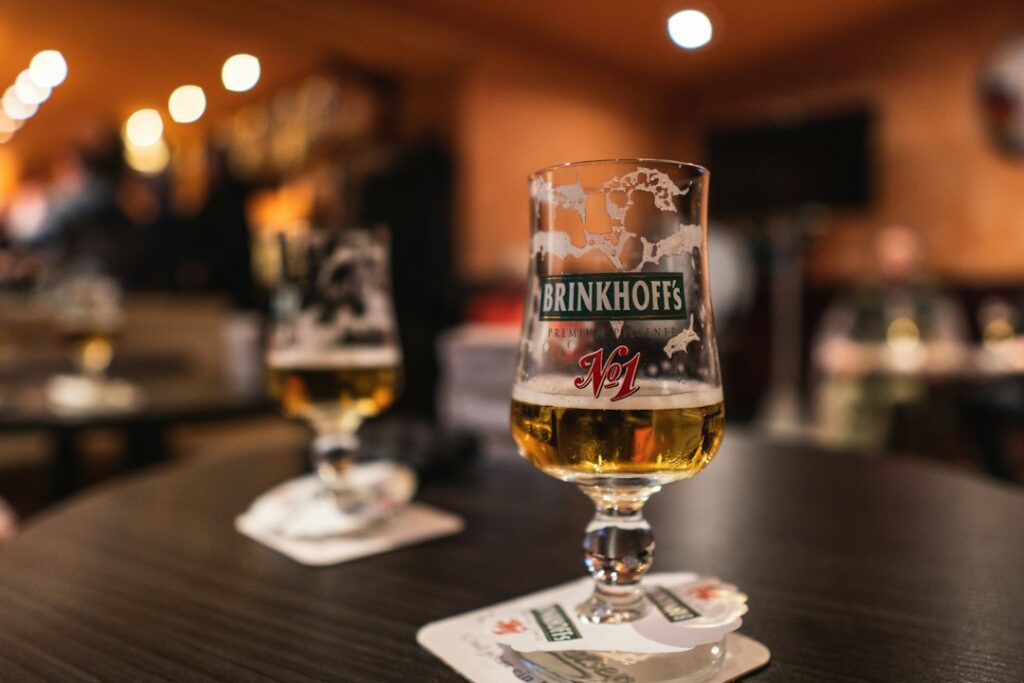
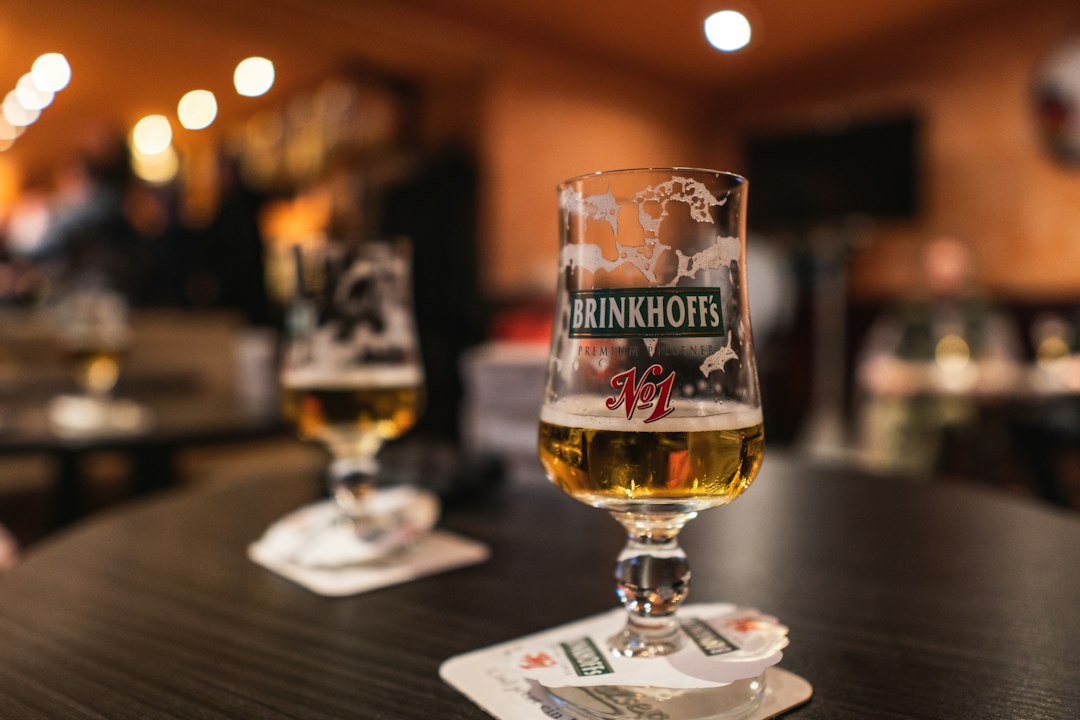
The German beer purity law is often called the world’s oldest food regulation still influencing production today, and its most famous version dates to 1516, when the Duchy of Bavaria decreed that beer could contain only three ingredients: water, barley, and hops. Yeast is missing from that list for a simple reason — Bavarians in 1516 had no idea it existed; its role in fermentation was only understood centuries later. This is Guide № 004 in The Love Germany Guide series.
Get the Full Collectible Guide (Free PDF)
German Beer & the Purity Law (Reinheitsgebot) — in a beautifully designed, printable booklet. The Love Germany Guide № 004.
What the Reinheitsgebot Actually Says
The 1516 Bavarian decree, issued by Duke Wilhelm IV in Ingolstadt, is the text most people mean when they say “Reinheitsgebot,” though the word itself only came into common use in the 19th century. It permitted just water, barley, and hops — grain such as wheat and rye was reserved for bakers, partly to keep bread affordable and prevent competition for scarce cereals. The law also fixed maximum beer prices, so it was as much an economic and public-order measure as a recipe.
Yeast was added to the understanding much later. Once Louis Pasteur and others clarified how fermentation worked in the 1800s, yeast was formally recognised as the fourth permitted ingredient. Modern German brewers therefore work to a four-ingredient standard: water, malted barley, hops, and yeast.
A Law With Many Versions
There was no single, unbroken “1516 law.” Earlier purity rules existed in German towns — Augsburg had one in 1156 and Munich regulated beer in 1487 — and the 1516 decree unified Bavarian practice rather than inventing the idea. When Bavaria joined the German Empire in 1871, it made adoption of its purity standard a condition of entry, which is how a regional Bavarian rule spread across the country.
Today the 1516 text has no direct legal force. German beer is governed by the modern Vorläufiges Biergesetz (Provisional Beer Law) and EU regulations. The current rules are also more flexible than many assume: top-fermented beers such as wheat beer may legally use other malts and some additional ingredients, which is why German Weissbier — made largely from wheat — is perfectly legal despite the famous barley-only origins.
Why It Still Matters to Brewers
For many German breweries the purity law is now a marketing and heritage promise as much as a legal one. Labels frequently state that a beer is brewed nach dem Reinheitsgebot (“according to the purity law”), signalling a commitment to the traditional short ingredient list. It remains a genuine point of pride, and surveys have repeatedly shown that German consumers rate it as an important quality marker.
It has also been a source of friction. In 1987 the European Court of Justice ruled that Germany could not use the purity law to block imported beers made with other ingredients, opening the German market to foreign brews. German-brewed beer sold domestically, however, still largely adheres to the standard by choice and custom.
The Craft-Beer Tension
The purity law’s narrow ingredient list sits awkwardly with the modern craft movement, which prizes fruit, spices, coffee, and experimental additions. Some German craft brewers have chosen to brew outside the traditional framework — their products are then legally sold as beer-based mixed drinks or under broader categories rather than as classic “beer” in the strictest sense. Others treat the constraint as a creative challenge, coaxing enormous variety from just four ingredients by varying malt kilning, hop varieties, water chemistry, and yeast strains.
Tasting It for Yourself
If you want to taste the tradition in practice, Bavaria and Franconia are the obvious regions — Franconia around Bamberg has one of the highest densities of breweries anywhere in the world, and its smoked Rauchbier shows how much character four ingredients can carry. Look for the phrase Gebraut nach dem Reinheitsgebot on the label, and remember that a Bavarian wheat beer, a Cologne Kölsch, and a Düsseldorf Altbier are all shaped by the same short list handled in very different ways.
Myths Worth Retiring
Myth: The Reinheitsgebot has been in force unchanged since 1516. The original text has been superseded several times and holds no direct legal power today; current brewing is governed by the modern Provisional Beer Law and EU rules.
Myth: It has always listed water, barley, hops, and yeast. The 1516 decree named only water, barley, and hops. Yeast was added once its role in fermentation was scientifically understood, generations later.
Myth: German wheat beer breaks the purity law. Wheat beer is fully legal under German law, which permits other malts for top-fermented beers — so Weissbier and the purity tradition coexist without conflict.
Frequently Asked Questions
Is the Reinheitsgebot still legally required in Germany?
Not in its 1516 form. German beer is regulated by the modern Provisional Beer Law and EU legislation. Many breweries still follow the traditional ingredient list voluntarily and advertise the fact, but it is now largely a matter of choice and heritage rather than a single binding 1516 statute.
Why wasn’t yeast in the original law?
Because in 1516 no one understood that microscopic yeast drove fermentation. Brewers relied on wild yeasts or by reusing sediment from previous batches without knowing why it worked. Yeast was only recognised as a distinct ingredient after fermentation science advanced in the 19th century.
Does the purity law mean German beer has no variety?
Quite the opposite. Working within a short ingredient list, brewers create wide differences through malt roasting, hop selection, water composition, and yeast strains — producing everything from pale Helles and smoky Rauchbier to wheat beers, Kölsch, and dark bocks.
More The Love Germany Guides
The Love Germany Guide is a numbered series — one tightly focused subject at a time, each with its own downloadable collectible edition. Guide № 001 is The Pretzel (Brezel), Guide № 002 is Oktoberfest, Guide № 003 is The Beer Stein, This is Guide № 004. More editions are on the way.
🇩🇪 Join Love Germany
Every week, get hidden stories, local secrets, and travel inspiration from people who live and love it.
Tours & experiences in Germany


Powered by Viator. Some links are affiliate links — we may earn a small commission at no extra cost to you.