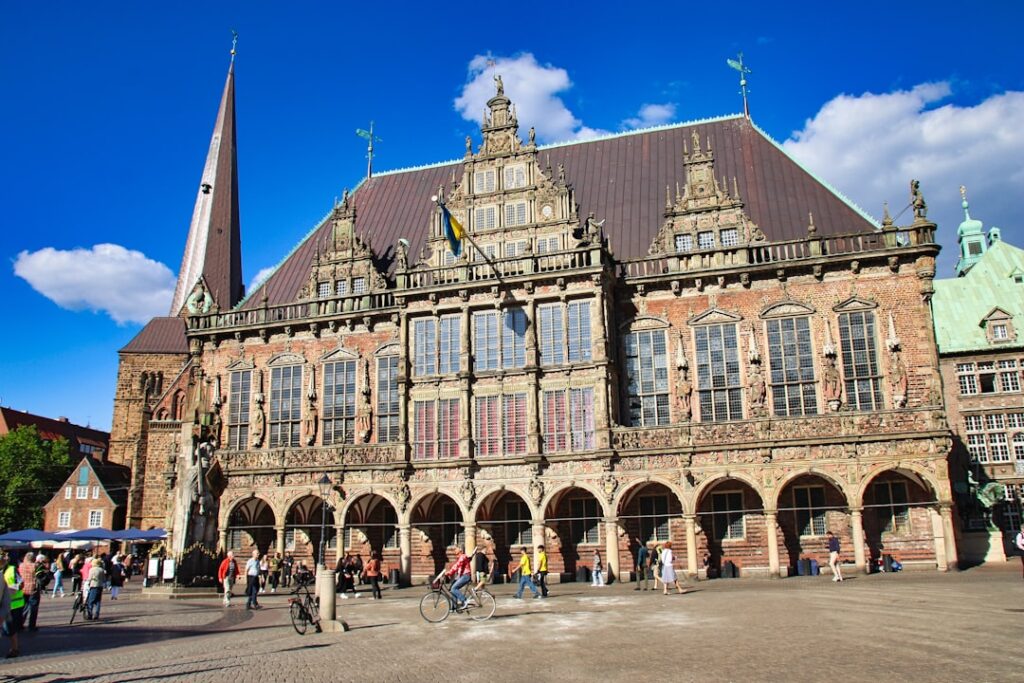
Just thirty kilometers separate two of Europe’s most historically significant cities: Aachen in Germany and Maastricht in the Netherlands. These neighboring border cities have shared centuries of intertwined history, culture, and commerce, making them natural partners in the heart of the Euregio Meuse-Rhine region.
The connection between Aachen and Maastricht dates back to Roman times, when both settlements served as important outposts along vital trade routes. But it was during the medieval period that their relationship truly flourished. Charlemagne’s choice of Aachen as his imperial capital in the 8th century elevated the entire region’s importance, and Maastricht—already a significant religious center—benefited from its proximity to imperial power.
A Borderland Identity
For centuries, the border between what is now Germany and the Netherlands was fluid and contested. Both Aachen and Maastricht found themselves at various times under different rulers—Spanish, French, Austrian, and Prussian. This shared experience of being borderland cities created a unique cultural identity that transcends modern national boundaries.
The dialect spoken in Aachen, known as Öcher Platt, shares remarkable similarities with the Limburgish dialect of Maastricht. Locals on both sides of the border can often understand each other better than they can understand their own national standard languages. This linguistic kinship reflects centuries of cross-border marriages, trade, and cultural exchange.
Modern Cooperation and Daily Life
Today, Aachen and Maastricht exemplify successful cross-border cooperation. Thousands of people commute daily between the two cities for work, study, and leisure. The University Hospital Aachen and Maastricht University Medical Center collaborate on research and patient care, while students frequently cross the border to take advantage of educational opportunities on both sides.
The cities are connected by frequent bus and train services, making it easier than ever for residents and visitors to experience both destinations in a single day. Many Aachen residents make regular shopping trips to Maastricht for its Sunday opening hours and distinctive Dutch products, while Dutch visitors flock to Aachen’s famous Christmas market and thermal baths.
Cultural Exchange and Tourism
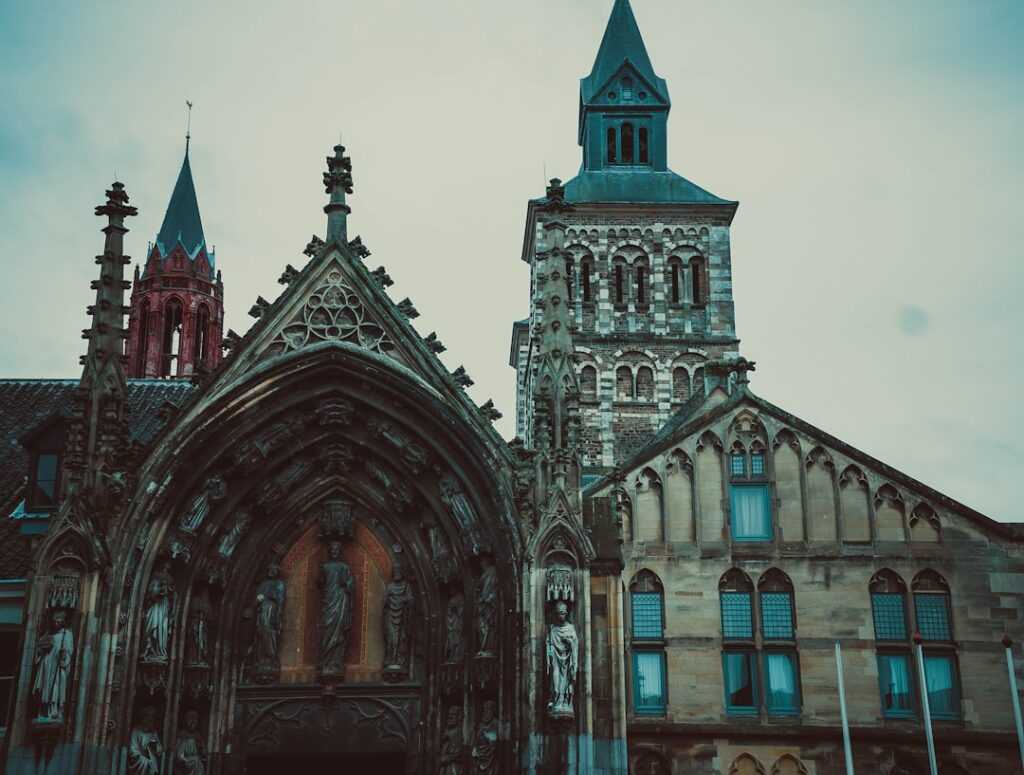
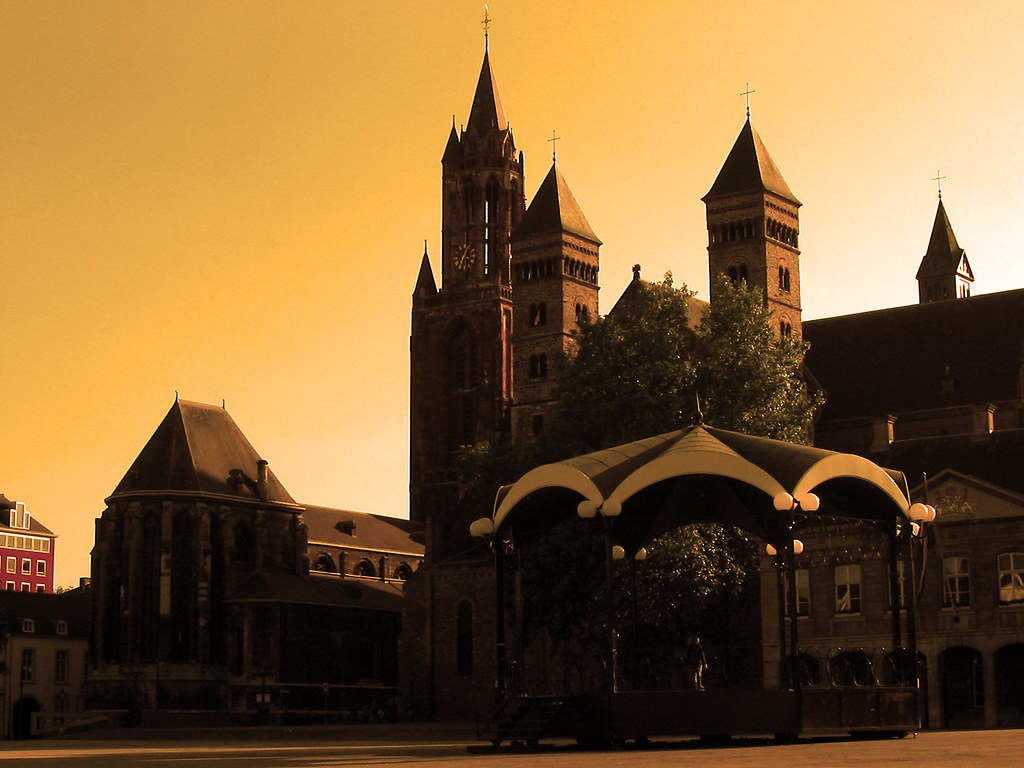
The Euregio Meuse-Rhine, which encompasses both cities, actively promotes cultural cooperation through joint festivals, exhibitions, and heritage projects. The region’s shared Catholic heritage is particularly visible in the stunning ecclesiastical architecture found in both cities—from Aachen’s magnificent cathedral, where Charlemagne is buried, to Maastricht’s Basilica of Saint Servatius.
For travelers, the Aachen-Maastricht connection offers a unique opportunity to experience two distinct national cultures while recognizing their deep historical bonds. A visit to Aachen’s historic center, with its imperial cathedral and thermal springs, pairs perfectly with an excursion to Maastricht, where Dutch charm meets southern European warmth in a city that feels distinctly different from the rest of the Netherlands.
The relationship between these two cities demonstrates that borders, while politically significant, need not divide communities that share geography, history, and mutual interests. In an era of increasing European integration, Aachen and Maastricht stand as a model of how neighboring cities can maintain their distinct identities while building a shared future.
Tours & experiences in Germany


Powered by Viator. Some links are affiliate links — we may earn a small commission at no extra cost to you.