
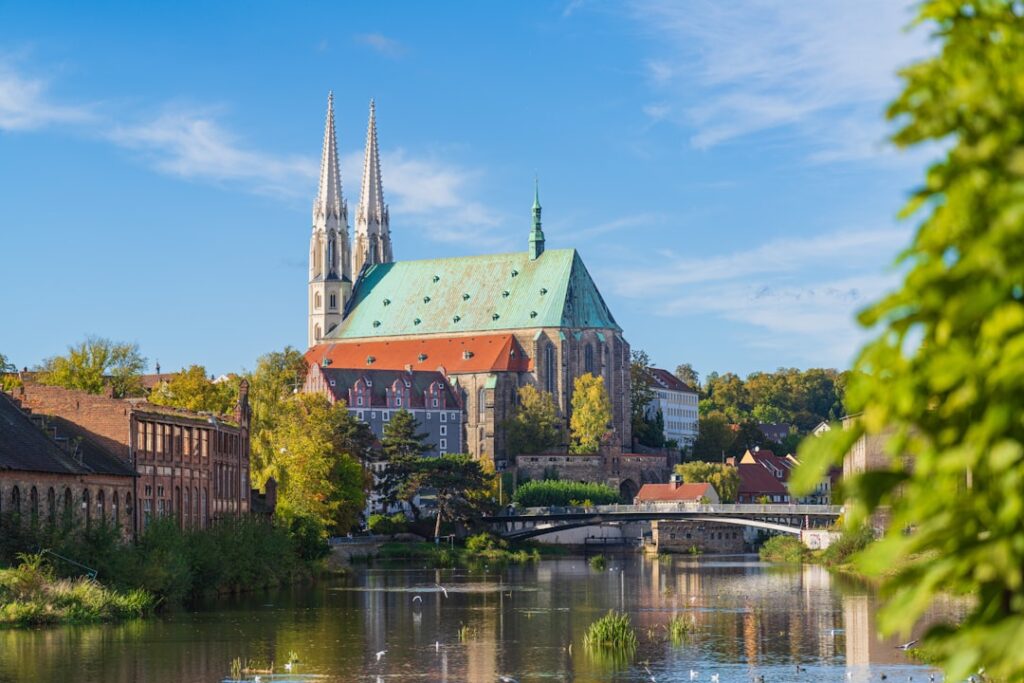
Between 1820 and 1880, approximately 200,000 to 250,000 Jews emigrated from German lands to the United States. This wave of migration transformed both Germany and New York, creating lasting cultural and economic connections that remain visible today.
The German-Jewish emigrants who arrived in New York during the mid-19th century were fleeing economic restrictions and social discrimination in the German states. Unlike the later wave of Eastern European Jews who would arrive after 1880, these German Jews—known as “Yekes”—were often educated, middle-class, and quickly established themselves in commerce and finance.
The German-Jewish Legacy in New York
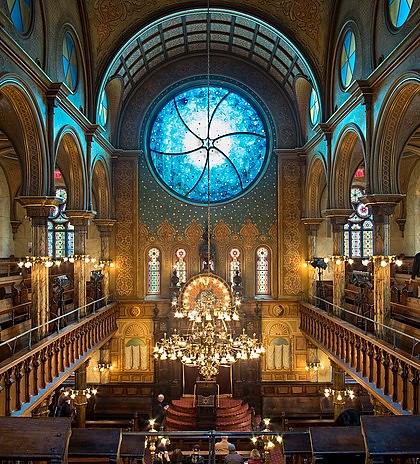
German Jews initially settled around the Lower East Side and gradually moved uptown as they prospered. They founded some of New York’s most enduring institutions: Congregation Emanu-El, established in 1845 by German-Jewish immigrants, became one of the largest Reform Jewish congregations in the world. The Educational Alliance, founded by established German Jews, served to help integrate later waves of Eastern European immigrants.
German-Jewish families like the Lehmans, Guggenheims, and Straus family became synonymous with American business success. Macy’s department store was transformed by the Straus family, German-Jewish immigrants who arrived from Bavaria. Lehman Brothers was founded by three brothers from Rimpar, Bavaria, who settled in Montgomery, Alabama beginning in the mid-1840s before opening their New York office in 1858.
Two Waves, One Neighbourhood
The relationship between German Jews and the later Eastern European Jewish immigrants who populated The Lower East Side That Jewish Immigrants Built was complex. The established German-Jewish community, sometimes called “uptown Jews,” created charitable organizations to assist the “downtown Jews” arriving from Russia, Poland, and Romania after the 1880s. While tensions existed—the German Jews worried about antisemitism being directed at all Jews due to the poverty of the new arrivals—they nonetheless provided crucial support through settlement houses, vocational training, and advocacy.
Visiting the German-Jewish Heritage Today
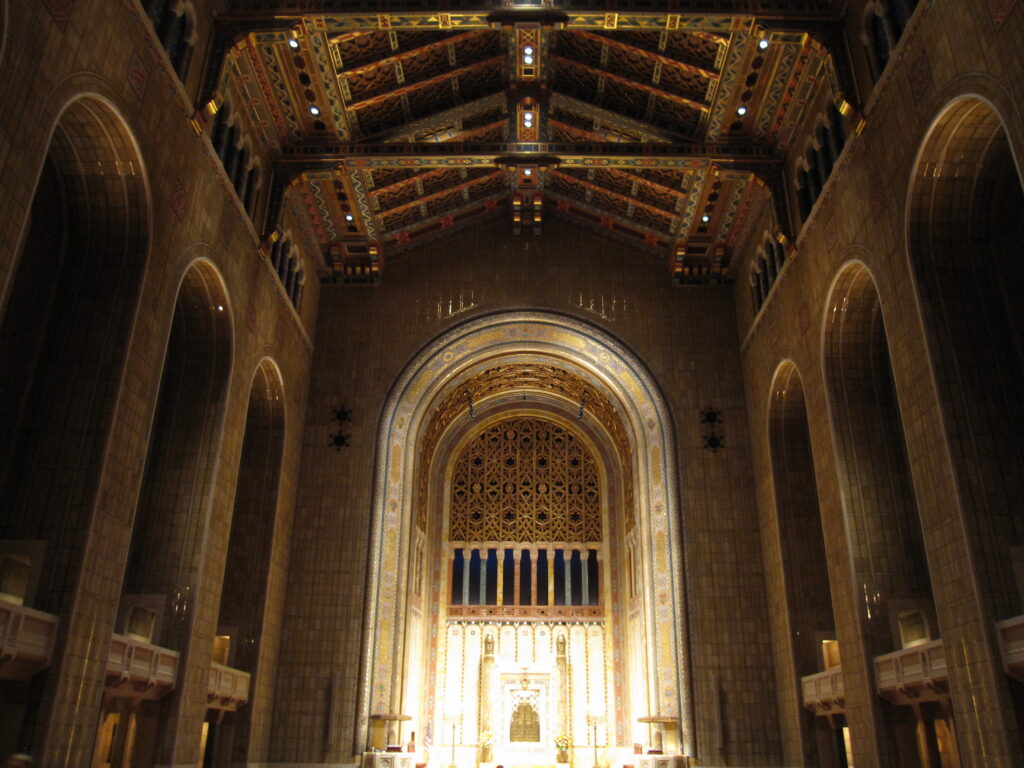
Several sites in New York preserve this German-Jewish heritage. The Leo Baeck Institute on the Upper West Side houses the world’s most comprehensive collection of source material on German-speaking Jewry. Temple Emanu-El on Fifth Avenue, built between 1928 and 1930, still conducts services largely in the Reform tradition established by its German founders.
In the Lower East Side, the Eldridge Street Synagogue—though primarily associated with Eastern European Jews—tells the broader story of Jewish immigration, including the German-Jewish philanthropists who supported the neighbourhood’s institutions. The Tenement Museum explores the lives of all immigrant groups who lived in the neighbourhood, contextualizing the German-Jewish migration within the larger story of New York’s immigrant history.
Understanding this German-Jewish connection enriches any visit to New York’s historic Jewish neighbourhoods, revealing how migration from Germany helped shape not just one community, but the entire character of America’s greatest city.
Tours & experiences in Germany


Powered by Viator. Some links are affiliate links — we may earn a small commission at no extra cost to you.