
Few visitors to Edinburgh Castle realize that Scotland’s Crown Jewels—the Honours of Scotland—share a remarkable historical parallel with Germany’s own imperial regalia, and that both collections were concealed during the turmoil of the 20th century.
The Honours of Scotland, consisting of the crown, sceptre, and sword of state, are the oldest Crown Jewels in the British Isles, dating from the 15th and early 16th centuries. During World War II, these priceless symbols of Scottish sovereignty were hidden in a secret location beneath Edinburgh Castle to protect them from German bombing raids. What’s less known is that Germany’s own imperial regalia—the Reichskleinodien—underwent a strikingly similar wartime odyssey.

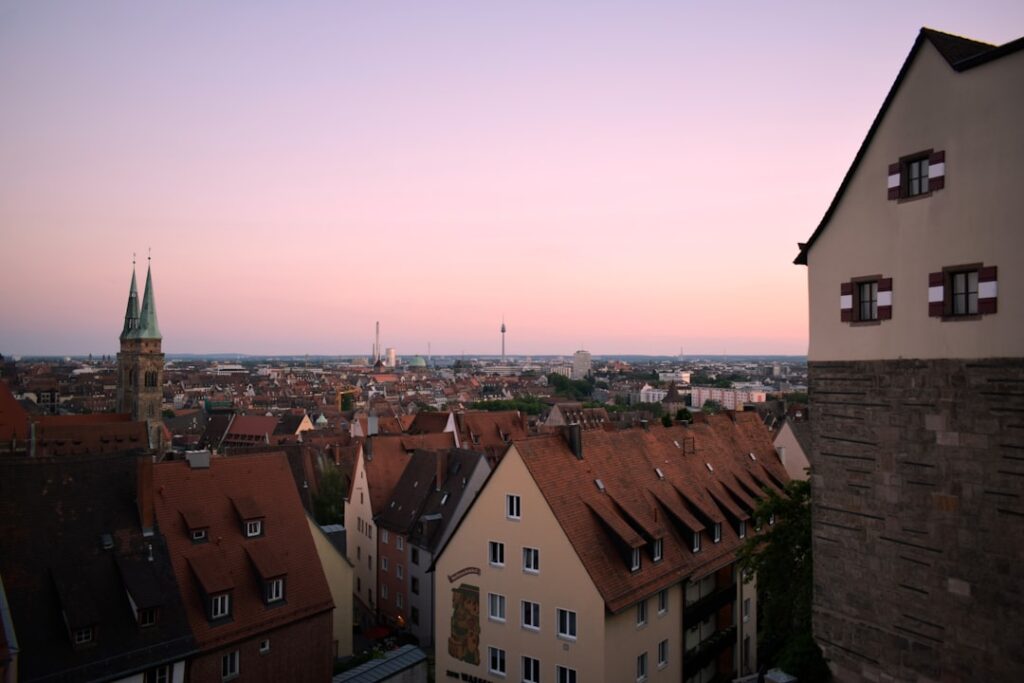
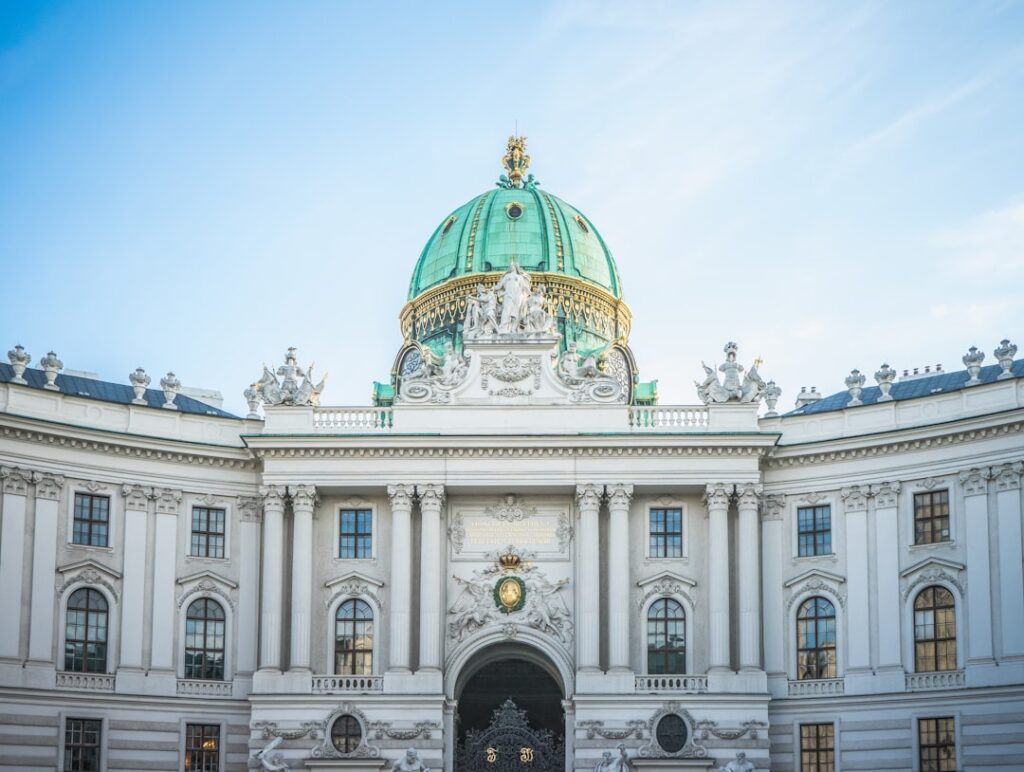
The German imperial crown, orb, and sceptre, dating back to the Holy Roman Empire, had been kept in Vienna for centuries. In 1938, they were transferred to Nuremberg, where they were initially stored in the Historischer Kunstbunker under Nuremberg Castle. As Allied forces advanced in March 1945, Nazi officials moved them to a specially constructed vault beneath the Panier Platz for safekeeping. American troops recovered them there on August 7, 1945. After a period in Allied custody, they were returned to Vienna’s Hofburg Palace, where they remain today—much as Scotland’s Honours were eventually restored to public view at Edinburgh Castle.
A Shared Symbolism
Both sets of regalia represent more than mere treasure. The Scottish Honours were used at the coronation of Mary, Queen of Scots in 1543 and at subsequent state occasions, including the coronation of Charles II in 1651. The German Reichskleinodien crowned Holy Roman Emperors for centuries, embodying the continuity of imperial authority from Charlemagne onward. Each collection represents the tangible link between a people and their sovereign history.
The connection between Scotland and Germany’s imperial past runs deeper still. James VI of Scotland, who became James I of England in 1603, maintained diplomatic relations with various German principalities and was connected through marriage alliances to several German royal houses. His daughter Elizabeth Stuart married Frederick V, Elector Palatine, one of the most powerful German princes of the early 17th century.
Preserving National Memory
Today, both Scotland and Germany treat their historic regalia as treasures of national identity rather than mere museum pieces. The Honours of Scotland remain on display at Edinburgh Castle, where they attract hundreds of thousands of visitors annually who come to see these tangible links to Scotland’s independent past. Similarly, the Reichskleinodien in Vienna serve as reminders of the complex, centuries-long history of German-speaking central Europe.
The parallel stories of concealment, near-loss, and eventual restoration speak to a shared European experience during the 20th century’s darkest hours. Both nations recognized that these objects transcended their material value—they were irreplaceable symbols of cultural continuity that had to be preserved at all costs.
For visitors to Edinburgh Castle, understanding this broader European context adds depth to the experience of viewing the Honours of Scotland. These aren’t merely Scottish artifacts; they’re part of a wider story of how European nations have struggled to preserve their heritage through centuries of conflict and change. The fact that German and Scottish authorities made remarkably similar decisions about protecting their regalia during World War II reveals a shared understanding of what these objects mean to national identity.
Tours & experiences in Germany


Powered by Viator. Some links are affiliate links — we may earn a small commission at no extra cost to you.