When we think of the Norman conquests, England in 1066 usually comes to mind. But the Normans carved out another extraordinary kingdom in the Mediterranean—one that would eventually unite with the German Empire through marriage and dynastic succession.
The Norman Kingdom of Sicily, established in the 11th and 12th centuries by adventurers from Normandy, became one of medieval Europe’s most cosmopolitan states. Its fate would become intertwined with German imperial history through the Hohenstaufen dynasty.
The Imperial Marriage
The connection between Germany and Norman Sicily deepened dramatically when Henry VI, Holy Roman Emperor and son of Frederick Barbarossa, married Constance of Sicily in 1186. This marriage united the German imperial crown with the Norman Kingdom of Sicily, bringing the two realms under a single dynasty—the Hohenstaufen.
Frederick II: The German-Norman Emperor
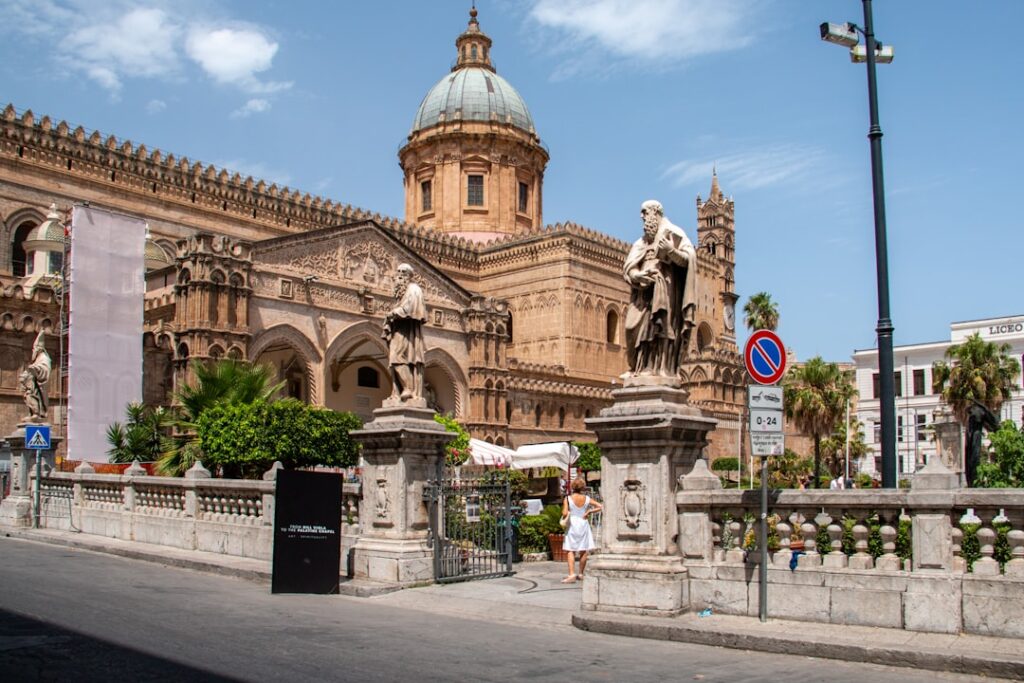
The fruit of this union was Frederick II, born in 1194 in Jesi, near Ancona. Raised in Palermo, Frederick inherited both the German imperial title and the Norman Kingdom of Sicily. He became one of medieval Europe’s most remarkable rulers, blending Norman administrative genius with German imperial ambition.
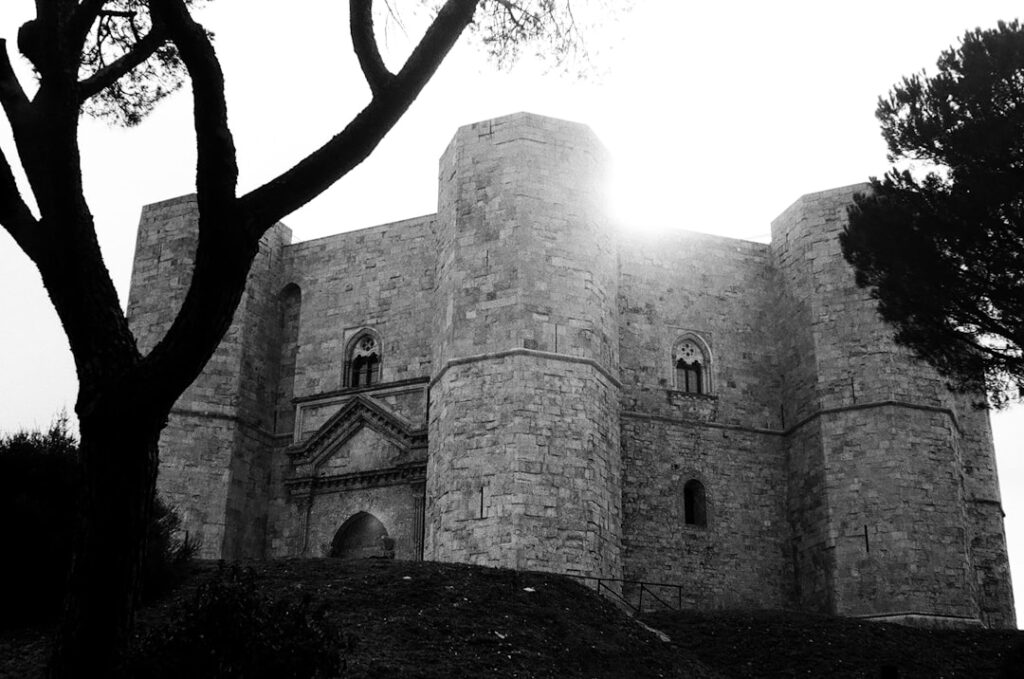
Frederick established his primary court at Palermo. Archaeological evidence and surviving documents confirm the presence of German architectural influence in Sicilian castles built during this period, including Castel del Monte in Apulia—Frederick’s enigmatic octagonal fortress that blends Norman, German, and Islamic design elements.
The Legacy
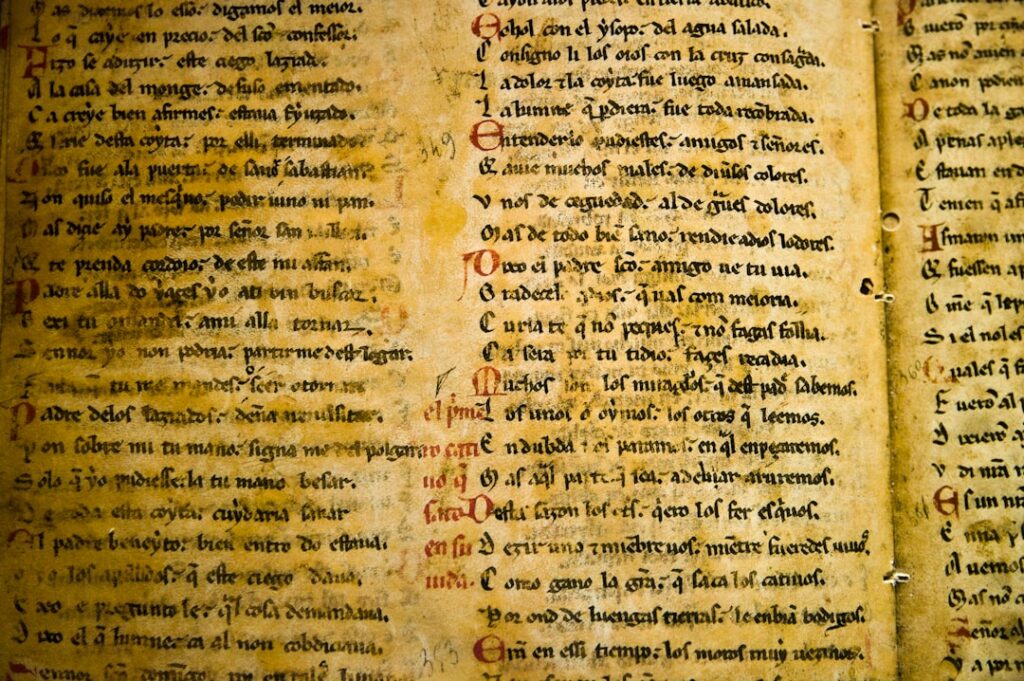
The connection worked both ways. Norman administrative practices, refined in Sicily’s multicultural kingdom, influenced governance in the Holy Roman Empire. Frederick II’s sophisticated bureaucracy, with its written records and professional civil service, drew on administrative models developed in Sicily.
The story of The Normans Who Changed the World extended far beyond France and England—through dynastic marriage, it reached into the heart of the German Empire itself. This German-Norman fusion created a unique Mediterranean empire where Arabic scholars translated Greek texts for German emperors, and where the administrative innovations of Viking descendants from France shaped German imperial governance. It remains one of medieval Europe’s most fascinating cross-cultural experiments.
Tours & experiences in Germany


Powered by Viator. Some links are affiliate links — we may earn a small commission at no extra cost to you.