Rising from the waters of Hamburg’s Elbe River like a floating city of red brick and Gothic Revival towers, the Speicherstadt stands as one of Germany’s most distinctive architectural treasures. This vast warehouse district, built between 1883 and 1927, is the largest of its kind in the world—a labyrinth of canals, bridges, and seven-story storage buildings that once held coffee, tea, spices, cocoa, and Oriental carpets from across the globe. Today, this UNESCO World Heritage Site has transformed into one of Hamburg’s most captivating attractions, blending maritime history with contemporary culture.
The name Speicherstadt literally translates to “City of Warehouses,” and it delivers on that promise spectacularly. Covering 26 hectares and comprising fifteen massive warehouse blocks, the district sits on thousands of oak pilings driven deep into the soft riverbed. The architecture itself is a masterpiece—neo-Gothic facades adorned with turrets, gables, and ornamental details that make these utilitarian buildings look more like palaces than storage facilities. At night, when illuminated by carefully placed lights reflecting off the dark canal waters, Speicherstadt transforms into something truly magical.
What to See and Experience
The beauty of Speicherstadt lies in both its architecture and the attractions housed within those historic walls. Start your visit at the Speicherstadt Museum (Speicherstadtmuseum), located in Block L. This small but excellent museum tells the story of how workers stored, weighed, and traded goods in these warehouses, with original equipment, historical photographs, and recreated workspaces that bring the past vividly to life.
Don’t miss the Miniatur Wunderland, though it deserves its own day if you’re a fan of model railways—this is the world’s largest model railroad exhibition and Hamburg’s most visited attraction. For something uniquely Hamburg, visit the Spicy’s Gewürzmuseum (Spice Museum), where you can smell and touch over 50 different spices that once filled these very warehouses. The interactive exhibits make this a particularly good choice for families.
The Hamburg Dungeon offers theatrical tours through 600 years of Hamburg’s darker history, complete with actors, special effects, and plenty of dramatic flair. For a more refined cultural experience, the International Maritime Museum in the nearby HafenCity features nine floors of maritime artifacts, ship models, and naval history—one of the world’s finest collections of its kind.
Simply wandering the narrow walkways alongside the canals (called Fleete) is an attraction itself. Cross the many iron bridges, peek into courtyards, and watch the canal boats glide beneath you. The best views come from street level along St. Annenufer and Brooktorkai, where you can appreciate the full scale of these magnificent buildings.
Getting There and Getting Around
Speicherstadt is exceptionally easy to reach in Hamburg. The U-Bahn station Baumwall (U3 line) deposits you right at the western edge of the district, while Meßberg station (U1) serves the northern side. From Hamburg’s main train station (Hauptbahnhof), you can reach Speicherstadt in about ten minutes via U-Bahn or take a pleasant 20-minute walk through the city center.
The district is entirely pedestrian-friendly and relatively compact, making walking the ideal way to explore. For a different perspective, consider taking a traditional barge tour through the canals—these 60-90 minute cruises offer fascinating insights and photo opportunities from water level. Tours typically depart from various points along the canals and cost around €15-20 per person. Evening twilight tours are particularly atmospheric.
When to Visit and Insider Tips
Speicherstadt rewards visitors year-round, but each season offers something special. Spring and summer (May-September) provide the best weather for canal tours and outdoor exploration. Autumn brings fewer crowds and beautiful light for photography, while winter, particularly during the Christmas season, features a charming Christmas market with maritime flair nestled among the warehouses.
For the most magical experience, visit during the blue hour—that brief window at dusk when the building lights come on but there’s still color in the sky. The reflections in the still canal waters create postcard-perfect scenes. Early mornings (before 10 AM) offer peaceful exploration before the tour groups arrive.
Here’s an insider tip: while most visitors stick to the main walkways along Poggenmühlenbrücke and Am Sandtorkai, venture into the interior courtyards and smaller bridges for less crowded views. The area around Holländischer Brook and Kannengießerortbrücke offers particularly photogenic angles with fewer people.
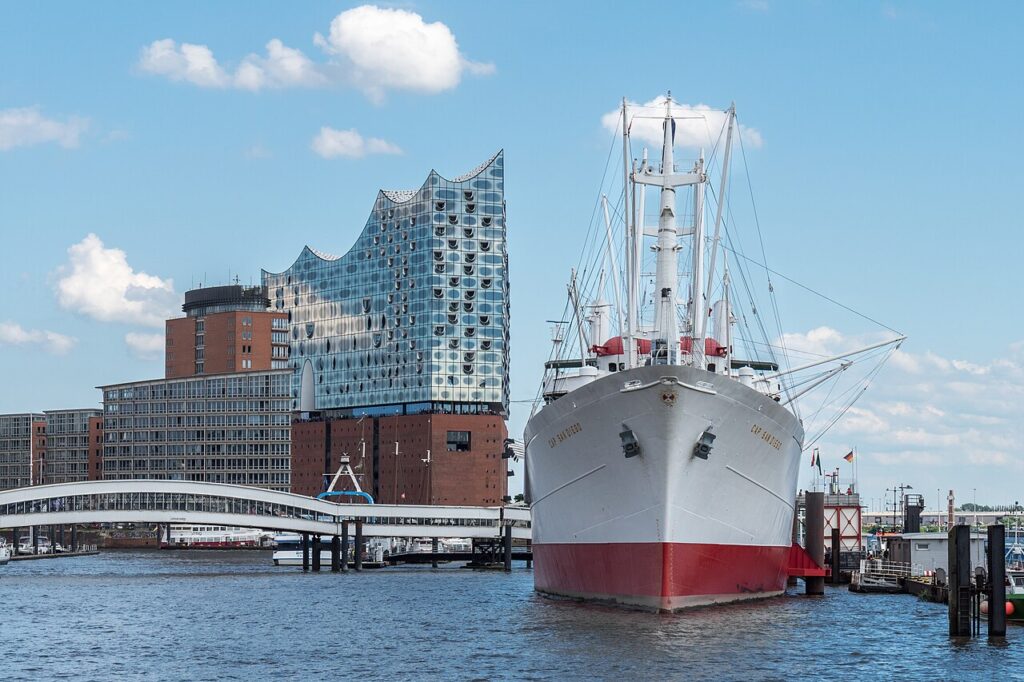
If you’re visiting the Miniatur Wunderland (highly recommended), book tickets online in advance—this attraction regularly sells out, and advance booking saves both money and waiting time. Combine your Speicherstadt visit with nearby HafenCity, Hamburg’s modern urban development that provides striking architectural contrast, and the iconic Elbphilharmonie concert hall, just a ten-minute walk away.
Budget at least three to four hours for a thorough exploration, or a full day if you plan to visit multiple museums. Many of the cafés and restaurants in converted warehouse spaces offer atmospheric dining—try the coffee houses, a fitting tribute to Speicherstadt’s history as a major coffee storage hub. The combination of historic grandeur, cultural attractions, and maritime atmosphere makes Hamburg’s Speicherstadt an unforgettable destination that captures the essence of this great Hanseatic city.