Nestled in the far southeastern corner of Bavaria, Königssee stands as one of Germany’s most spectacular natural wonders. This pristine alpine lake, surrounded by towering limestone cliffs and emerald forests within Berchtesgaden National Park, offers visitors a slice of Bavarian paradise that feels worlds away from the country’s bustling cities. With its crystal-clear waters reflecting the dramatic Watzmann massif and charming lakeside chapel, Königssee delivers the quintessential alpine experience.
What Makes Königssee Special
Königssee—literally “King’s Lake”—is Germany’s deepest and cleanest lake, stretching nearly eight kilometers through a glacial valley carved between steep mountain walls that rise up to 2,700 meters. The lake’s remarkable clarity comes from strict environmental protections that have been in place since 1909, when only electric boats, hand-powered vessels, and swimmers were permitted on its waters.
The iconic view that graces countless postcards features the red-domed St. Bartholomew’s Church (St. Bartholomä), a pilgrimage chapel dating to the 12th century that sits on a peninsula jutting into the emerald waters. The baroque church, with its distinctive onion domes set against the vertical rock faces of the Watzmann east wall, creates one of the most photographed scenes in all of Germany.
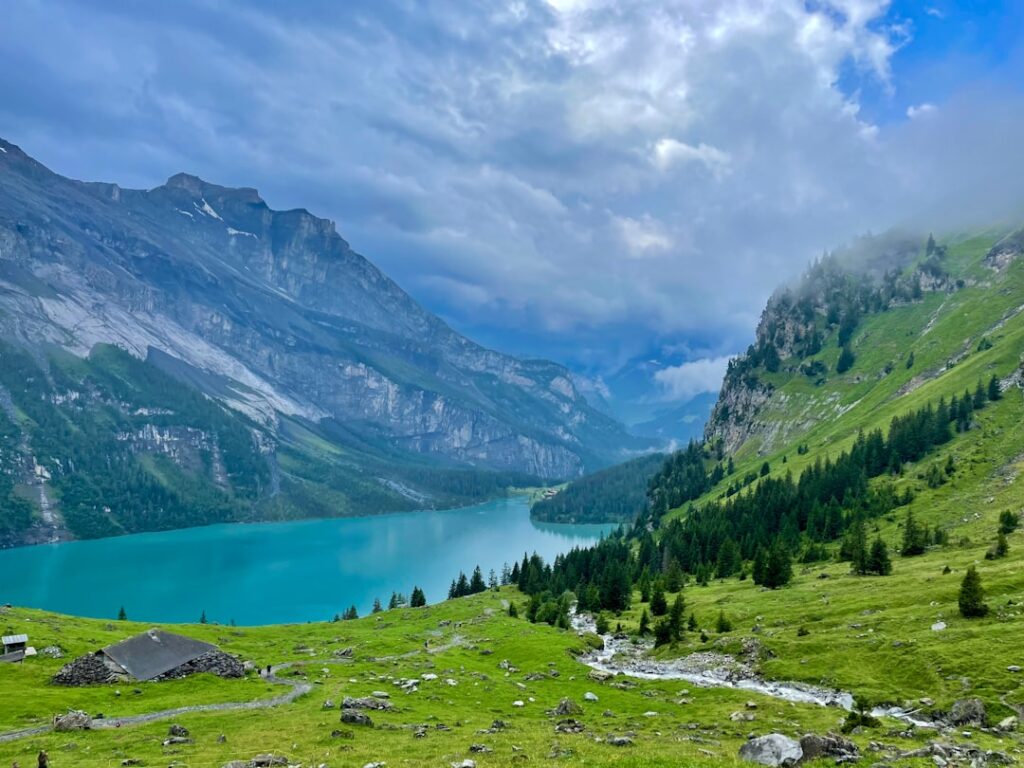
The lake lies within Berchtesgaden National Park, Germany’s only alpine national park, which shares borders with Austria’s Salzburg region. This protected wilderness area encompasses some of the most pristine alpine ecosystems in Central Europe, home to golden eagles, chamois, marmots, and rare alpine flowers.
What to See and Do
The Electric Boat Tour: The quintessential Königssee experience is boarding one of the whisper-quiet electric boats that have transported visitors since 1909. The journey to St. Bartholomä takes about 35 minutes, and midway across, the captain stops the boat to demonstrate the lake’s famous echo by playing a flugelhorn or trumpet against the Echowand (Echo Wall). The sound bounces back from the cliffs in a hauntingly beautiful demonstration of the fjord-like acoustics.
St. Bartholomä: At the main boat stop, you can explore the charming pilgrimage church, grab lunch at the historic inn serving fresh fish caught from the lake, or begin hiking trails that wind through the surrounding forests. The former hunting lodge here once hosted Bavarian royalty on their alpine excursions.
Obersee: Adventurous visitors should continue to the final boat stop at Salet, then hike 15 minutes to reach Obersee, an even more secluded upper lake. The trail along Obersee’s shores leads to the Röthbach waterfall, Germany’s highest at 470 meters, cascading down sheer rock faces in spectacular fashion.
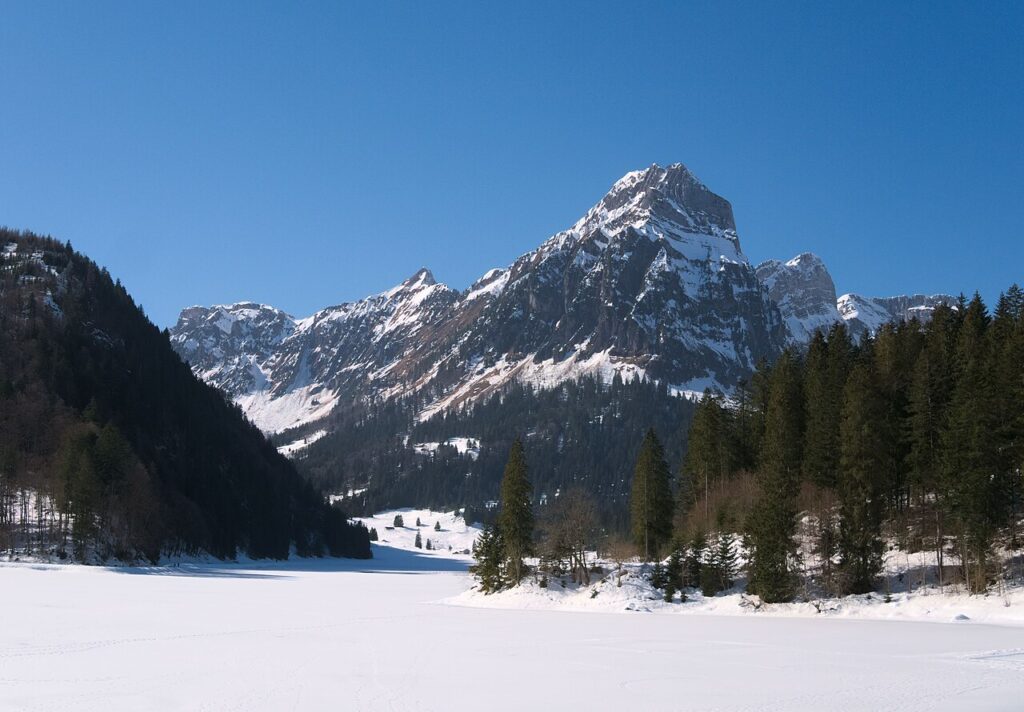
Winter Magic: When the lake freezes—a rare occurrence happening perhaps once per decade—locals walk across the ice in an unforgettable spectacle, though tourists should never attempt this without official permission.
Berchtesgaden Town: The charming alpine town at the lake’s gateway deserves exploration, with its picturesque market square, salt mine tours, and the Documentation Center at the former Nazi retreat site on Obersalzberg, offering important historical context.
Planning Your Visit
Getting There: Königssee is located about 150 kilometers southeast of Munich and just 30 kilometers from Salzburg, Austria. From Munich, drive via the A8 autobahn toward Salzburg, exiting at Bad Reichenhall, then follow signs to Berchtesgaden and Königssee (about 2 hours total). Alternatively, take the train from Munich to Berchtesgaden Hauptbahnhof, then catch bus 841 or 842 directly to Königssee (total journey approximately 3 hours).
The village of Schönau am Königssee serves as the gateway, with large parking areas (paid) near the boat docks. Arrive early during peak season, as lots fill quickly by mid-morning.
Best Time to Visit: Late spring through early fall (May-October) offers the most reliable weather and full boat service. June and September provide the best balance of pleasant weather and smaller crowds compared to the peak July-August period. Autumn brings stunning foliage, while late spring showcases alpine wildflowers and rushing waterfalls fed by snowmelt. Winter visits offer serene beauty and smaller crowds, though boat schedules are reduced and some destinations may be inaccessible.
Insider Tips: Purchase boat tickets early in the day to secure your preferred departure time during summer. The round-trip journey to Obersee takes 3-4 hours minimum, so plan accordingly. Bring layers regardless of season—mountain weather changes rapidly. For photographers, morning light illuminates St. Bartholomä beautifully, while the echo demonstration happens on every boat journey. Consider staying overnight in Berchtesgaden or Schönau to experience the lake at quieter times and explore the broader region, including nearby Hintersee lake and the Almbachklamm gorge.
Pack sturdy walking shoes, as even short walks from boat stops involve uneven terrain, and bring cash for the boat tickets and refreshments—not all locations accept cards.