
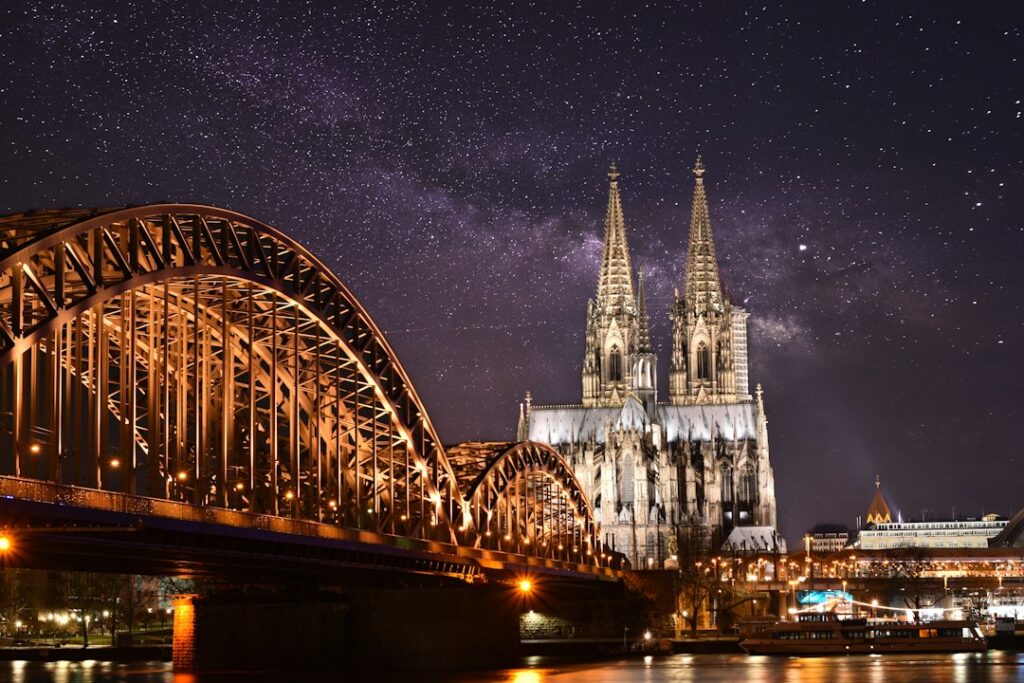
Walk through London today and you’ll encounter street names, pub signs, and family histories that trace back not to England, but to Germany and German-speaking lands. While millions of Americans carry English surnames without knowing their origins, many London families bear German names that tell a remarkable story of refuge, resilience, and integration spanning three centuries.
The Hanoverian Connection
Direct German migration to London increased substantially in the 18th century. The Hanoverian succession brought George I to the British throne in 1714, and with him came German courtiers, servants, merchants, and craftsmen. Sugar bakers from Hamburg, watchmakers from Augsburg, and musicians from across German-speaking lands settled in London, particularly around Soho and Leicester Square.
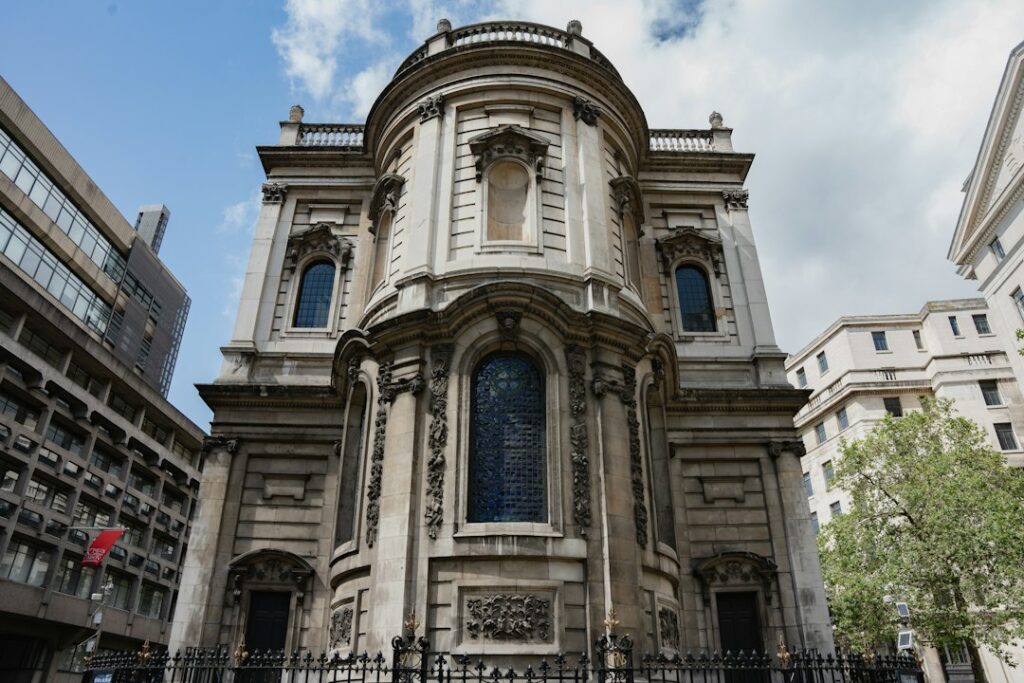
St. George’s German Lutheran Church in Whitechapel, consecrated in 1763, ministered to this growing community. The church served as a focal point for German-speaking Protestants establishing themselves in the capital.
The Victorian German Community
Victorian London saw its German population grow significantly, with approximately 14,000-14,300 Germans living in the capital by the 1860s, making it one of the largest foreign communities in the city. German bakers introduced new breads to London tables. German butchers established pork shops selling sausages and cured meats. The area around Charlotte Street and Fitzrovia developed a notable German presence, with Charlotte Street itself nicknamed “Charlottenstrasse” for its German restaurants, churches, and social clubs. The Stepney and Whitechapel areas were known as “Little Germany” due to their concentrated German populations.
German names like Siemens and Schröder became established in London business directories. The composer Felix Mendelssohn visited London ten times, and his music became synonymous with Victorian respectability.
Names That Survived Two Wars
The World Wars brought tragedy to London’s German community. During World War I, anti-German riots destroyed shops in Soho and other neighborhoods. Many families anglicized their surnames: Müller became Miller, Schmidt became Smith, Schneider became Taylor. The royal family itself changed from Saxe-Coburg-Gotha to Windsor in 1917.
Yet German surnames persisted. Today, London phone directories and electoral rolls contain thousands of recognizably German names: Becker, Fischer, Hoffmann, Klein, Meyer, Schulz, Wagner, Weber, and Wolf among them. Some families kept their names proudly through both conflicts; others reclaimed them in later generations.
Tracing Your German-London Roots
For Americans with German surnames and London connections, the trail often leads to surprising places. Parish records at German Lutheran churches in London contain baptisms, marriages, and burials spanning centuries. The National Archives at Kew holds naturalization papers and alien registration documents. The London Metropolitan Archives preserves business records, property deeds, and rate books showing German families’ economic integration.
German names in London tell stories of refuge and opportunity, of communities built and rebuilt, of identities preserved and transformed. They remind us that the city’s character has always been shaped by those who arrived from elsewhere, bringing their skills, their faith, and their family names to make London home.
Tours & experiences in Germany


Powered by Viator. Some links are affiliate links — we may earn a small commission at no extra cost to you.