
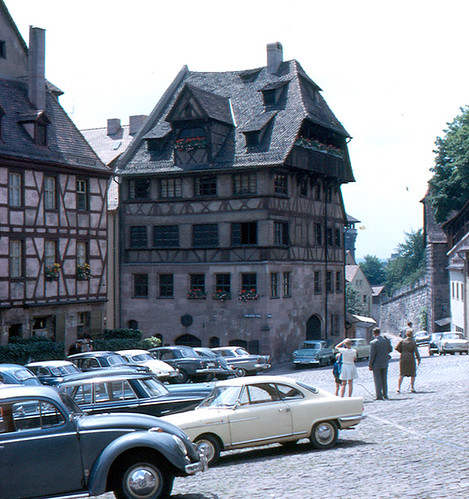
Walk into the National Gallery in London today, and you’ll find works by Albrecht Dürer, the Nuremberg master who revolutionized Northern European art. This isn’t coincidental—it’s the result of centuries of British fascination with Germany’s greatest Renaissance artist.
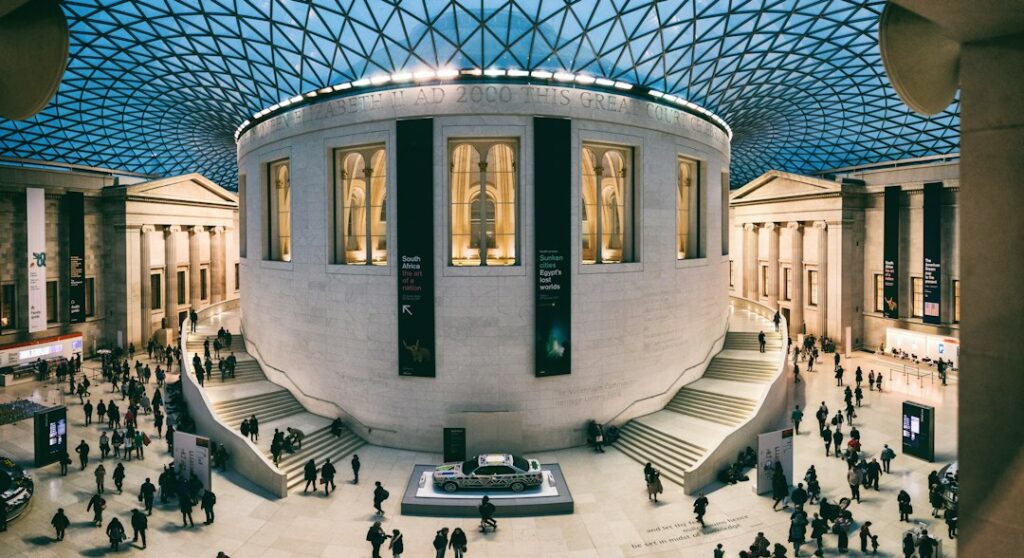
Dürer never visited England, yet his influence on British art and collecting has been profound. The National Gallery holds paintings by him, while the British Museum possesses one of the most comprehensive collections of Dürer drawings and prints anywhere in the world, including multiple impressions of his famous “Melencolia I” and “Knight, Death and the Devil.”
How Dürer Reached London
The story begins in the 16th century, when Dürer’s revolutionary prints—woodcuts and engravings of unprecedented technical sophistication—circulated throughout Europe. English collectors, particularly during the reign of Charles I, began acquiring his work. The king himself owned Dürer pieces, though many were dispersed after his execution in 1649.
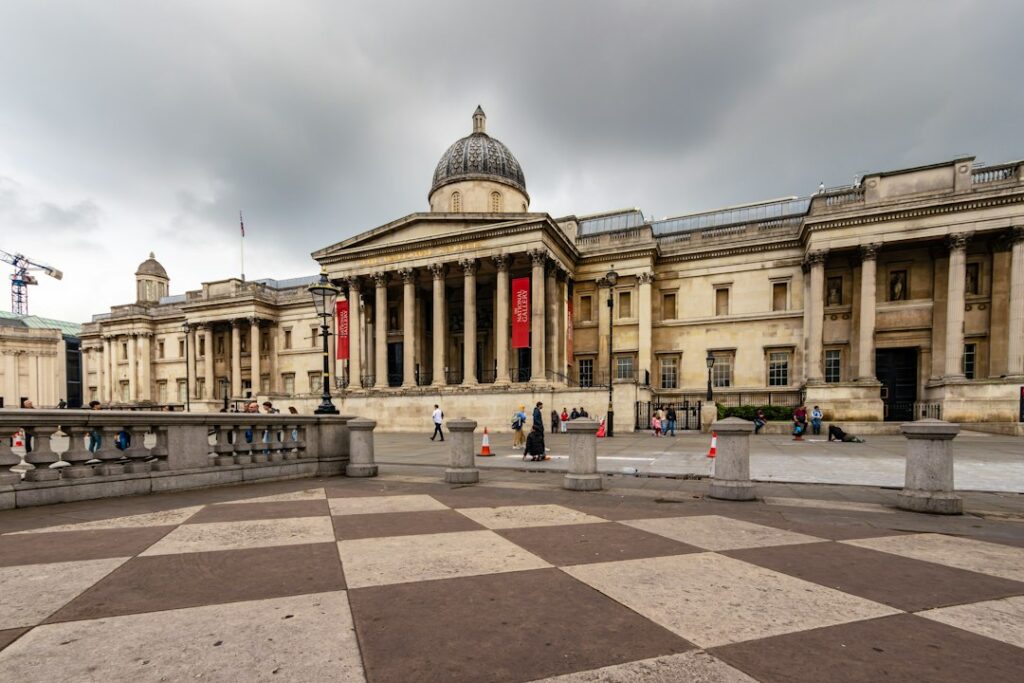
The real boom came in the 18th and 19th centuries. British Grand Tourists traveling through Germany made pilgrimages to Nuremberg specifically to acquire Dürer works. The print dealer and collector John Barnard amassed a spectacular Dürer collection in the 1700s, much of which eventually entered British institutions.
Victorian Dürer Mania
Victorian Britain experienced what can only be described as Dürer fever. The Pre-Raphaelites revered him as a kindred spirit—an artist who combined meticulous observation of nature with profound symbolism. John Ruskin lectured extensively on Dürer’s genius, and his influence can be traced in the work of artists from Ford Madox Brown to Edward Burne-Jones.
The British Museum’s Dürer holdings were substantially enriched during this period, with major acquisitions including the complete set of the “Apocalypse” woodcuts. Today, visitors to the best art galleries in London can see rotating displays from this collection, though the light-sensitive works are only exhibited periodically.
Dürer’s London Legacy Today
Beyond the National Gallery and British Museum, Dürer’s presence permeates London’s cultural landscape. The Victoria and Albert Museum holds important Dürer drawings, while the Courtauld Gallery occasionally displays works from its collection. The Ashmolean in Oxford and the Fitzwilliam in Cambridge also hold significant pieces, making the journey from London worthwhile for Dürer enthusiasts.
What makes London’s Dürer collections particularly valuable is their comprehensiveness. You can trace his entire career, from early experimental prints to the masterworks of his maturity. The British Museum’s collection includes different states of the same print, allowing scholars to study Dürer’s working methods—how he refined a copper plate between impressions.
For German visitors to London, seeing their national artistic treasure so lovingly preserved and displayed in British institutions offers a unique perspective. The reverence with which Dürer is treated in London galleries speaks to a long cultural exchange between Germany and Britain, one built not on political alliances but on shared artistic values and the recognition of transcendent genius.
The connection endures. Major Dürer exhibitions in London—like the National Gallery’s 2021-2022 show—draw crowds comparable to blockbuster contemporary art exhibitions, proof that a Nuremberg goldsmith’s son who died in 1528 still captivates audiences in 21st-century Britain.
Tours & experiences in Germany


Powered by Viator. Some links are affiliate links — we may earn a small commission at no extra cost to you.