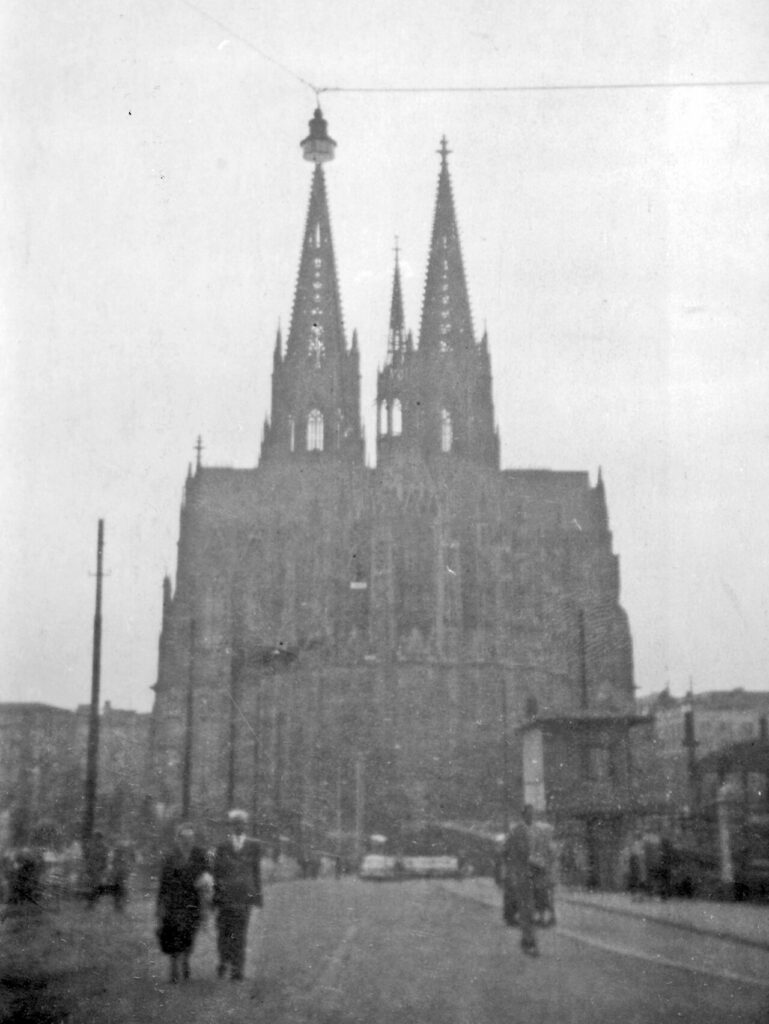
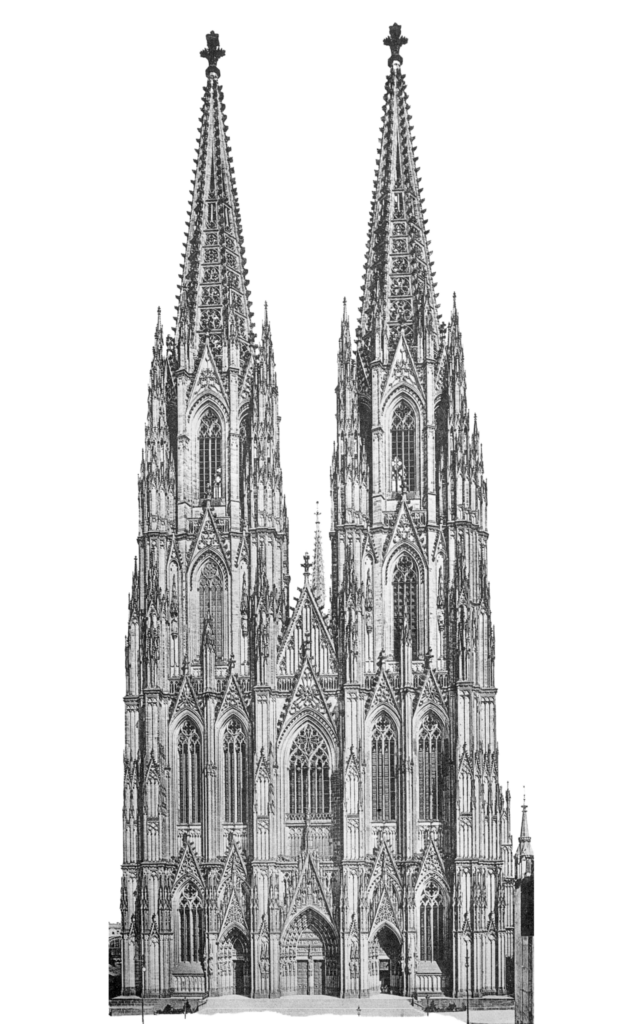
Rising 157 meters above the Rhine River, the Cologne Cathedral (Kölner Dom) dominates the skyline of Germany’s fourth-largest city with its imposing twin spires and blackened façade. This UNESCO World Heritage Site isn’t just Germany’s most visited landmark—it’s a testament to medieval craftsmanship, religious devotion, and architectural ambition that took over 600 years to complete.
The cathedral’s sheer scale astounds first-time visitors. Its vast interior can hold over 20,000 people, while its towers offer panoramic views across Cologne and the Rhine Valley. But beyond its impressive statistics, the Kölner Dom represents the pinnacle of High Gothic architecture in Germany, filled with artistic treasures spanning eight centuries.
A Cathedral Six Centuries in the Making
Construction began in 1248 when Cologne’s archbishop acquired what was believed to be the relics of the Three Wise Men from Milan. To house these precious relics, the city needed a cathedral worthy of such treasures. Medieval builders worked for nearly 300 years before construction halted in 1473, leaving the cathedral incomplete with a massive crane perched atop the south tower—where it would remain for nearly 400 years.
The Romantic movement of the 19th century sparked renewed interest in Gothic architecture, and construction resumed in 1842. Following the original medieval plans discovered in archives, builders finally completed the cathedral in 1880. Remarkably, it survived World War II largely intact, despite being hit by bombs 14 times, while the surrounding city was reduced to rubble.
What to See Inside and Out
The cathedral’s exterior demands attention with its intricate stone lacework, flying buttresses, and countless sculptures. The blackened appearance comes not from pollution alone but from the natural weathering of the local sandstone, giving the building its distinctive dark Gothic character.
Step inside, and your eyes need time to adjust to the solemn, dimly lit interior. The Shrine of the Three Kings behind the high altar—a golden reliquary containing the relics that inspired the cathedral’s construction—is the most important treasure. Created by medieval goldsmith Nicholas of Verdun, it’s considered the largest and most artistically significant reliquary in the Western world.
The cathedral houses several remarkable stained glass windows. Medieval windows from the 1300s display vibrant colors that seem to glow even on cloudy days. In striking contrast, the 2007 window by contemporary artist Gerhard Richter features 11,500 squares of colored glass in 72 shades, creating an abstract masterpiece that sparked controversy but draws thousands of admirers.
Don’t miss the Gero Cross, a monumental oak crucifix from 960 AD and one of the oldest large crucifixes north of the Alps. The choir stalls, carved between 1308 and 1311, showcase extraordinary medieval woodworking with 104 seats adorned with detailed figures.
For the energetic, climbing the 533 steps up the south tower is essential. The narrow, spiral staircase leads to a viewing platform at 100 meters, offering spectacular views across Cologne’s old town, the Rhine, and on clear days, the distant hills of the Eifel region. About halfway up, you’ll pass the massive cathedral bells, including St. Peter, which weighs 24 tons and is the largest free-swinging bell in the world.
Planning Your Visit
The cathedral is open daily with free admission to the main nave, though donations are appreciated. Opening hours are typically 6 AM to 8 PM (May through October) and 6 AM to 7:30 PM (November through April), though these can vary for services. Tower access and the treasury require separate tickets, costing around €6 and €8 respectively.
The cathedral sits directly adjacent to Cologne’s main train station (Hauptbahnhof), making it perhaps Germany’s most accessible major attraction. Step off any train—including high-speed ICE trains from Frankfurt (1 hour), Düsseldorf (30 minutes), or Brussels (2 hours)—and the cathedral towers before you. Cologne-Bonn Airport is 15 kilometers away, with regular trains reaching the cathedral in 15 minutes.
Visit early morning or late afternoon to avoid cruise ship crowds that descend mid-day. Weekday mornings are particularly peaceful. If attending a service, the Saturday evening mass features the cathedral’s magnificent organ. Photography is permitted but be respectful during services.
Insider tips: The Roman-Germanic Museum next door provides context for Cologne’s 2,000-year history. Across the plaza, the Museum Ludwig houses outstanding modern art. For the best exterior photographs, cross the Hohenzollern Bridge (adorned with thousands of love locks) for views with the Rhine in the foreground. In December, the Christmas markets surrounding the cathedral create magical atmosphere.
Spring through fall offers ideal weather for tower climbing and enjoying the Rhine promenade, though the cathedral’s dramatic presence transcends seasons. Even in winter fog or summer heat, the Kölner Dom remains an unmissable encounter with Gothic grandeur and German heritage.