
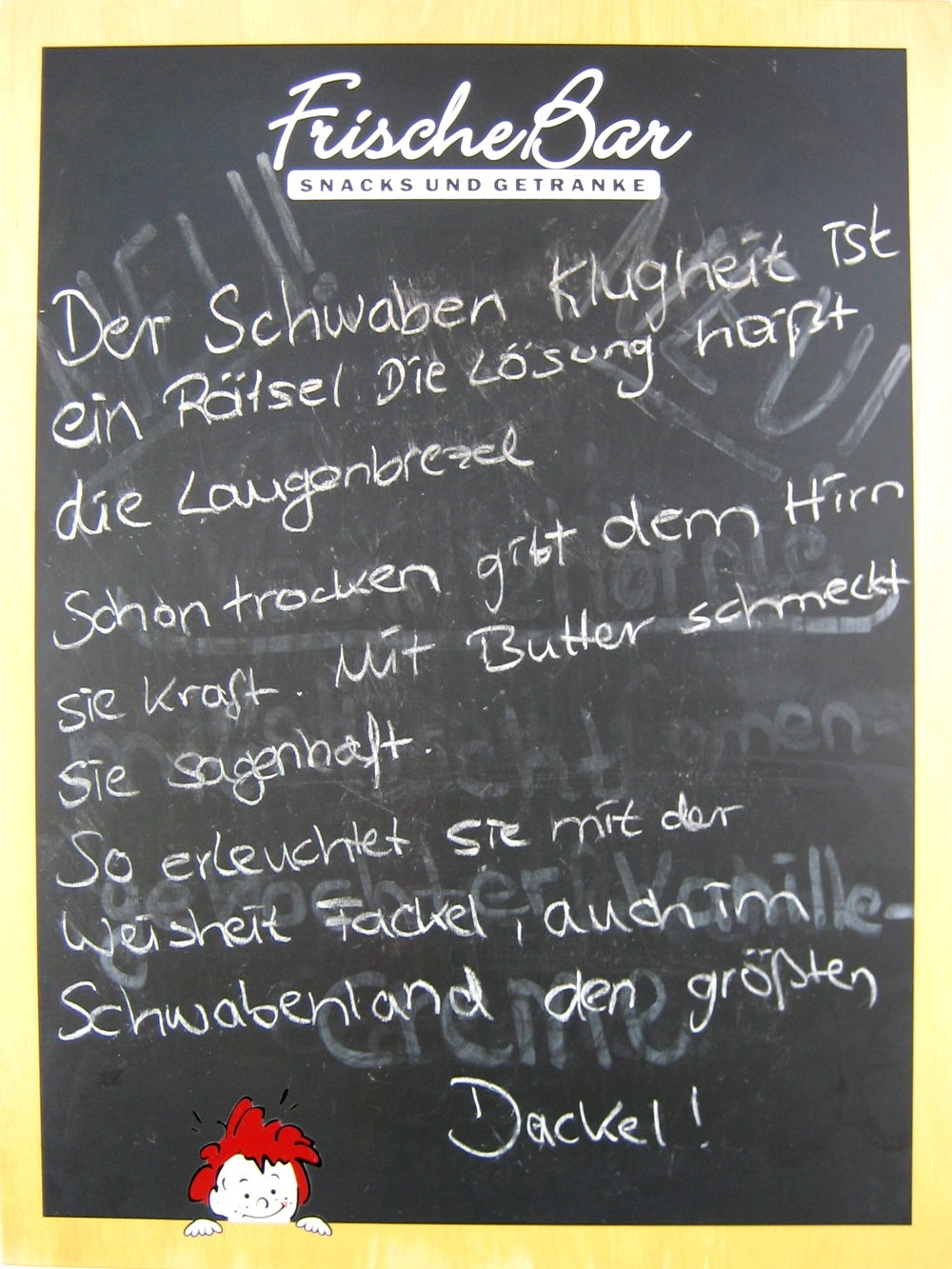
The distinctive knot of a Brezel is not just for looks: the three holes and the crossed arms create thin, fast-baking strands and a thick belly, so a single pretzel gives you both crackly crust and soft center. Before baking, German pretzels are dipped in a food-grade lye (sodium hydroxide) solution, which is what produces their mahogany sheen and unmistakable tang — something a simple egg wash can never replicate. This is Guide № 001 in The Love Germany Guide series.
Get the Full Collectible Guide (Free PDF)
The Pretzel (Brezel) — in a beautifully designed, printable booklet. The Love Germany Guide № 001.
Get the Full Collectible Guide (Free PDF)
The Pretzel (Brezel) — in a beautifully designed, printable booklet. The Love Germany Guide № 001.
Where the Brezel Comes From
The pretzel is one of Europe’s oldest surviving baked shapes, with monastic origins commonly traced to the early medieval period. A widely repeated tradition holds that monks formed the looped shape to represent arms crossed in prayer, and used the finished pretzels as rewards for children who learned their lessons — though the earliest documentary evidence is thinner than the storytelling suggests. What is clearer is that by the later Middle Ages the pretzel had become a guild symbol for bakers across German-speaking lands, and a golden pretzel still hangs as a bakery sign in many towns today.
Regional identity matters here. The soft, lye-dipped Laugenbrezel most visitors picture is strongly associated with southern Germany, especially Bavaria and Baden-Württemberg, where the Swabian version carries EU protected status as “Schwäbische Brezel.” The word itself descends from Latin bracchium, meaning “arm,” a nod to the crossed-arm shape.
How a Real Laugenbrezel Is Made
The defining step is the lye bath. Shaped raw pretzels are briefly dipped in a cold sodium hydroxide solution — typically around a 3 to 4 percent concentration — before baking. During baking this alkaline surface drives the Maillard reaction hard and fast, giving the deep brown color, glossy skin, and the flavor Germans describe as laugig. Bakers handle the raw lye with gloves and eye protection, but once baked the surface is food-safe; the heat neutralizes it.
The other signatures are the slash and the salt. A cut is scored across the thick belly so it bursts open cleanly in the oven, and coarse pretzel salt is scattered on top while the surface is still tacky. In Bavaria the belly is often thicker and the “arms” thinner and crisper; a proper Bavarian Brezn is meant to be torn apart, with the crunchy arms eaten first and the softer body saved for last.
Regional Names and Styles
What you call it depends on where you order it. In Bavaria and Austria you will see Brezn; in Swabia and much of the southwest it is Brezel or the diminutive Bretzel; further north and around Franconia you may hear Breze. The Bavarian style tends toward a fat, soft belly with a generous smear of butter, while the Swabian style favors thinner arms, a pronounced belly slit, and a crust that shatters.
Beyond the plain salted version, bakeries sell many variants: the Butterbrezel (split and buttered), cheese-topped Käsebrezel, seed- or pumpkin-crusted versions, and sweet cousins glazed rather than salted. At Oktoberfest and other festivals you will also spot oversized display pretzels the size of a dinner plate.
How Germans Actually Eat It
A Brezel is everyday food, not a novelty. It is a standard breakfast-bakery item, a school-break snack, and a beer-garden companion. In Bavaria it is a fixture of Brotzeit, the cold savory spread eaten mid-morning or in the evening, and it pairs classically with Weißwurst and sweet mustard, or with Obatzda, a spiced Camembert spread.
Freshness is the rule locals live by. A lye pretzel is at its best within a few hours of baking; by the next day the soft interior stiffens, which is exactly why day-old pretzels get repurposed into dumplings, croutons, or savory bread puddings rather than thrown away.
Buying One Like a Local
Look for a bakery (Bäckerei) rather than a supermarket shelf if you can, and buy in the morning when the batch is freshest. A good sign is uneven, blistered browning and visible coarse salt; an overly uniform, pale, or greasy surface often signals a frozen, factory-dipped product. Prices are modest — a plain pretzel is one of the cheaper things you can eat in Germany — and paying with small coins is usually welcome.
If you dislike heavy salt, you can ask for one ohne Salz (without salt) or brush some off; many bakeries also sell the buttered version, which balances the salt with a cold layer of butter through the split.
Myths Worth Retiring
Myth: The pretzel was invented in the United States. The shape and the soft German Laugenbrezel are firmly European in origin; what America developed was the hard, crisp snack pretzel, popularized by German immigrant bakers in Pennsylvania in the 19th century.
Myth: The brown color comes from an egg wash or sugar glaze. The color and flavor of a real Laugenbrezel come from a sodium hydroxide (lye) dip that transforms the surface during baking — not from egg, sugar, or baking soda alone, though baking soda is a milder home substitute.
Myth: Pretzels are a beer-only food. While they are a beer-garden staple, Germans eat pretzels all day — at breakfast, as a packed snack, and split with butter or cold cuts — long before anyone opens a beer.
Frequently Asked Questions
Is the lye on a pretzel safe to eat?
Yes. Bakers use caution with the raw solution because concentrated lye is caustic, but the baking process neutralizes it, leaving only the characteristic color and flavor on a food-safe crust.
Are German pretzels vegan?
A plain Laugenbrezel is usually made from flour, water, yeast, salt, and lye, which makes it vegan, but some bakeries add lard or butter to the dough, and buttered or cheese-topped versions are not. If it matters, it is worth asking at the counter.
What is the difference between a soft German pretzel and a hard snack pretzel?
The soft German Brezel is a fresh, lye-dipped bread eaten the day it is baked. The hard pretzel is a dried, crisp snack that keeps for weeks; it descends from the same shape but was developed as a shelf-stable product, most famously in the United States.
More The Love Germany Guides
The Love Germany Guide is a numbered series — one tightly focused subject at a time, each with its own downloadable collectible edition. This is Guide № 001. More editions are on the way.
🇩🇪 Join Love Germany
Every week, get hidden stories, local secrets, and travel inspiration from people who live and love it.
Tours & experiences in Germany


Powered by Viator. Some links are affiliate links — we may earn a small commission at no extra cost to you.