

The connection between Germany and London during World War II is one of the most significant and tragic chapters in both nations’ histories. From September 1940 to May 1941, the German Luftwaffe conducted a sustained bombing campaign against London and other British cities in what became known as the Blitz—a strategy ordered from Berlin that would forever link these two capitals in collective memory.
The bombing campaign began on September 7, 1940, when over 300 German bombers escorted by fighter aircraft struck London’s docklands and East End. The attack marked a strategic shift in Nazi Germany’s approach to defeating Britain, moving from targeting RAF airfields to bombing civilian areas in an attempt to break British morale and force a surrender.
The Command Structure in Berlin
The orders came directly from the highest levels of Nazi leadership in Berlin. Hermann Göring, head of the Luftwaffe, personally oversaw the campaign strategy from his headquarters. Adolf Hitler himself made the decision to shift from military to civilian targets after RAF bombers struck Berlin in late August 1940—a retaliatory raid that enraged the Nazi leadership and sealed London’s fate.
German bomber crews flew from occupied France, Belgium, and the Netherlands, but the strategic planning and command decisions were made in Berlin. The Luftwaffe’s Kampfgeschwader bomber wings received their target lists and operational orders from the Reich Air Ministry on Wilhelmstrasse in central Berlin, a building that still stands today as part of the German Finance Ministry complex.
The Human Cost and Physical Scars
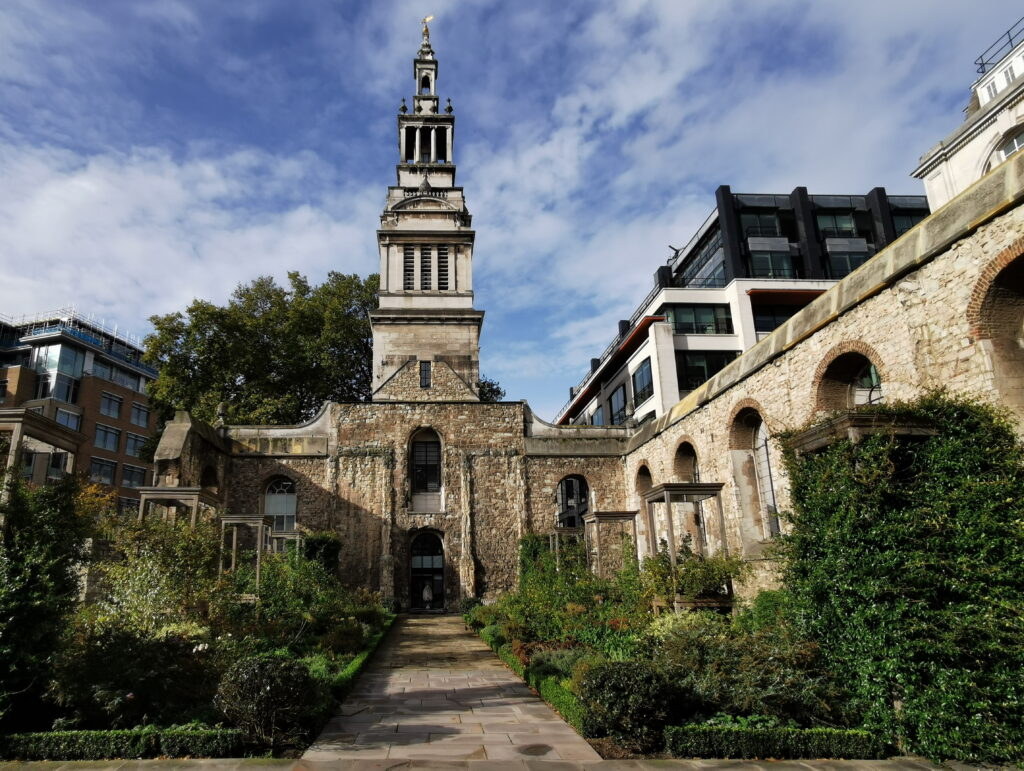
Over eight months, German bombers dropped more than 18,000 tons of high explosives on London. More than 20,000 Londoners were killed, and over a million homes were damaged or destroyed. The bombing left physical scars across the city that remain visible today—ruined church towers left as memorials, underground shelters now open to visitors, and entire neighborhoods rebuilt in the post-war era.
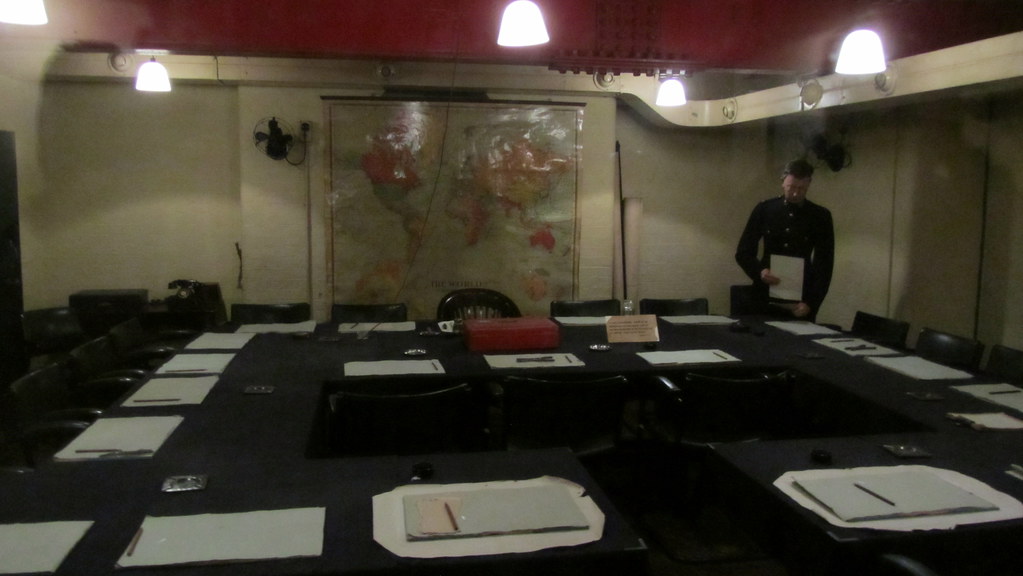
The legacy of London’s Blitz can still be explored by visitors who want to understand this dark chapter. From the preserved ruins of churches like Christ Church Greyfriars to the Churchill War Rooms where Britain’s wartime leadership coordinated the defense, the evidence of Germany’s aerial assault remains part of London’s landscape.
Reconciliation and Remembrance
Today, the relationship between Berlin and London has transformed completely. The two cities are now close partners in diplomacy, culture, and commerce. Yet the memory of the Blitz remains an important part of how both nations understand their shared history.
German leaders have visited London’s Blitz memorials to pay respects, and the narrative has evolved from one of enmity to one of reconciliation and shared commitment to peace. The Bomber Command Memorial in Green Park, unveiled in 2012, was attended by German representatives—a gesture acknowledging the suffering on all sides of the conflict.
For travelers from Germany visiting London, understanding this history adds profound depth to exploring the city. The sites associated with the Blitz are not merely tourist attractions but places of genuine historical significance that connect directly to decisions made in Berlin over 80 years ago. Walking through these preserved spaces offers a sobering reminder of the consequences of war and the value of the peace that has endured between these two great cities since 1945.
Tours & experiences in Germany


Powered by Viator. Some links are affiliate links — we may earn a small commission at no extra cost to you.