
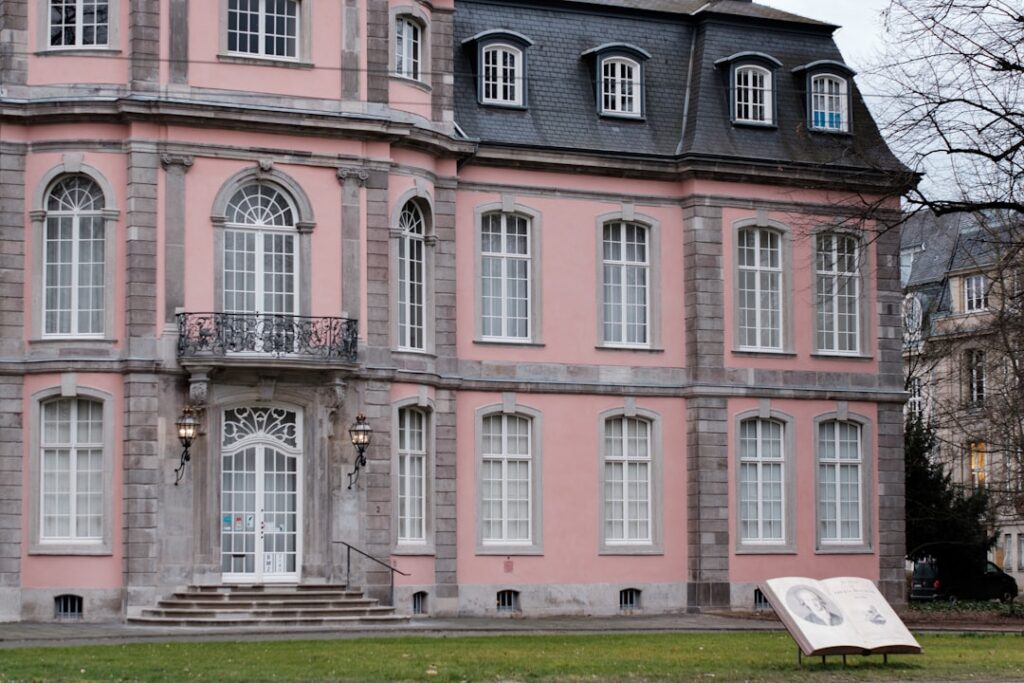
Every April, Dublin commemorates the premiere of one of history’s most famous musical works with events dedicated to George Frideric Handel. But the composer’s story connects Ireland’s capital with a small city in eastern Germany in a relationship that spans three centuries.
Handel was born Georg Friedrich Händel in Halle an der Saale in 1685. The house where he entered the world still stands on Große Nikolaistraße, now operating as the Handel House Museum. The city that shaped his early years remains deeply proud of its most famous son, hosting the annual Handel Festival every June—one of the world’s premier baroque music events.
Yet it was in Dublin, not Halle or even London where Handel made his fame, that his masterpiece received its world premiere. On 13 April 1742, Messiah was performed for the first time at Neale’s Music Hall on Fishamble Street in Dublin’s city centre. The oratorio, composed in just 24 days, was an immediate triumph. Contemporary accounts report that ladies were asked to come without hoops in their skirts and gentlemen without swords so that the 600-seat venue could accommodate as many people as possible—with some 700 squeezed in for the occasion.
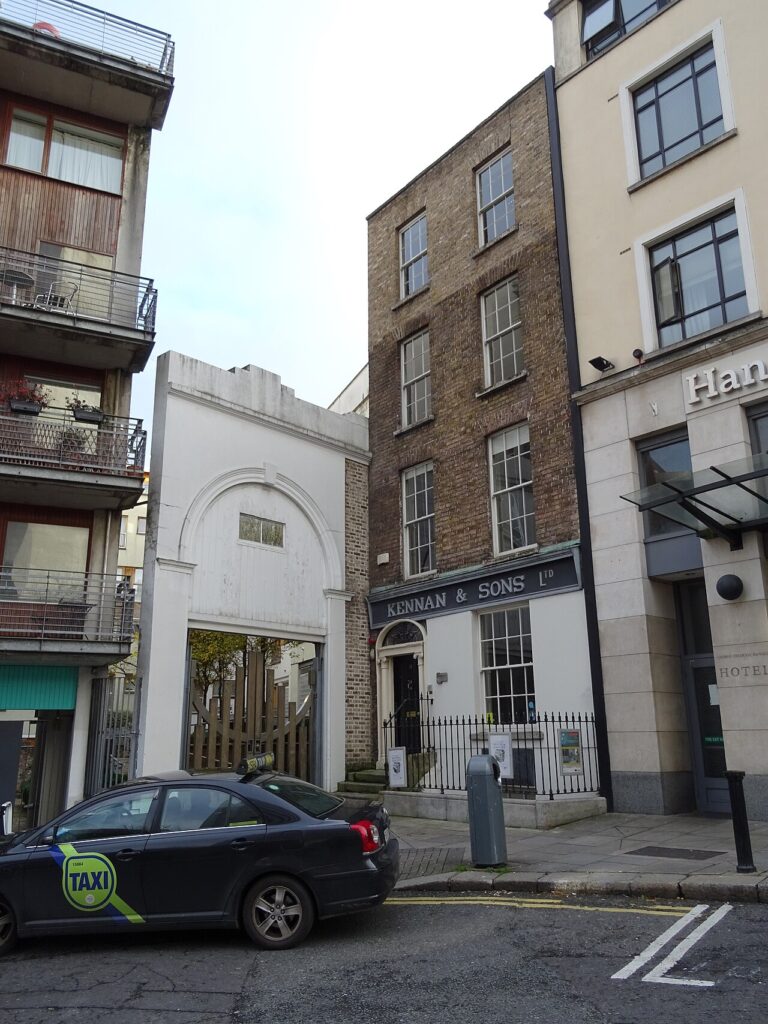
The premiere was a charitable event, raising funds for prisoners’ debt relief and local hospitals. Handel himself conducted, and the performance was so successful that it was repeated twice more before he returned to London. A commemorating plaque now marks the site on Fishamble Street, just steps from Temple Bar, where visitors can stand on the spot where musical history was made.
A Festival Born from History
Annual commemorations held around the anniversary of that first performance celebrate Handel’s connection to the city, with period instrument performances often including Messiah itself, performed in venues across Dublin’s Georgian heart. These events have become an important fixture on Dublin’s Festival Calendar, drawing baroque music enthusiasts from across Europe.
Meanwhile, in Halle, the Handel Festival has run since 1922, making it one of the oldest music festivals in Germany. The city’s connection to its native son goes beyond annual celebrations—the Handel Monument stands in the market square, and the composer’s music echoes through the baroque churches where he first learned his craft.
Two Cities, One Composer
The relationship between Halle and Dublin through Handel represents an unusual cultural bridge. While many German-Irish connections stem from 20th-century history, this one reaches back to the baroque era, when a composer from Saxony-Anhalt found his greatest initial success not in the German courts or even in London’s theatres, but in a music hall on a Dublin street.
Today, musicologists and performers travel between the two cities, sharing research and interpretations. The Handel House in Halle maintains records of the Dublin premiere, while Dublin’s commemorations often feature musicians trained in the German baroque tradition. It’s a living connection, sustained not by official twinning agreements but by shared musical heritage.
For visitors to either city, the Handel connection offers a tangible link across Europe. Stand in the Handel House in Halle where the infant composer first heard music, then walk Fishamble Street in Dublin where his greatest work first sounded—and you’ve traced a journey that changed musical history forever.
Tours & experiences in Germany


Powered by Viator. Some links are affiliate links — we may earn a small commission at no extra cost to you.