

In the grey waters off the Kerry coast on Good Friday 1916, a German ship disguised as a Norwegian trawler met a tragic end that would help seal the fate of Ireland’s most famous rebellion. The Aud, loaded with 20,000 rifles and a million rounds of ammunition from Imperial Germany, was scuttled by her own crew rather than surrendered to the British Royal Navy—and with her sank the Easter Rising’s best hope for military success.
The story begins in Berlin, where Irish revolutionary leaders had sought German support for an armed uprising against British rule. Germany, locked in the brutal stalemate of World War I, saw an opportunity to open a new front against Britain by supporting Irish independence. The Imperial German Navy prepared the Aud, a captured British vessel, loading her with Russian rifles seized on the Eastern Front and German ammunition.

Under the command of Captain Karl Spindler, the Aud departed from Lübeck on April 9, 1916, flying Norwegian colours and with her crew dressed as Norwegian sailors. Spindler navigated the treacherous journey around the north of Scotland, evading British patrols through a combination of seamanship and deception. The plan was to rendezvous with Irish rebels at Fenit Harbour in County Kerry on Easter Sunday.
But the operation was doomed by miscommunication and misfortune. The Irish rebels expected the ship on Easter Sunday, while Spindler arrived on Good Friday. Roger Casement, who had travelled separately from Germany aboard a U-boat, landed at Banna Strand on April 21st and was quickly captured. Without the promised reception party, the Aud circled off the Kerry coast, increasingly conspicuous.
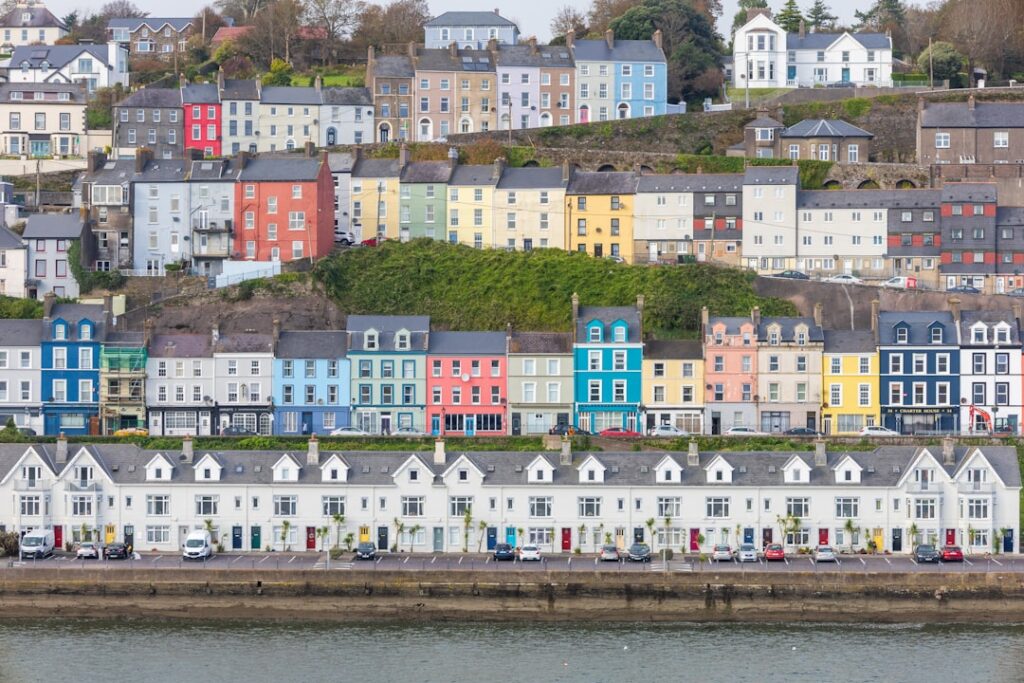
On April 21st, British naval vessels intercepted the suspicious trawler and ordered her to Cork harbour under escort. The next morning, as they approached Queenstown (now Cobh), Captain Spindler made his decision. Rather than allow the weapons to fall into British hands, he ordered the ship scuttled. The crew opened the seacocks, and the Aud sank in Cork Harbour, taking her cargo of arms to the bottom.
The loss of the German weapons shipment had immediate consequences for the Easter Rising of 1916. Without the promised rifles and ammunition, the Irish Volunteers’ military council debated whether to proceed. They ultimately decided to go ahead, but the rebellion that began on Easter Monday was critically under-armed. Many of the rebels who seized the General Post Office and other Dublin strongpoints carried only pikes, shotguns, or ageing weapons.
The Aud affair demonstrated both the extent of German support for Irish republicanism and the practical difficulties of coordinating international conspiracy in an age before reliable long-distance communication. For Germany, supporting Irish rebels was a strategic calculation in total war. For Ireland, it represented a willingness to accept help from any quarter in the struggle for independence.
Today, the wreck of the Aud lies in Cobh Harbour, a submerged monument to one of the more unusual episodes of World War I. In Lübeck, the city from which she sailed, little marks her departure. But the story of the German gun-running ship remains a fascinating footnote to both German naval history and Irish revolutionary history—a moment when the fates of two nations briefly intertwined in the cold waters off the Irish coast.
Tours & experiences in Germany


Powered by Viator. Some links are affiliate links — we may earn a small commission at no extra cost to you.