

On Holy Thursday, April 20, 1916, a German ship disguised as a Norwegian trawler arrived in Tralee Bay off the coast of County Kerry carrying a cargo that would change Irish history. The Aud, loaded with 20,000 Russian rifles and one million rounds of ammunition, had sailed from Lübeck on a secret mission to arm the Irish rebels planning an uprising against British rule.
The ship never made its rendezvous. Intercepted by the Royal Navy and scuttled by its own captain off Cobh harbour, the Aud‘s failure to deliver its weapons would prove catastrophic for the Easter Rising of 1916, the rebellion that transformed Ireland’s path to independence.
Germany’s Strategic Gamble
The German Empire’s support for Irish republicanism was born of strategic necessity during the First World War. With Britain as their primary enemy, German military intelligence saw an opportunity in Ireland’s independence movement. Roger Casement, the Irish nationalist who had been knighted by the British Crown before turning revolutionary, travelled to Berlin in 1914 to seek German support.
The result was a remarkable covert operation. The weapons shipped aboard the Aud were captured Russian rifles from the Eastern Front, refurbished at German arsenals and loaded at the port of Lübeck. The ship’s captain, Karl Spindler, navigated through British naval patrols in the North Sea and Atlantic, successfully maintaining his Norwegian disguise until reaching Irish waters.
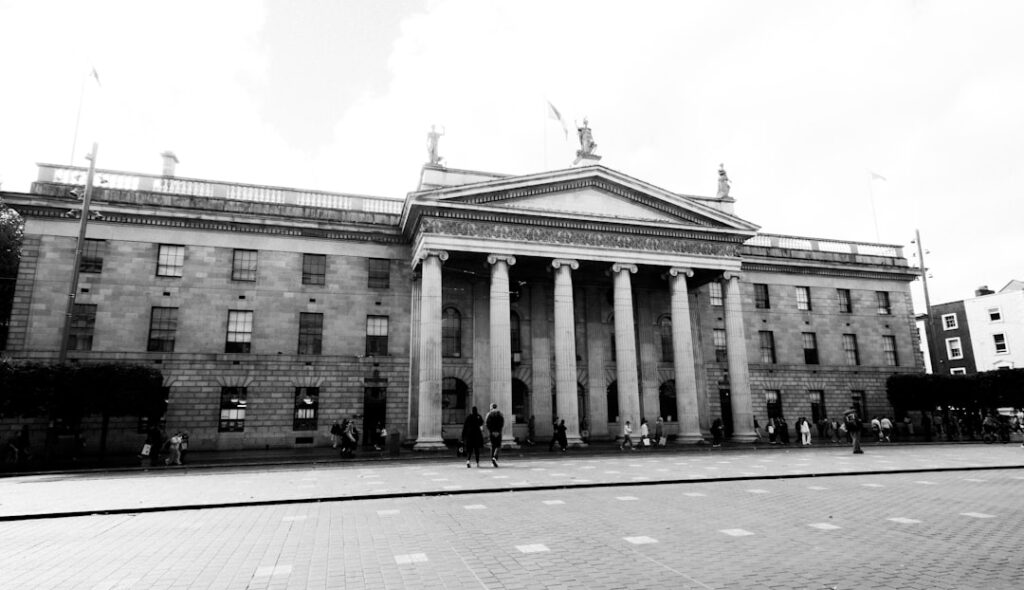
But coordination failures doomed the mission. The Aud arrived at the appointed location in Tralee Bay on April 20th, but the Irish Volunteers who were meant to meet the ship never appeared due to confusion over dates and locations. After waiting, the ship was intercepted by British naval vessels on April 21st. Rather than allow the weapons to be captured, Captain Spindler opened the sea cocks and scuttled the Aud in Cork Harbour.
The Rising Without Arms
The loss of the German weapons shipment had immediate consequences. The Irish Volunteer leaders in Dublin, knowing they would face the British Army without the promised rifles, debated whether to proceed. Many argued for cancellation, but the Military Council of the Irish Republican Brotherhood decided to go ahead regardless.
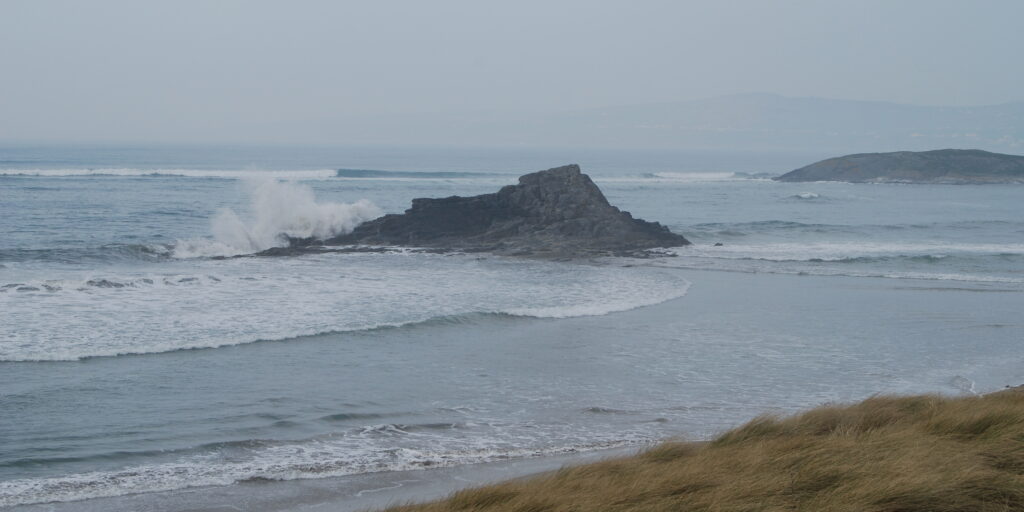
On Easter Monday, April 24th, 1916, between 1,200 and 1,500 Irish Volunteers and members of the Irish Citizen Army seized key buildings across Dublin and proclaimed an Irish Republic from the steps of the General Post Office. Vastly outgunned and outnumbered, the rebels held out for six days before surrendering. The subsequent executions of the Rising’s leaders transformed public opinion and set Ireland on an irreversible course toward independence.
Roger Casement, who had returned to Ireland aboard a German U-boat just before the Aud‘s arrival, was captured on Banna Strand in Kerry. He was tried for treason in London and hanged in August 1916.
Echoes in Both Nations
The wreck of the Aud lies in Cork Harbour to this day, a submerged monument to the German-Irish connection that shaped modern Irish history. In Germany, the mission is remembered as one of many covert operations of the First World War, though it holds particular significance in the history of German-Irish relations.
For visitors to Dublin interested in this chapter of history, the sites of the Easter Rising remain powerfully evocative. The bullet-scarred columns of the GPO still stand on O’Connell Street, and the story of those six days continues to resonate through the city’s streets and monuments—a rebellion that might have unfolded very differently had a German ship completed its mission on the Kerry coast.
Tours & experiences in Germany


Powered by Viator. Some links are affiliate links — we may earn a small commission at no extra cost to you.