

In April 1916, a disguised German cargo vessel sailed toward the Irish coast carrying 20,000 Russian rifles and a million rounds of ammunition—a shipment that could have altered the course of the Easter Rising and Irish independence. The story of the Aud remains one of the most dramatic episodes of German-Irish cooperation during World War I, and one of history’s great “what ifs.”
The Aud, originally a British steamer captured by Germany, was renamed and disguised as a Norwegian vessel for its secret mission. Under the command of Captain Karl Spindler, the ship departed from Lübeck on April 9, 1916, carrying weapons intended for Irish republican forces planning an armed uprising against British rule. The operation was the result of negotiations between Irish republican leaders and the German Empire, both of whom saw Britain as their common enemy.
The plan was meticulously coordinated with Roger Casement, the Irish nationalist who had traveled to Germany to seek support for Irish independence. Casement himself would return to Ireland aboard a German U-boat, U-19, arriving just days before the scheduled rising. But from the start, the mission was plagued by miscommunication and misfortune.
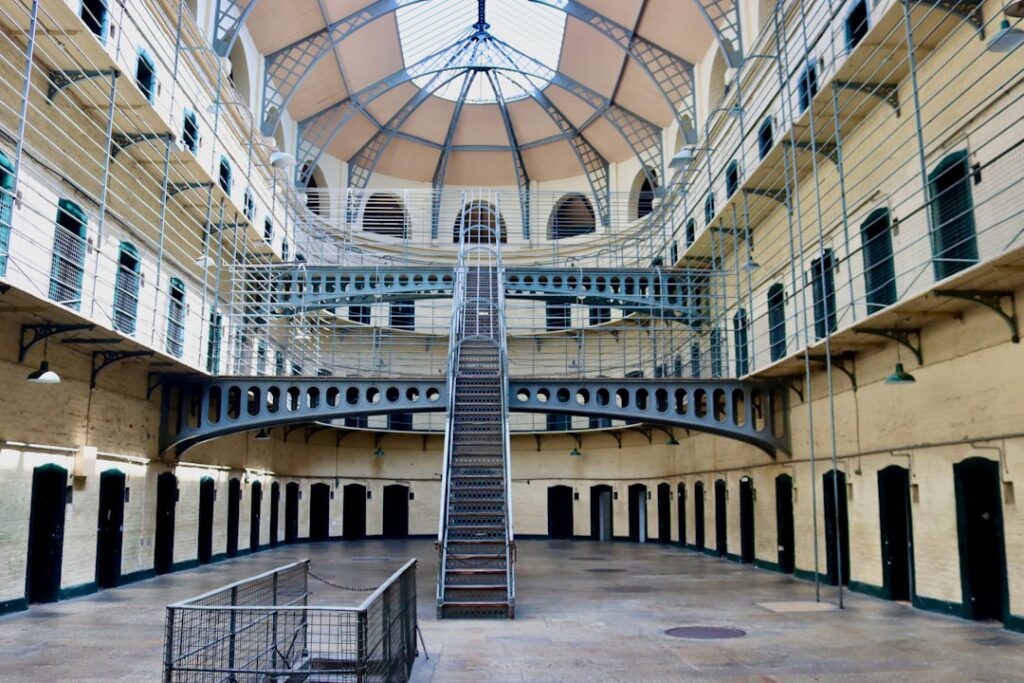
The Aud arrived off the Kerry coast on April 20, 1916—two days earlier than the Irish Volunteers expected. Captain Spindler waited in Tralee Bay, sailing in circles and growing increasingly anxious as no contact came from shore. Unknown to him, the landing plans had fallen into confusion, with conflicting orders and British intelligence already aware that something was afoot.
British naval vessels intercepted the Aud on April 21. Rather than allow the weapons to fall into British hands, Captain Spindler scuttled his own ship on April 22 near Daunt Rock at the entrance to Cork Harbor. The 20,000 rifles sank, and with them, perhaps the Easter Rising’s best chance of military success.
Roger Casement, who had come ashore from the U-boat at Banna Strand in Kerry, was captured within hours. He was later tried for treason and hanged in London in August 1916. The loss of the German weapons shipment was a catastrophic blow to the military preparations for the Easter Rising of 1916, which proceeded anyway in Dublin just days later with far fewer arms than planned.

The Rising, which began on Easter Monday, April 24, saw Irish republicans seize key buildings across Dublin and declare an Irish Republic. Without the German weapons, the rebels were critically under-armed. The insurrection lasted six days before being crushed by overwhelming British military force, with much of central Dublin left in ruins.
Today, the wreck of the Aud lies off the Cork coast, a submerged memorial to this extraordinary German-Irish collaboration. In Germany, Captain Spindler later wrote a memoir of his mission, ensuring the story would not be forgotten. The episode remains a fascinating footnote in both German naval history and the story of Irish independence—a reminder of how a single shipment, delayed by just two days, might have changed the course of a nation’s history.
The weapons never reached Dublin, but the Rising proceeded regardless, becoming the pivotal moment that ultimately led to Irish independence five years later.
Tours & experiences in Germany


Powered by Viator. Some links are affiliate links — we may earn a small commission at no extra cost to you.