
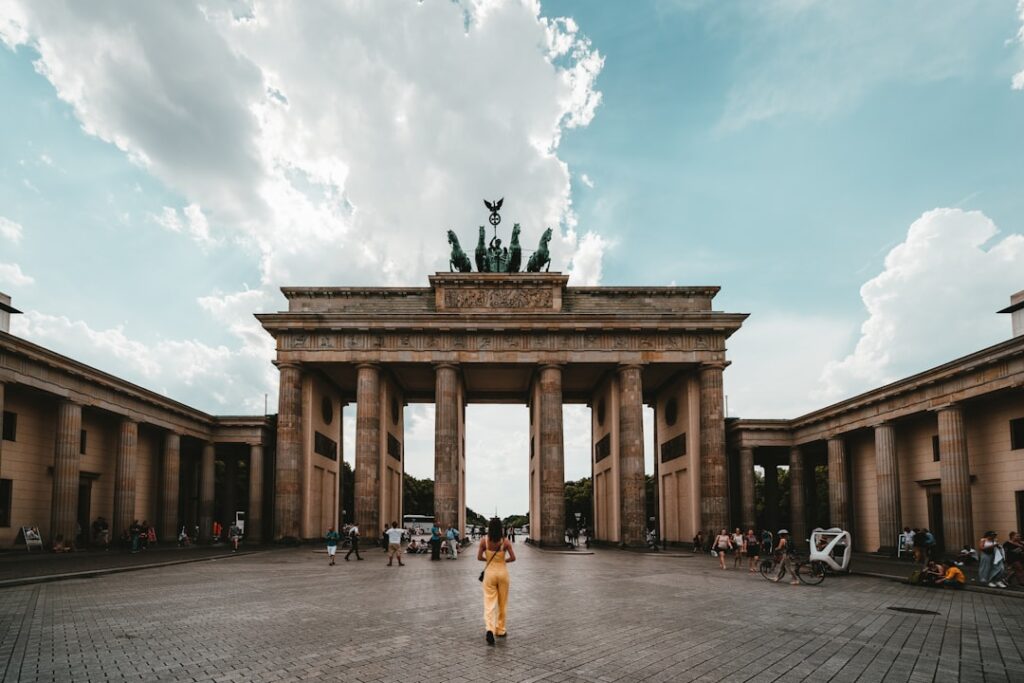
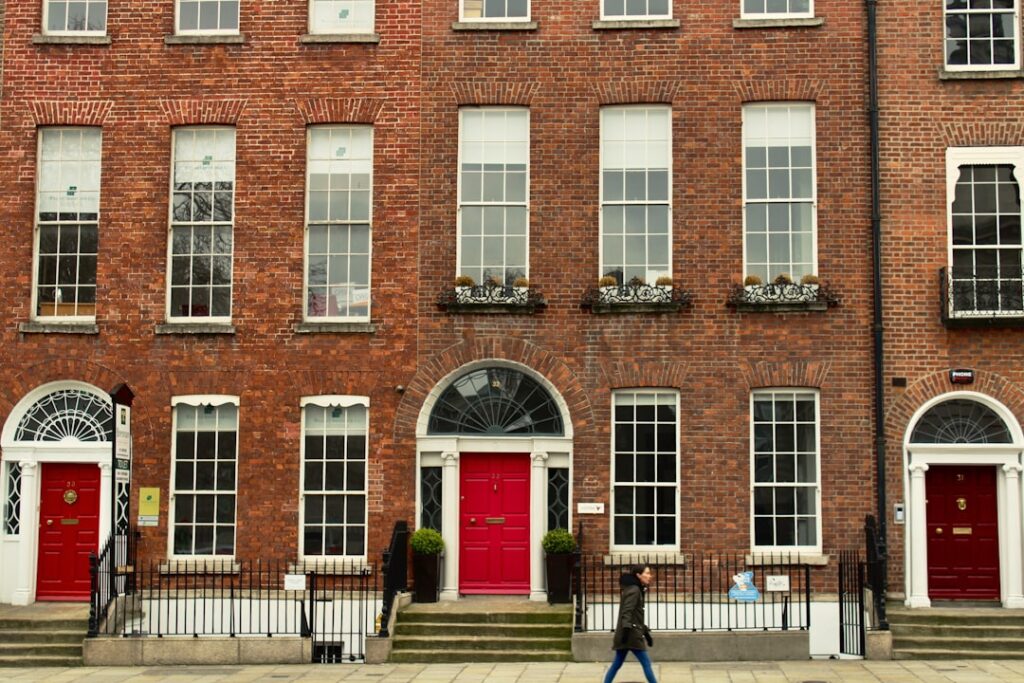
In a Georgian townhouse on St Stephen’s Green, among thousands of donated objects telling Dublin’s story, sits a concrete fragment that once divided a city and a continent. The Little Museum of Dublin holds a piece of the Berlin Wall—a tangible connection between Ireland’s capital and one of the most significant moments in modern German history.
The museum acquired the Berlin Wall segment through donation, like nearly all of its 5,000 objects. This particular piece of Cold War history arrived in Dublin as part of the global dispersal of Wall fragments after 1989, when the barrier that had split Berlin for 28 years was dismantled by jubilant crowds armed with hammers and chisels.
From Division to Diaspora
The presence of Berlin Wall fragments in cities worldwide reflects both the monument’s physical destruction and its symbolic power. After reunification, pieces of the Wall were distributed to museums, institutions, and public spaces across the globe as reminders of division overcome. Dublin’s fragment represents Ireland’s connection to this pivotal European moment—a nation that, while neutral during the Cold War, watched Germany’s division and reunification with keen interest.
The Irish relationship with Germany extends deep into the 20th century. During the Second World War, Ireland maintained neutrality while thousands of Irish citizens served in British forces fighting against Nazi Germany. In the post-war decades, as West Germany rebuilt and East Germany remained behind the Iron Curtain, Ireland developed strong economic and cultural ties with the Federal Republic, particularly as both nations became founding members of what would become the European Union.
A Museum Built by Donation
The Berlin Wall piece fits perfectly within The Little Museum of Dublin’s distinctive character. Founded in 2011, the museum was built entirely through public donation—Dubliners contributing objects that told their city’s 20th-century story. From vintage advertising to political memorabilia, from U2 concert tickets to letters from the 1916 Rising, each item arrived with its own story.
The Berlin Wall fragment adds an international dimension to this deeply local collection. It reminds visitors that Dublin’s history unfolded not in isolation but as part of broader European currents—the Cold War, European integration, and the eventual reunification of a divided continent.
Concrete Memory
The Wall segment on display is modest in size, as most dispersed pieces are. Covered in layers of graffiti like much of the western side of the original barrier, it represents both the physical reality of Cold War division and the creative resistance that flourished despite it. West Berliners transformed their side of the Wall into the world’s longest canvas; the eastern side, heavily guarded and inaccessible, remained blank.
For German visitors to Dublin, encountering a piece of the Berlin Wall in an Irish museum offers an unexpected moment of connection. For Irish visitors, it provides a tangible link to a European history that shaped the continent they inhabit. The fragment serves as a reminder that the fall of the Wall wasn’t merely a German or even a European event—it was a global moment of hope that resonated from Berlin to Dublin and beyond.
Today, as The Little Museum of Dublin continues its mission of telling the city’s story through donated objects, the Berlin Wall fragment stands as evidence of how local histories intersect with international events, and how a piece of concrete from a divided German city can find meaningful context in a Georgian townhouse thousands of kilometres away.
Tours & experiences in Germany


Powered by Viator. Some links are affiliate links — we may earn a small commission at no extra cost to you.