
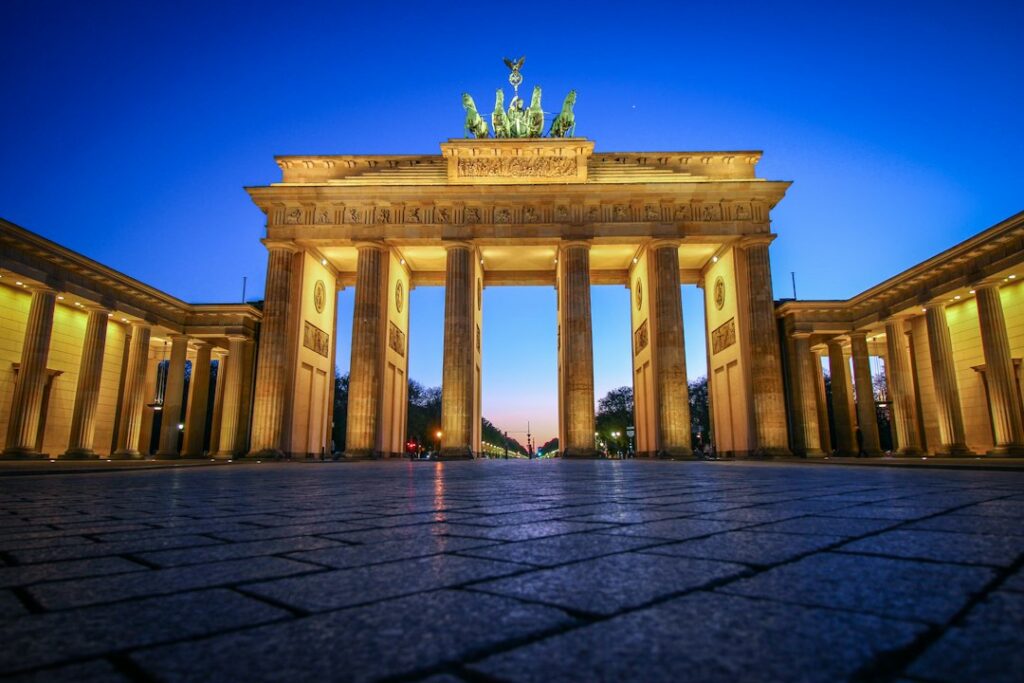
Every winter, millions gather at Rockefeller Center to witness the lighting of New York’s most famous Christmas tree. While this has become an iconic American tradition, the broader Christmas tree custom itself has German origins that German immigrants brought to America throughout the 19th century.
The modern Christmas tree tradition originated in Germany, where decorated evergreens became central to holiday celebrations by the 16th century. According to widely held belief, German Protestant reformer Martin Luther added lighted candles to trees, though this story is considered more legend than documented history.
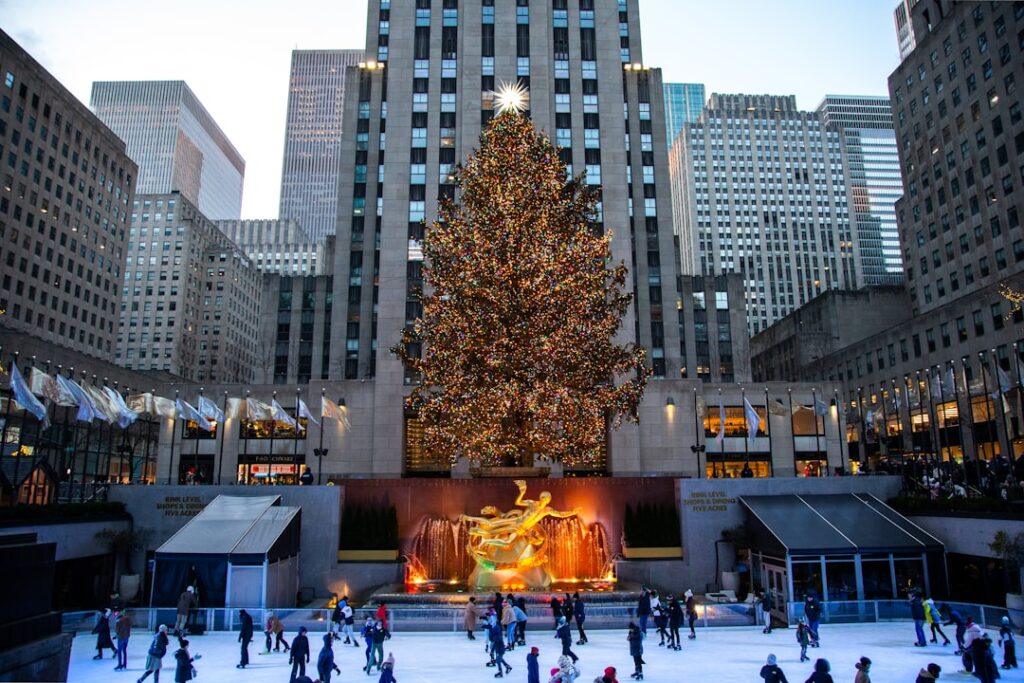
When German immigrants arrived in America throughout the 19th century, they brought this cherished tradition with them. German settlers introduced Christmas trees to various American communities, and by the 1850s, German-American families were selling Christmas trees on New York street corners, helping transform what had been a German custom into an American phenomenon.
The Rockefeller Center Christmas tree tradition began in 1931 during the Great Depression, when construction workers building the complex erected a small tree and decorated it with handmade ornaments as a morale booster. The practice became official in 1933, and the annual tree lighting ceremony has since become one of New York’s most beloved winter rituals.
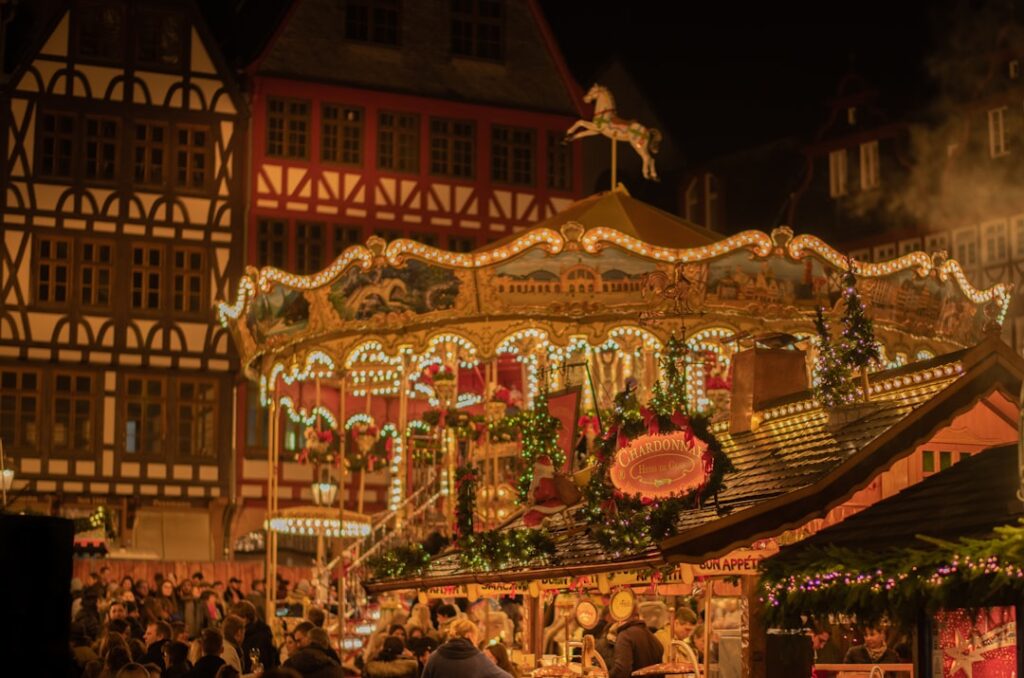
The Christmas markets that now appear across New York City in winter are directly modeled on Germany’s famous Christkindlmarkt tradition, which dates back to the Middle Ages. These markets, featuring wooden stalls selling handcrafted ornaments, gingerbread, and mulled wine, first appeared in German cities like Nuremberg and Dresden.
The German-American Christmas Legacy
Beyond the tree itself, many Christmas customs in America trace their origins to Germany. The advent calendar, gingerbread houses, and even the figure of Santa Claus owe debts to German traditions. The modern image of Santa Claus evolved partly from the German figure of Saint Nicholas, reimagined by German-American illustrator Thomas Nast in the 1860s.
Today’s visitors experiencing New York City in winter encounter traditions that German immigrants helped establish in America. The twinkling lights, decorated evergreens, and festive markets that define the city’s holiday season all echo the Christmas celebrations of German towns and villages.
The Christmas tree custom, practiced in German forests and parlors for centuries before arriving in America, became one of the most visible and enduring contributions German culture made to American life—a living tradition that continues to bring light to the darkest days of winter.
Tours & experiences in Germany


Powered by Viator. Some links are affiliate links — we may earn a small commission at no extra cost to you.