

Long before the great wave of Eastern European Jewish immigration transformed New York City at the turn of the 20th century, another Jewish community had already established itself in Manhattan: German Jews. Between 1820 and 1880, approximately 250,000 German Jews fled persecution and economic hardship to start new lives in America, with many settling in what would become New York’s Lower East Side and beyond.
These German-Jewish immigrants, known as Jeckes in later Yiddish parlance, arrived with different circumstances than their Eastern European counterparts who would follow. Many came from middle-class backgrounds, brought capital and business experience, and quickly established themselves in commerce, particularly in the garment trade that would define New York’s economy for generations.
Building a Community in Manhattan
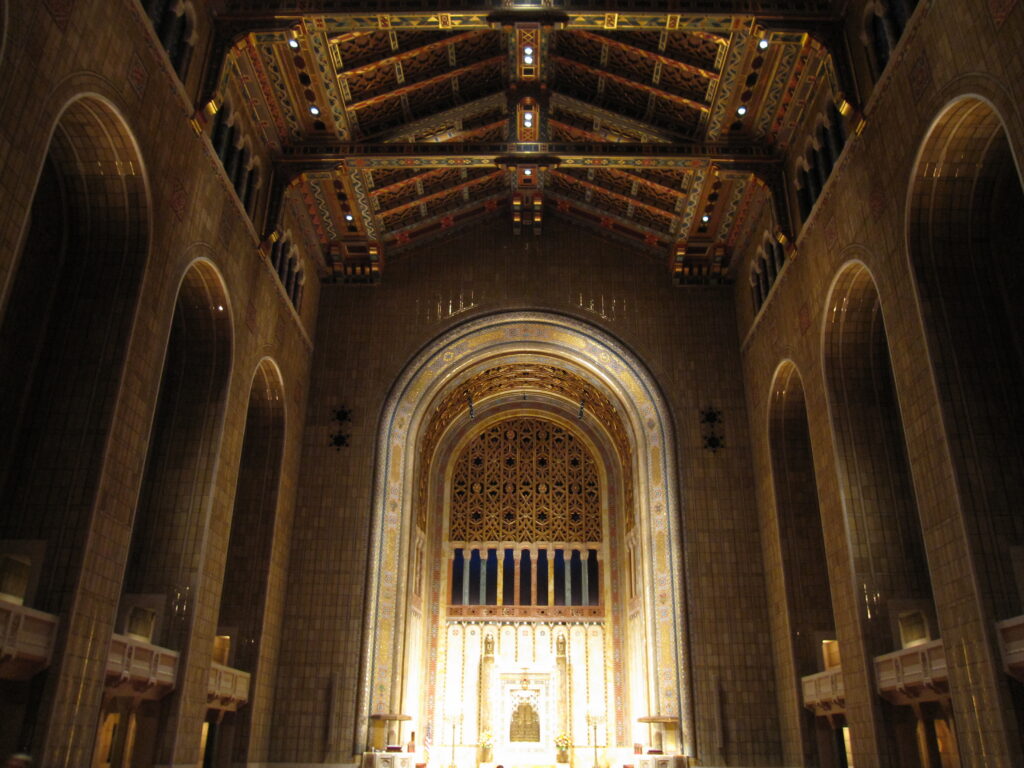
The German Jews initially settled around the Kleindeutschland (Little Germany) neighbourhood on the Lower East Side, though they soon spread to other areas including the Upper East Side as they prospered. They founded some of New York’s most enduring institutions: Temple Emanu-El, established in 1845 by German-Jewish immigrants, became one of the city’s most prominent Reform synagogues. The Educational Alliance, founded in 1889 by established German Jews, was created partly to help acculturate the newer wave of Eastern European immigrants.
German-Jewish merchants like the Straus family (who would later own Macy’s), the Lehmans (who founded Lehman Brothers), and the Guggenheims transformed not only New York’s commercial landscape but American business itself. These families maintained connections to their German heritage even as they became pillars of New York society.
The Complex Legacy
The relationship between German Jews and the later arrivals from Eastern Europe was complicated. The established German-Jewish community, largely Reformed and assimilated, sometimes viewed the Orthodox, Yiddish-speaking newcomers with ambivalence. Yet they also provided crucial support through charitable organizations and settlement houses. The Lower East Side That Jewish Immigrants Built tells the story of those Eastern European arrivals, but the groundwork had been laid decades earlier by their German-Jewish predecessors.
Today, the German-Jewish contribution to New York is visible throughout the city. The Museum of Jewish Heritage in Battery Park City documents these immigration waves, while the Leo Baeck Institute on 16th Street preserves the history of German-speaking Jewry. Many synagogues founded by German Jews still stand, though their congregations have evolved over generations.
Visiting the German-Jewish Heritage Sites
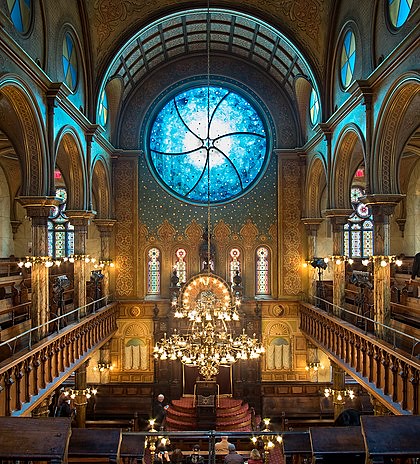
Travellers interested in this connection can visit several key sites. Temple Emanu-El on Fifth Avenue remains a stunning example of Moorish Revival architecture and continues as an active congregation. The Eldridge Street Synagogue, while founded by Eastern European Jews, represents the neighbourhood where German Jews first established their community. The Tenement Museum offers context for understanding how different waves of immigration, including from Germany, shaped the Lower East Side.
The story of German-Jewish immigration to New York represents a crucial chapter in both German and American history—a reminder that the ties between these two places run deep, forged by individuals seeking freedom, opportunity, and a new home across the Atlantic.
Tours & experiences in Germany


Powered by Viator. Some links are affiliate links — we may earn a small commission at no extra cost to you.