
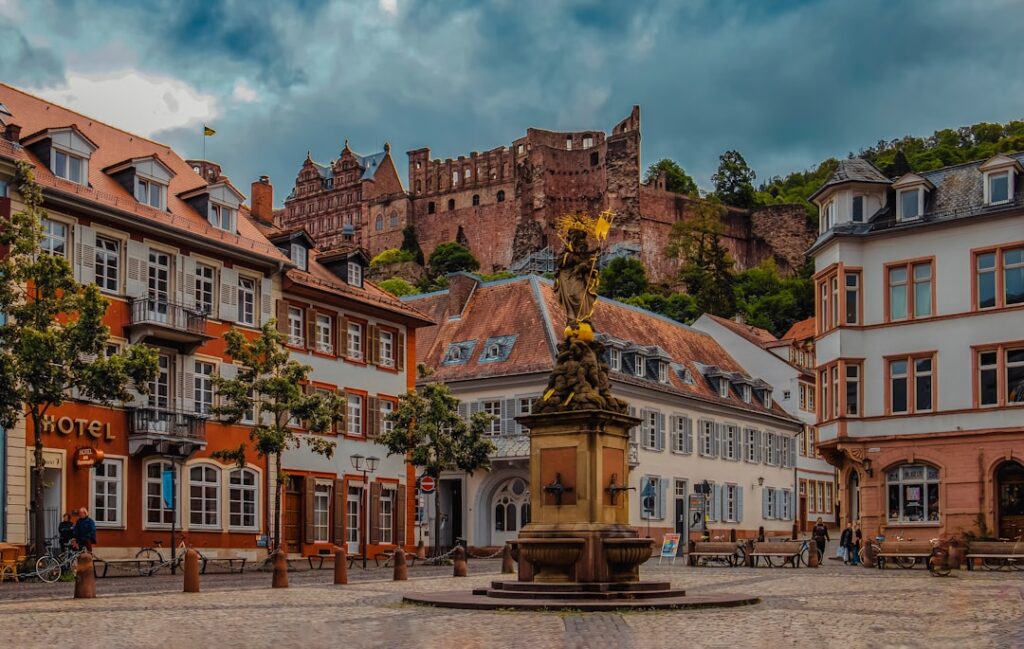
Between 1880 and 1924, more than two million Eastern European Jews fled persecution and poverty, with hundreds of thousands passing through Germany or emigrating directly from German territories. Their destination: America. And for most, their first home in the New World was a crowded tenement on New York’s Lower East Side.
This migration transformed both places forever. Germany, which had been home to one of Europe’s most vibrant Jewish communities, saw waves of refugees from the Russian Empire and the Pale of Settlement pass through Hamburg and Bremen—the two great emigration ports. Meanwhile, German Jews who had arrived in America decades earlier often served as aid workers, translators, and benefactors to the newer, Yiddish-speaking arrivals.
The German-Jewish Connection
The story is more complex than a simple east-to-west journey. German Jews had emigrated to New York in earlier waves during the 1840s and 1850s. These German Jews—often more assimilated and economically established—founded aid societies including the Hebrew Emigrant Aid Society to help the Eastern European newcomers.
The relationship was sometimes tense. The established German-Jewish community worried that the influx of poor, Orthodox, Yiddish-speaking Jews would trigger antisemitism. Yet they also felt a deep responsibility. They funded settlement houses, English classes, and job training programs throughout the Lower East Side.
The Hamburg-America Line and the Journey
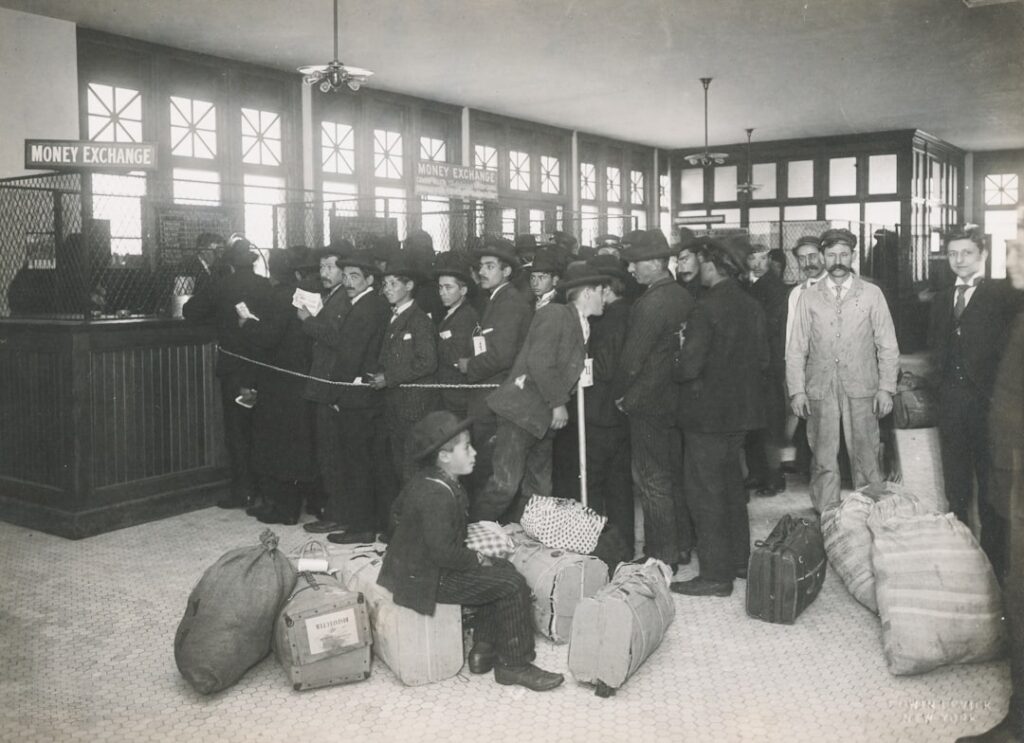
Most Jewish emigrants travelled via the Hamburg-America Line (HAPAG) or North German Lloyd from Bremen. Hamburg’s emigration halls processed thousands weekly. The journey across the Atlantic in steerage class took up to two weeks, and families arrived at Ellis Island with little more than their belongings tied in bundles.
From Ellis Island, most made their way directly to the Lower East Side—the densest neighbourhood in the world by 1910, with over 500,000 residents packed into a few square miles. Here, in the streets around Hester, Orchard, and Delancey, they recreated fragments of the world they’d left behind: synagogues, Yiddish theatres, bakeries, and mutual aid societies.
Visiting the Legacy Today
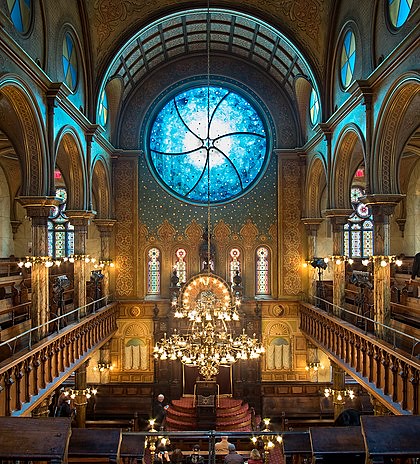
Today, visitors to New York can trace this German-Jewish migration story through the Lower East Side that Jewish immigrants built. The Tenement Museum on Orchard Street recreates the lives of immigrant families, including German-Jewish aid workers who helped newcomers adjust. Eldridge Street Synagogue was built by Eastern European Jews who had passed through German ports.
Meanwhile, in Germany, cities like Hamburg and Berlin have preserved emigration museums and memorials. Hamburg’s BallinStadt Emigration Museum stands on the site of the former emigration halls, telling the stories of five million people who left Europe through this port—including countless Jews bound for New York.
The connection between Germany and New York’s Jewish history is not simple or singular. It encompasses refuge and transit, assistance and tension, loss and new beginnings. But it remains one of the most significant migration stories in modern history, one that shaped the character of both places for generations to come.
Tours & experiences in Germany


Powered by Viator. Some links are affiliate links — we may earn a small commission at no extra cost to you.