
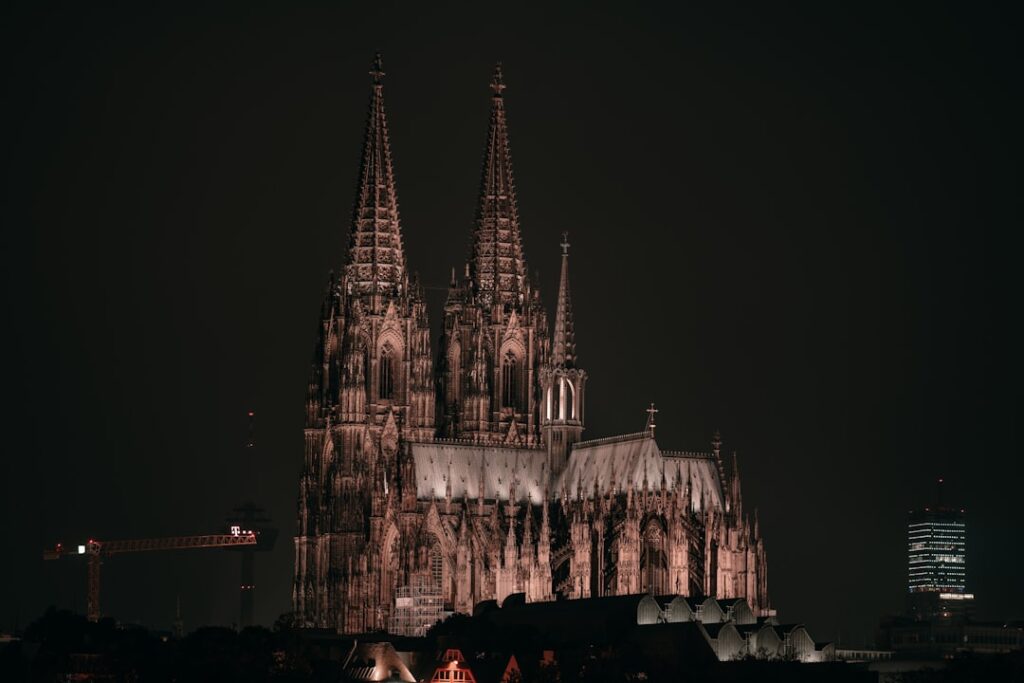
Between 1820 and 1920, more than five million Germans emigrated to the United States, making them the largest single European immigrant group to cross the Atlantic. The majority passed through New York City, and countless families settled permanently in Manhattan, Brooklyn, and beyond. Today, their descendants number in the tens of millions across America, and New York remains the single most important gateway for anyone seeking to trace their roots to New York City.
The journey typically began in the port cities of Hamburg and Bremen, where steamship companies competed fiercely for emigrant business. Families from Bavaria, the Rhineland, Saxony, and Prussia travelled by rail to these northern ports, often spending days in crowded emigrant halls before boarding vessels bound for America. The crossing could take anywhere from ten days to three weeks, depending on the ship and the weather.
Castle Garden and Ellis Island
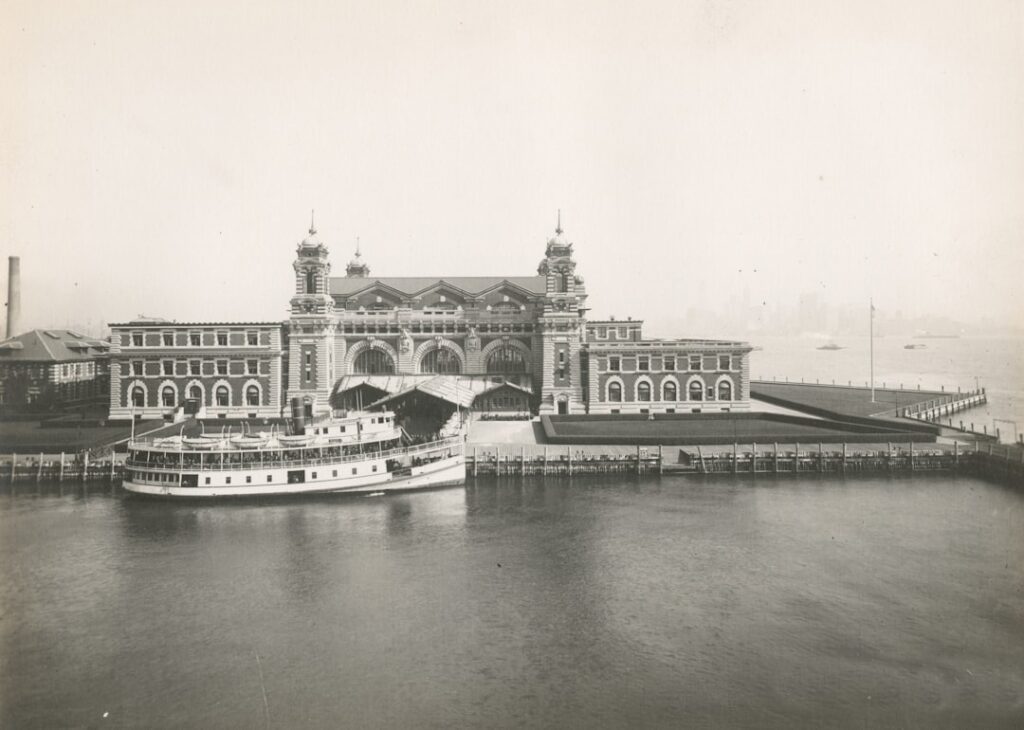
Before 1892, German immigrants were processed at Castle Garden at the southern tip of Manhattan, where officials recorded names, ages, occupations, and places of origin. After 1892, the process moved to Ellis Island, where the great registry hall became the first American soil for millions of German-speaking newcomers. Records from both facilities are now digitised and searchable, making them invaluable resources for genealogical research.
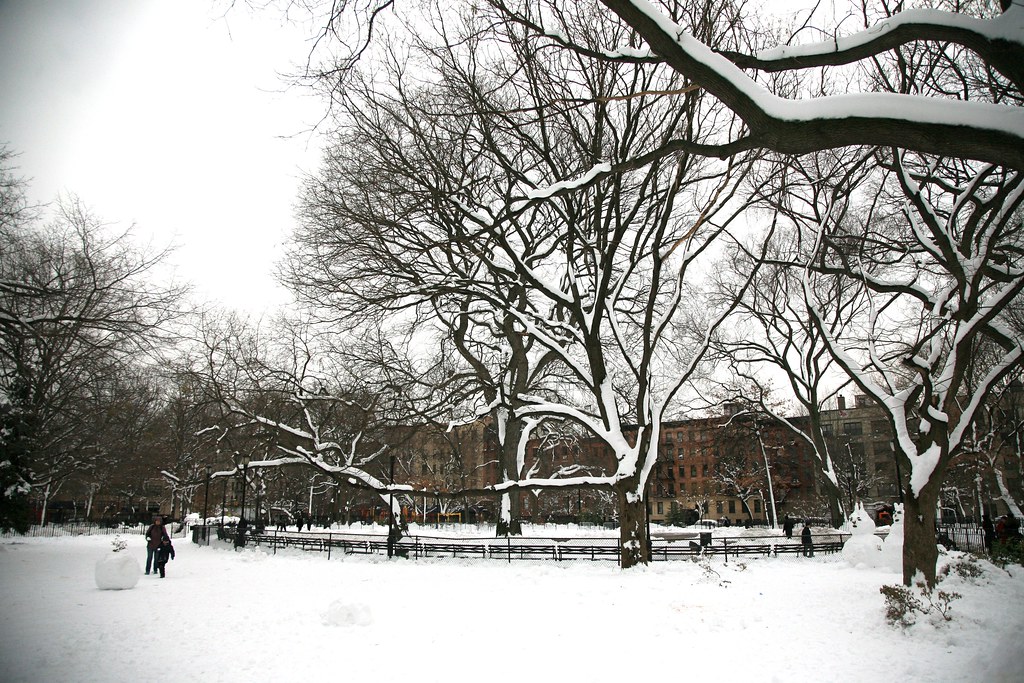
Many Germans settled in what became known as Kleindeutschland—Little Germany—on the Lower East Side of Manhattan. By the mid-1850s, this neighbourhood was home to tens of thousands of German speakers, with its own churches, beer gardens, newspapers, and social clubs. Tompkins Square Park became the heart of German communal life, hosting festivals and political gatherings.
Beyond Manhattan
German immigrants also established thriving communities in Brooklyn, particularly in Williamsburg and Bushwick, where breweries and manufacturing provided employment. The names of streets and the architecture of churches still bear witness to this heritage. Yorkville, on Manhattan’s Upper East Side, became another major German enclave by the late nineteenth century, with its own constellation of restaurants, bakeries, and cultural institutions.
The German-American community made profound contributions to New York’s cultural and economic life. They established the city’s brewing industry, founded major cultural institutions including the Metropolitan Opera, and played leading roles in labour movements and progressive politics. German-language newspapers like the New-Yorker Staats-Zeitung wielded considerable influence well into the twentieth century.
Tracing Your German-New York Heritage
For descendants seeking to research their German-American ancestors, New York offers exceptional resources. The New York Public Library holds extensive immigration records, naturalisation papers, and German-language newspapers. The Leo Baeck Institute specialises in German-Jewish heritage, while the Goethe-Institut maintains cultural and historical archives.
Parish records from German Lutheran and Catholic churches throughout the city provide baptismal, marriage, and burial information that can connect families across generations. Many of these churches maintain historical archives accessible to researchers.
Walking tours of former German neighbourhoods reveal layers of history often hidden in plain sight. The tombstones at Lutheran All Faiths Cemetery in Queens tell stories of nineteenth-century arrivals, while the Ottendorfer Branch of the New York Public Library on Second Avenue stands as a monument to German-American philanthropy.
The connection between Germany and New York is not merely historical—it remains living heritage for millions of families on both sides of the Atlantic, waiting to be discovered in archives, churches, and the streets themselves.
Tours & experiences in Germany


Powered by Viator. Some links are affiliate links — we may earn a small commission at no extra cost to you.