
Meissen sits on the Elbe River where Saxony’s wine country begins, a compact medieval town famous worldwide for its porcelain but equally rewarding for its castle, cathedral, and cobblestone Altstadt. Most visitors arrive from Dresden—a 35-minute regional train ride or a leisurely river cruise—and find a quieter, less touristy Saxon gem that rewards a full day of exploration.
The town’s skyline is unmistakable: the twin Gothic spires of the cathedral and the Albrechtsburg castle rise together on a rocky bluff above the river, visible from the moment you step off the train.
The Porcelain Manufactory: Europe’s First
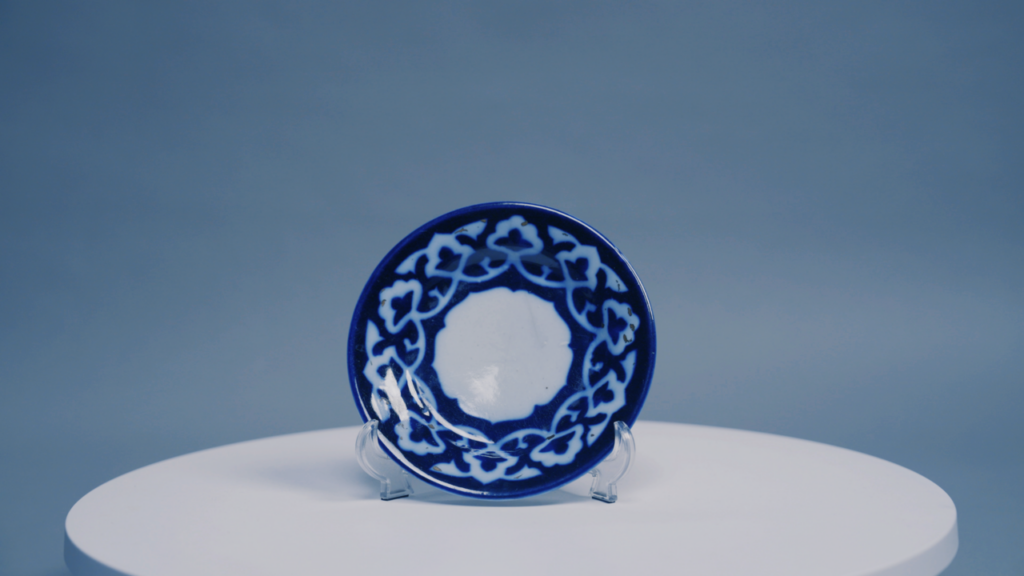
The Meissen Porcelain Manufactory has been producing its signature white-and-blue porcelain since 1710, when alchemist Johann Friedrich Böttger unlocked the formula for true porcelain in Europe. The factory still operates in a purpose-built complex on the Triebischtal hillside, about a 15-minute walk from the Altstadt.
Guided tours take you through the demonstration workshops where painters apply the famous crossed swords mark by hand, and sculptors shape delicate figurines using techniques unchanged for three centuries. The museum galleries display historical pieces—ornate dinner services commissioned by Augustus the Strong, Rococo shepherdesses, and Art Nouveau vases—that trace European decorative taste across the ages.
Plan at least two hours here. The factory shop sells current production pieces (expensive, but authentic), and there’s a café with Elbe views. Book tours in advance during summer and around Christmas; walk-ins are possible but not guaranteed. Admission includes the museum and a demonstration tour.
Albrechtsburg Castle and the Cathedral
Climb the Burgberg to reach the castle and cathedral complex, Meissen’s historic heart. The Albrechtsburg, completed in 1524, is considered Germany’s oldest castle built purely as a noble residence rather than a fortress. Its late-Gothic spiral staircases, vaulted Great Hall, and frescoed chambers are architectural marvels—airy, elegant, and surprisingly modern in design.
For nearly 150 years, the castle housed the porcelain manufactory before it moved to its current site. Today, it’s a museum of Saxon history with exhibits on the Wettin dynasty and the building’s own storied past.
Next door, the Cathedral of St. John and St. Donatus is pure High Gothic, with original 13th-century sculpture on the west portal and soaring interior spaces lit by medieval stained glass. Climb the south tower (it’s a workout) for panoramic views over the Elbe Valley, the vineyards, and the red rooftops below.
A combination ticket covers both the castle and cathedral. Budget 90 minutes to two hours to explore both thoroughly.
The Altstadt and Meissen’s Wine Taverns
Meissen’s old town is a tangle of narrow lanes lined with Renaissance townhouses, many with original painted facades and carved doorways. Start at the Marktplatz, where the late-Gothic Rathaus and the Frauenkirche face each other across the cobbles. The Frauenkirche’s porcelain carillon chimes six times daily, its 37 bells made—of course—at the Meissen manufactory.
The town sits at the northern edge of Saxony’s small but respected wine region, and the steep vineyards on the castle hill produce dry whites, especially Müller-Thurgau and Weißburgunder. Several wine taverns (Weinstuben) in the Altstadt pour local bottles alongside Saxon specialties like Sauerbraten and Quarkkäulchen (fried quark pancakes).
Try Vincenz Richter, a half-timbered house on An der Frauenkirche that’s been a tavern since 1523, or Domkeller beneath the cathedral terrace. Both offer Saxon wine flights and tables that spill onto the lanes in warm weather.
Getting There and Practical Tips
Regional trains (S-Bahn S1) connect Dresden Hauptbahnhof and Meissen Triebischtal roughly every 30 minutes; the journey takes about 35 minutes. Meissen Triebischtal station is closest to the porcelain factory, while Meissen Altstadt station drops you near the town center. A day ticket covers both stations and costs around €8.
Alternatively, paddle steamer services run upriver from Dresden’s Terrassenufer landing to Meissen between April and October—a scenic three-hour journey one-way, ideal if you want to cruise up and train back.
The town is walkable, though the climb to the castle is steep. Wear comfortable shoes. Most sights close on Mondays. In December, Meissen hosts a charming Christmas market on the Marktplatz and castle forecourt, less crowded than Dresden’s but equally atmospheric.
Meissen rewards slow exploration—porcelain, wine, architecture, and river views in one compact, deeply Saxon package. It’s the kind of place that feels like a discovery, even when you arrive with a plan.
Want more stories like this, delivered daily? Subscribe to the Love Germany newsletter—one short story a day, straight to your inbox.
Tours & experiences in Germany


Powered by Viator. Some links are affiliate links — we may earn a small commission at no extra cost to you.