
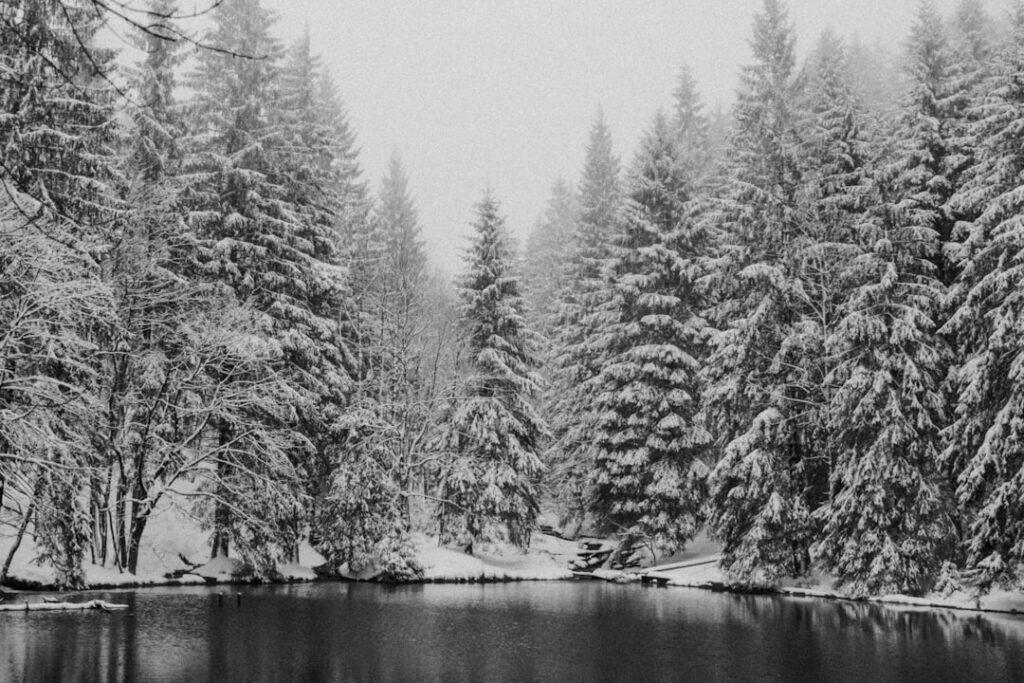
The Black Forest, or Schwarzwald in German, stretches across southwestern Germany like a living fairy tale. This mountainous region in Baden-Württemberg covers nearly 6,000 square miles of dense evergreen forests, charming villages, cascading waterfalls, and rolling hills that have inspired countless legends and stories. More than just a picturesque landscape, the Black Forest is a cultural treasure trove where centuries-old traditions thrive alongside modern tourism, offering visitors an authentic glimpse into Germany’s heartland.
The region earned its evocative name from the dense canopy of towering fir and pine trees that create dark, mysterious forests—the kind that inspired the Brothers Grimm to pen their most famous tales. Today, the Black Forest remains one of Germany’s most beloved destinations, attracting hikers, nature lovers, and culture enthusiasts from around the world who come to experience its unique blend of natural beauty and traditional craftsmanship.
What Makes the Black Forest Special
The Black Forest’s appeal lies in its remarkable diversity. In the northern Black Forest, you’ll find gentle hills perfect for leisurely walks and spa towns like Baden-Baden, renowned for its thermal baths and belle époque architecture. The central region around Triberg boasts Germany’s highest waterfalls, plunging 535 feet through seven cascades, while traditional farmhouses with their distinctive oversized roofs dot the landscape.
The southern Black Forest reaches its highest point at Feldberg, standing 4,898 feet tall, offering spectacular hiking in summer and skiing in winter. Lake Titisee and Lake Schluchsee provide opportunities for swimming, sailing, and waterside relaxation surrounded by forest-clad shores.
This is also the birthplace of the cuckoo clock, and you’ll find workshops throughout the region where master craftsmen still create these intricate timepieces by hand using techniques passed down through generations. The Black Forest Open Air Museum Vogtsbauernhof near Gutach showcases six fully furnished farmhouses dating from the 16th to 19th centuries, offering fascinating insights into traditional rural life.
And yes, the original Black Forest cake—Schwarzwälder Kirschtorte—comes from here. This decadent dessert of chocolate sponge cake, whipped cream, cherries, and kirsch (cherry brandy) tastes infinitely better when enjoyed in its homeland, preferably at a traditional café with forest views.
Top Experiences and Activities
Hiking is the quintessential Black Forest experience, with over 14,000 miles of marked trails ranging from gentle valley walks to challenging mountain ascents. The Westweg, a 177-mile trail from Pforzheim to Basel, ranks among Germany’s finest long-distance hiking routes, though you can easily tackle shorter sections. For a family-friendly option, try the circular trail around Lake Mummelsee, a glacial lake steeped in local mythology.
The scenic Black Forest Railway (Schwarzwaldbahn) between Offenburg and Konstanz is an attraction in itself, winding through 39 tunnels and across numerous viaducts with breathtaking views. Consider taking the train one way and hiking back along parallel trails.
Don’t miss Triberg, home to the famous waterfalls and the world’s largest cuckoo clock—a fully functional timepiece housed in a building you can actually enter. The town’s main street is lined with shops selling everything from cuckoo clocks to traditional Black Forest ham and wooden carvings.
For wine enthusiasts, the Baden Wine Road along the Black Forest’s western edge offers excellent opportunities to sample local Rieslings and Spätburgunders (Pinot Noirs) at family-run wineries. The town of Gengenbach, with its perfectly preserved medieval center, serves as an ideal base for wine exploration.
Planning Your Visit
The Black Forest is easily accessible from several major cities. Freiburg im Breisgau, the region’s largest city, serves as the primary gateway and makes an excellent base with its historic old town, lively student atmosphere, and convenient location. The city is well-connected by train from Frankfurt (2 hours), Munich (4.5 hours), and Stuttgart (2 hours). Baden-Baden in the north and Konstanz in the south offer alternative entry points.
Once in the region, renting a car provides maximum flexibility to explore remote valleys and villages, though an extensive bus network connects major attractions for those relying on public transportation. The KONUS guest card, provided free by many hotels, offers unlimited travel on regional buses and trains—a significant money-saver.
The best time to visit depends on your interests. Summer (June to September) offers ideal hiking weather, warm lake temperatures, and long daylight hours, though this is also peak tourist season. May and October provide pleasant temperatures with fewer crowds and stunning spring wildflowers or autumn foliage. Winter transforms the region into a wonderland perfect for cross-country skiing, snowshoeing, and cozying up in traditional farmhouse inns, though some higher elevation roads may close.
Insider Tips for Your Black Forest Adventure
Stay in a traditional Black Forest farmhouse guesthouse rather than a standard hotel. These working farms offer authentic experiences, hearty breakfasts featuring local products, and often include demonstrations of traditional crafts. Many are located in remote valleys offering peace and spectacular scenery.
Visit the Black Forest Heritage Museum in Triberg during weekday mornings when tour groups are fewer, and time your visit to the waterfalls for late afternoon when the lighting creates magical effects through the trees and the day-trippers have departed.
For the most authentic Black Forest cake, head to Café Schäfer in Triberg, which claims to serve the original recipe. Locals also recommend Café Bacher in Todtnau for exceptional versions of this classic dessert.
If you’re purchasing a cuckoo clock, buy directly from workshops in villages like Triberg, Schonach, or Furtwangen rather than tourist shops. You’ll get better prices, see craftsmen at work, and receive expert advice. Reputable makers include houses certified by the Black Forest Clock Association—look for their official seal.
Finally, venture beyond the main tourist centers. Villages like Schiltach, Wolfach, and Alpirsbach offer equally charming experiences with a fraction of the crowds, where you can still watch traditional timber-framing techniques, visit working breweries producing beer according to centuries-old recipes, and enjoy the unhurried pace of Black Forest life.
Tours & experiences in Germany


Powered by Viator. Some links are affiliate links — we may earn a small commission at no extra cost to you.