

Few cities share a more complex and intertwined wartime history than Berlin and London. During World War II, these two capitals found themselves locked in a devastating aerial exchange that would reshape both cities and define the experiences of millions who lived through the Blitz and its aftermath.
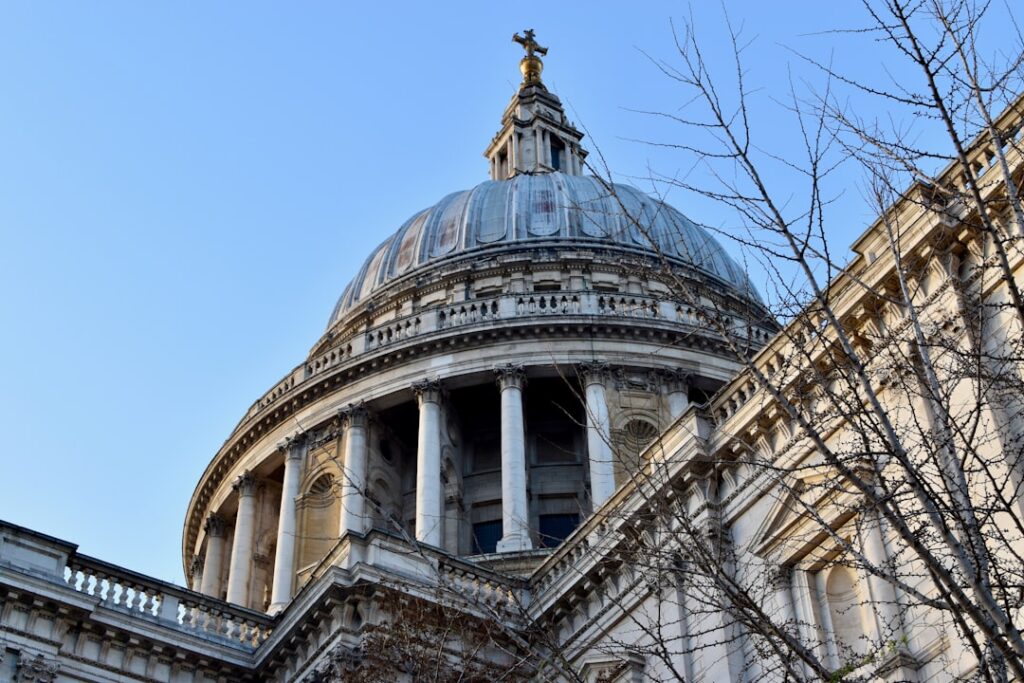
The bombing of London began in earnest on September 7, 1940, when the Luftwaffe shifted its focus from RAF airfields to the British capital. For 57 consecutive nights, German bombers launched from airfields across occupied Europe targeted London’s docks, residential areas, and historic landmarks. The campaign, which Londoners came to call London’s Blitz, killed approximately 20,000 civilians during the main Blitz period, with additional thousands dying in later V-weapon attacks. The raids destroyed vast swathes of the city.
But the story doesn’t end there. What began as a German offensive soon became a two-way exchange of destruction. The Royal Air Force’s Bomber Command, initially constrained by rules against targeting civilian areas, began retaliatory raids on German cities. Berlin received its first British bombs on August 25, 1940, a raid that infuriated Hitler and arguably precipitated the shift to bombing London.
The Escalation and Its Consequences
As the war progressed, the bombing intensified on both sides. Berlin endured increasingly heavy raids, culminating in the devastating attacks of 1943-1945 that left much of the historic city center in ruins. The Kaiser Wilhelm Memorial Church, left partially destroyed as a memorial, stands today as Berlin’s most visible reminder of this period—much as London’s Blitz ruins and preserved bomb shelters serve as touchstones of memory.
By war’s end, both capitals had been fundamentally transformed. In London, entire neighborhoods had been erased, with the East End and the City suffering particularly heavy damage. In Berlin, the destruction was even more complete, with more than 400,000 left homeless by Allied bombing raids.
Shared Memory, Different Narratives
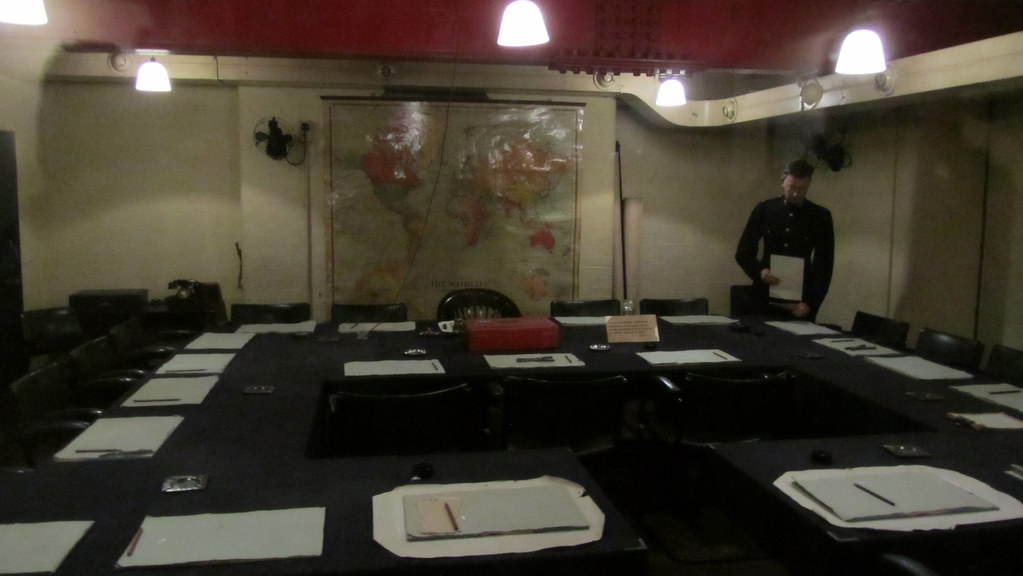
Today, both cities preserve the physical traces of this shared trauma in remarkably different ways. Visitors exploring London’s Blitz can walk through preserved underground shelters, visit the ruins of bombed churches left as memorials, and trace the outlines of destroyed neighborhoods now rebuilt. The Imperial War Museum and Churchill War Rooms offer comprehensive exhibitions on the home front experience.
In Berlin, the remnants are equally present but carry different meanings. The Kaiser Wilhelm Memorial Church on Breitscheidplatz remains deliberately unrepaired, its broken spire a stark reminder of war’s devastation. The Topography of Terror documentation center examines the Nazi regime that initiated the conflict, while numerous memorials across the city acknowledge both German suffering and German responsibility.
A Complex Legacy
The bombing campaigns that connected Berlin and London represent one of the most morally complex aspects of World War II. For Londoners, the Blitz is remembered as a time of resilience and defiance, when the city “took it” and refused to break. For Berliners, the memory is more complicated—acknowledging suffering while recognizing it as consequence of a war their government started.
This shared history continues to shape both cities. The post-war rebuilding created much of the urban landscape visitors see today: London’s mixture of Victorian survivors and modernist replacements, Berlin’s divided and reunified architectural identity. Understanding this connection helps explain why both cities look the way they do, and why certain ruins, gaps, and memorials remain deliberately preserved.
For travelers visiting either capital, recognizing this intertwined history adds depth to the experience. The bombed church ruins, the underground shelters, and the memorial plaques aren’t isolated artifacts—they’re part of a shared story that connected two cities across the lines of war, and continues to connect them in memory today.
Tours & experiences in Germany


Powered by Viator. Some links are affiliate links — we may earn a small commission at no extra cost to you.