
Every day, thousands of travelers cross one of Europe’s most seamless borders aboard trains connecting Aachen, Germany with Maastricht, the Netherlands. This approximately 30-kilometer railway link represents more than just convenient transportation—it embodies centuries of shared history, culture, and cooperation between two cities that have long existed in each other’s orbit.
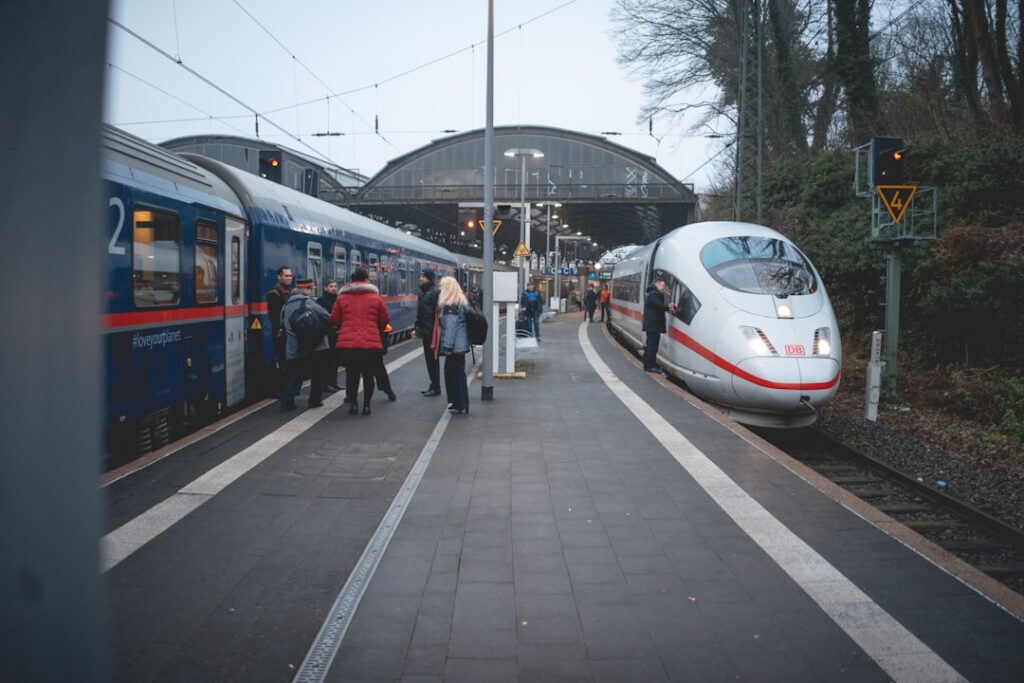
The direct train service between Aachen Hauptbahnhof and Maastricht station runs multiple times daily, taking approximately 49 minutes to traverse the border. The route serves commuters, students, and tourists who treat the international boundary as little more than an administrative formality. For many residents of the Euregio Meuse-Rhine region, popping across the border for shopping, dining, or cultural events is as routine as traveling between neighborhoods.
A Cross-Border Region with Deep Roots
The ease of movement between Aachen and Maastricht reflects the reality of the Euregio Meuse-Rhine, a cross-border cooperation zone established in 1976 that encompasses parts of Germany, the Netherlands, and Belgium. This cooperative framework has made the Aachen-Maastricht corridor one of Europe’s most integrated cross-border regions, with shared public transport ticketing, coordinated urban planning, and joint cultural initiatives.
Students at RWTH Aachen University and Maastricht University frequently attend lectures, conferences, and social events in both cities. The universities maintain formal partnerships and joint research programs, with many graduate students living in one city while studying in the other. The affordable housing in Aachen compared to Maastricht has made the German city particularly attractive to Dutch students.
Shopping, Dining, and Cultural Exchange
The proximity has created fascinating cultural dynamics. German shoppers regularly make the journey to Maastricht for Sunday shopping—stores in the Netherlands remain open on Sundays when German shops are closed by law. Meanwhile, Dutch visitors flock to Aachen’s Christmas market, one of Germany’s finest, which transforms the city center around the historic Aachen Cathedral each December.
The culinary exchange flows both ways as well. Aachen’s cafes serve Dutch stroopwafels alongside German Printen (local spiced cookies), while Maastricht’s restaurants stock German wines from the nearby Ahr and Mosel valleys. The Limburgish dialect spoken in parts of both cities creates an additional linguistic bridge, though most residents comfortably switch between German, Dutch, and English.
Planning Your Cross-Border Journey
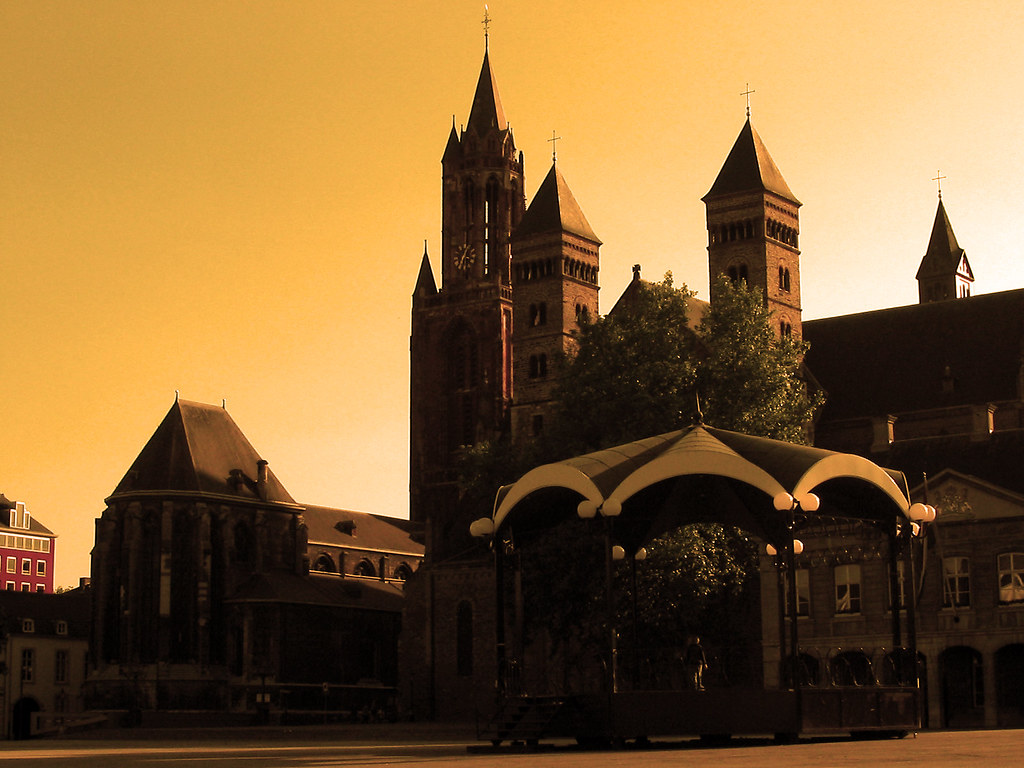
For travelers exploring the region, combining Aachen and Maastricht makes excellent sense. Those planning a Maastricht day trip from Amsterdam can easily extend their journey to include Aachen, or use the German city as a base for exploring both countries. The train connection makes it possible to enjoy breakfast in Aachen’s Elisenbrunnen pavilion and lunch along Maastricht’s Vrijthof square.
The Euregio ticket, a special cross-border fare, offers unlimited travel throughout the region for a single day, encouraging exploration across national boundaries. This practical integration reflects a broader European ideal—that historic cities separated by borders can function as parts of a single, coherent cultural landscape.
As Europe continues to grapple with questions of integration and cooperation, the Aachen-Maastricht connection offers a quiet success story. Here, two proud historic cities maintain their distinct identities while sharing the benefits of proximity, accessibility, and mutual exchange—all less than an hour apart by train.
Tours & experiences in Germany


Powered by Viator. Some links are affiliate links — we may earn a small commission at no extra cost to you.