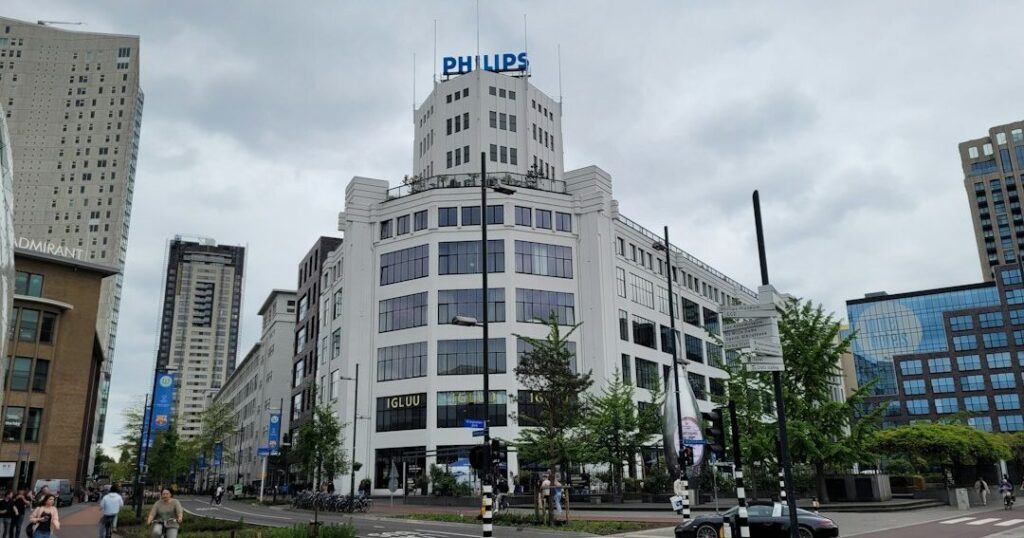
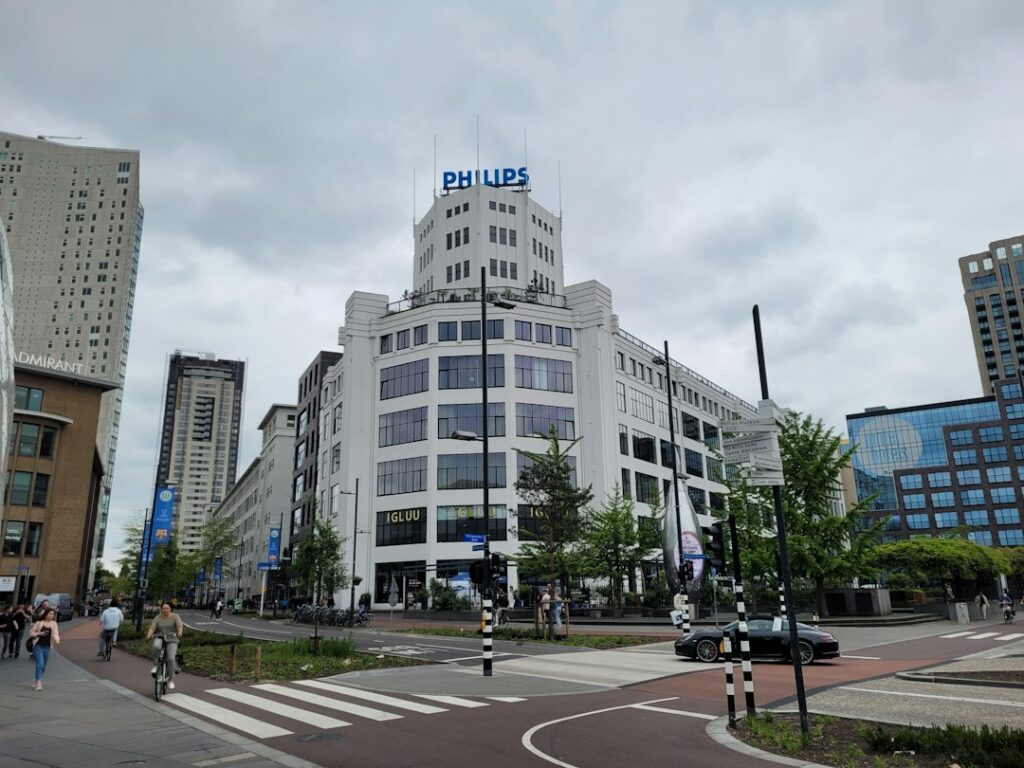
The story of Philips, the Dutch electronics giant that transformed Eindhoven from a small market town into the Netherlands’ fifth-largest city, has a significant German chapter that shaped the company’s European expansion.
Founded in Eindhoven in 1891 by Gerard Philips and his father Frederik, the company grew rapidly in the early 20th century. In 1926, Philips established its German subsidiary in Berlin, marking the beginning of major operations in Germany. By 1927, Philips had acquired operations in Hamburg, and in 1934 opened a facility in Aachen, strategically located near the Dutch-German border.
The Wartime Years
When Nazi Germany invaded the Netherlands in May 1940, the Philips family and senior management faced an impossible situation. Frits Philips worked to protect employees while maintaining operations under occupation. Meanwhile, Philips’ German facilities came under direct Nazi control and were converted to war production.
The company undertook efforts to protect key patents and technical knowledge from falling into German hands, though the details of these operations remain complex and debated by historians. Frits Philips is credited with helping to save the lives of Jewish employees during the war.
Post-War Operations
After 1945, Philips played a role in rebuilding both Dutch and German industry. The company’s Hamburg operations, which had been acquired in 1927, became an important European center for Philips outside the Netherlands, specializing in radio and television production during Germany’s Wirtschaftswunder economic miracle.
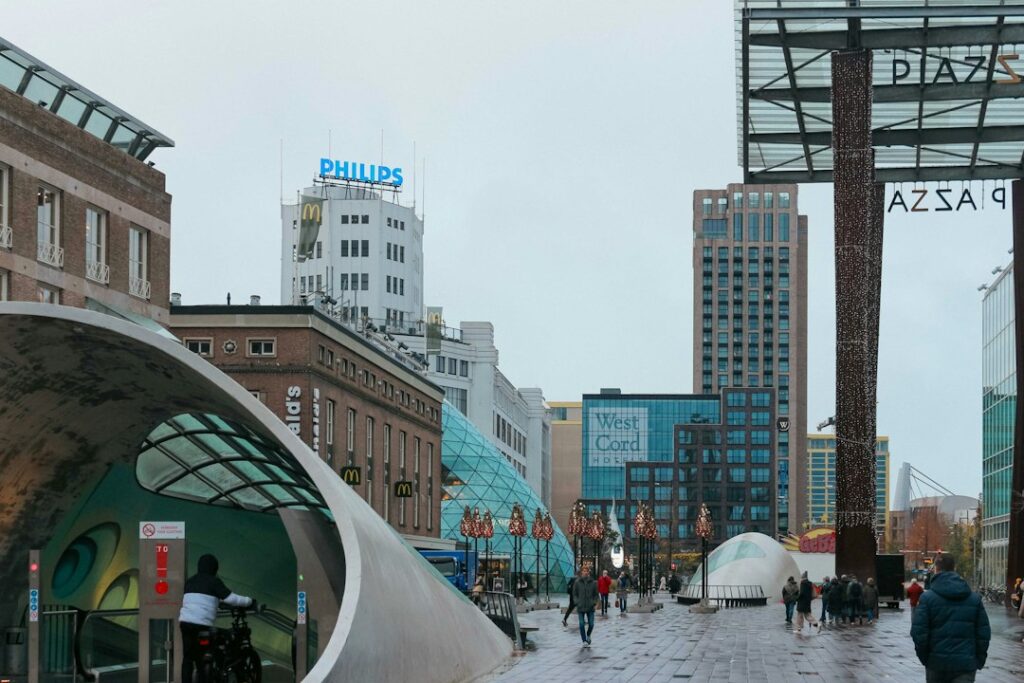
Today, visitors on an Eindhoven Day Trip from Amsterdam can explore the Philips Museum in the company’s original 1891 factory building, which documents this international expansion. The museum’s exhibits include materials on Philips’ German operations and the complex wartime period.
Cross-Border Legacy
The relationship between Philips and Germany illustrates how deeply intertwined Dutch and German industrial development became during the 20th century. From the founding of Philips Germany in Berlin in 1926 to the facilities in Hamburg and Aachen, Philips’ German operations were integral to a company that, while proudly Dutch in origin, became genuinely European in scope.
For those interested in this cross-border industrial heritage, the Philips Museum in Eindhoven offers the Dutch perspective on this story, preserving the remarkable corporate history that spans both nations.
Tours & experiences in Germany


Powered by Viator. Some links are affiliate links — we may earn a small commission at no extra cost to you.