
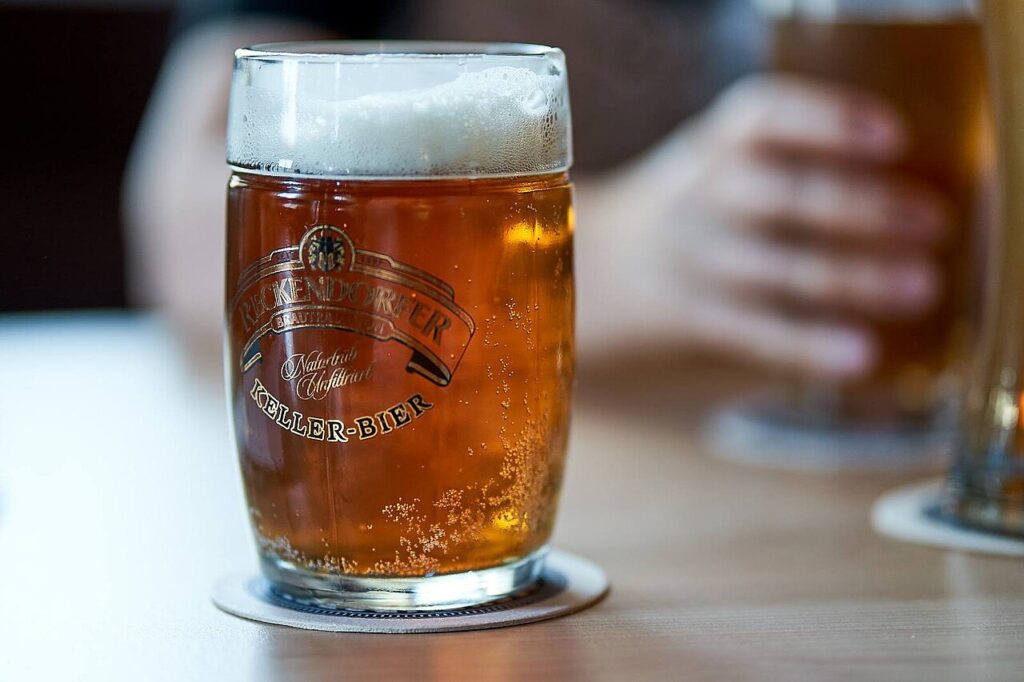
While Bavaria gets most of the attention for its beer halls and Oktoberfest tents, the region of Franconia in northern Bavaria quietly maintains one of Germany’s most distinctive beer traditions: the beer cellar, or Bierkeller. These aren’t your typical basement bars. Many are centuries-old tunnels and caves carved into sandstone hillsides, originally used to store beer before refrigeration existed, and still serving thirsty locals on warm summer evenings.
The History Behind the Cellars
Franconia’s beer cellar tradition dates back to the Middle Ages, when brewers discovered that the region’s sandstone hills provided the perfect cool, stable environment for lagering beer. They dug deep tunnels into the hillsides, where temperatures remained around 8°C (46°F) year-round—ideal for storing beer before modern refrigeration.
The tradition evolved into something more social by the 19th century. Brewers began planting chestnut trees above the cellars to keep the ground even cooler, and locals started gathering in the shade to enjoy freshly tapped beer straight from the source. The Bavarian king eventually granted brewers permission to sell beer directly from these cellars, cementing a tradition that continues today.
Bamberg alone has more than a dozen active beer cellars, while Erlangen, Forchheim, and Nuremberg each maintain their own beloved versions of this institution.
What Makes a Beer Cellar Experience Unique
Unlike traditional beer gardens or halls, Franconian beer cellars come with their own set of customs. Most operate only from late spring through early autumn, when the weather invites outdoor drinking. You’ll find long wooden tables beneath those historic chestnut trees, often with gravel underfoot and a distinctly unpretentious atmosphere.
The most traditional cellars follow the Brotzeit custom: you’re welcome to bring your own food. Pack a basket with pretzels, cheese, radishes, and cold cuts, then buy your beer on-site. Many cellars also offer simple Franconian fare from small kiosks—smoked pork, Obatzda (a tangy cheese spread), and fresh-baked bread.
The beer itself is typically unfiltered lager, often served in half-liter or full-liter steins. Franconia has the highest brewery density in the world, with more than 300 breweries in the region, so each cellar pours its own distinctive brew.
The Best Beer Cellars to Visit
Spezial-Keller in Bamberg sits atop Stephansberg and offers panoramic views over the city’s UNESCO-listed old town. The Spezial brewery is famous for its Rauchbier (smoked beer), a Bamberg specialty that tastes like liquid campfire—an acquired taste, but worth trying. The cellar operates from May through September.
Greifenklau-Keller, also in Bamberg, occupies a quieter spot near the university. It’s smaller and more intimate, with excellent unfiltered lager and a loyal local following. The brewery dates to 1719, and the cellar maintains that historic feel.
In Erlangen, the Erich-Keller and Steinbach-Keller anchor the city’s famous Bergkirchweih festival grounds. Even outside festival time (late May to early June), these cellars draw crowds with their shaded hillside terraces and student-friendly prices.
Kellerwald in Erlangen isn’t a single cellar but a forested hillside dotted with multiple brewery cellars, connected by walking paths. Locals make an evening of strolling between cellars, sampling different beers and soaking in the convivial atmosphere.
Nuremberg’s Waldkeller and Schanzenbräu Keller offer city dwellers a quick escape into greenery without leaving town. Both feature traditional half-timbered serving houses and extensive outdoor seating.
Practical Tips for Your Visit
Check opening hours before you go—many cellars operate only on weekends early in the season, then expand to daily service during summer. Weather matters: cellars typically close during rain, since most seating is outdoors.
Cash is king at traditional cellars. Few accept cards, especially at the smaller, family-run operations.
If you’re bringing your own food, remember to purchase it before you arrive. Look for butcher shops (Metzgerei) and bakeries in town for authentic provisions. Don’t bring food to cellars that have full kitchens—it’s considered poor form.
The cellars get packed on warm summer evenings and Sunday afternoons. Arrive by 5 PM to claim a good spot, or embrace the communal spirit and squeeze in wherever there’s room. Sharing tables with strangers is expected and part of the experience.
Bamberg makes an excellent base for exploring Franconian beer culture, with easy train connections to Erlangen (20 minutes) and Forchheim (10 minutes). Nuremberg is just 45 minutes away.
Want more stories about Germany’s hidden traditions and local experiences? Subscribe to the Love Germany newsletter and get one short story a day delivered to your inbox—the Germany you won’t find in the guidebooks.
Tours & experiences in Germany


Powered by Viator. Some links are affiliate links — we may earn a small commission at no extra cost to you.