
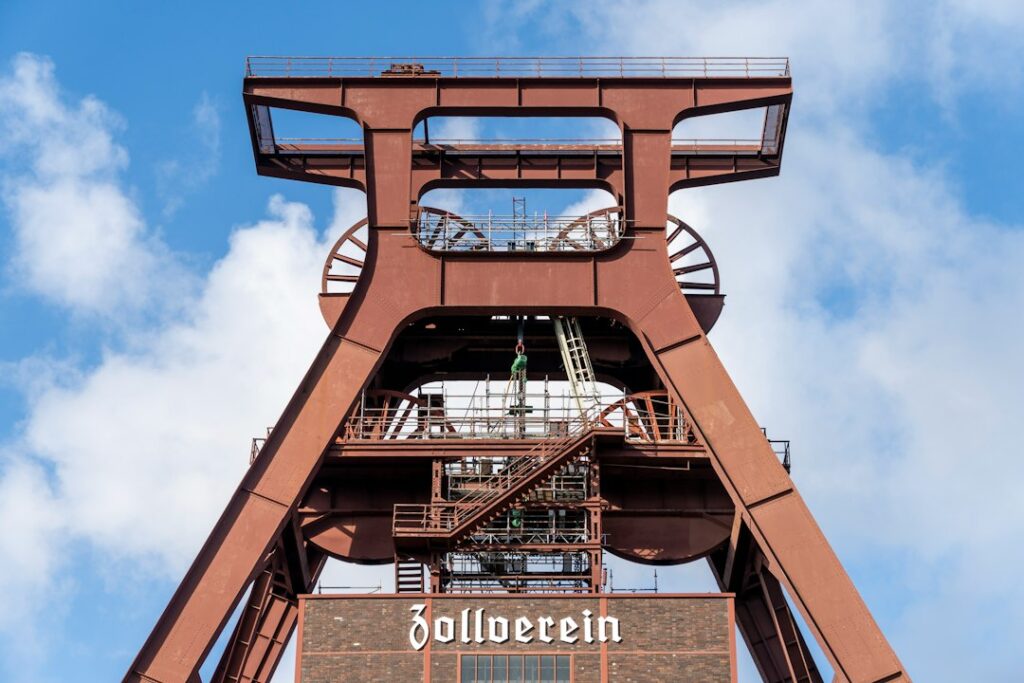
When gold was discovered on the Witwatersrand in 1886, the news reverberated across the globe, reaching the mining regions of Germany where experienced engineers and metallurgists possessed skills that would prove valuable in South Africa’s developing goldfields. German mining professionals were among the many Europeans who made the journey to the Transvaal in the years following the discovery, contributing to the technical workforce that developed the Witwatersrand’s mineral wealth.
The German contribution to Johannesburg’s growth included mining engineers and metallurgists who brought European mining experience to the new goldfield. While the crucial cyanide extraction process that made processing Witwatersrand’s low-grade ore economically viable was developed by Scottish chemists MacArthur and the Forrest brothers in 1887, German professionals were among those who helped implement various mining technologies in the rapidly expanding industry.
The German Community
As the German population in Johannesburg grew, the community established social institutions. A German Club (Deutscher Verein) was founded in Pretoria in 1888, and the Johannesburg German community also organized, providing social and cultural connections for German speakers, including Austrians and Swiss who also came to the goldfields. These institutions offered not just social connection but also business networking opportunities that helped German professionals secure positions in the rapidly expanding mining industry.
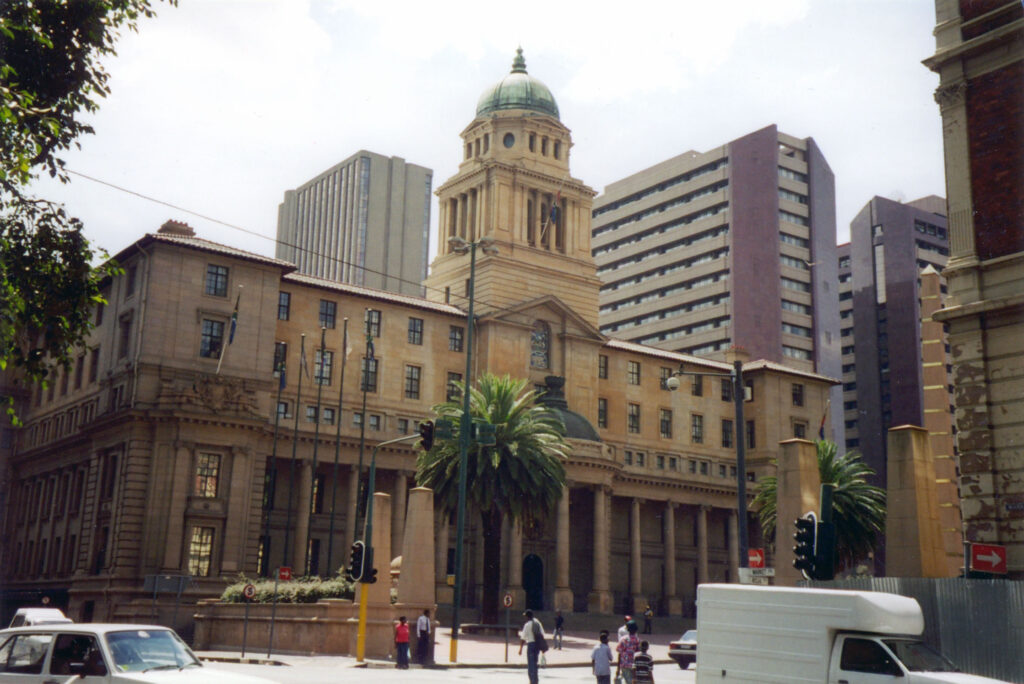
German engineering firms established connections with Johannesburg to supply mining equipment and expertise. Companies brought drilling machinery, pumping systems, and ventilation equipment from Germany’s established mining regions like the Ruhr and Saxony. This technology transfer contributed to allowing mines to reach greater depths as surface deposits were exhausted.
Legacy in Industry
The 1886 Gold Rush That Built Johannesburg drew skilled professionals from across Europe, and Germans were among the immigrant groups who contributed to the technical and engineering work that transformed a mining camp into a major industrial city. By the 1890s, Germans constituted one of the significant European immigrant groups in the Transvaal, with some holding positions in mining companies and engineering firms.
The outbreak of the Anglo-Boer War in 1899 complicated life for German residents, as Germany’s sympathies lay with the Boer republics. Many Germans left temporarily, though the community re-established itself in the early twentieth century. German family names remain visible in South African mining and engineering sectors, reflecting the participation of German professionals in the development that unlocked the mineral wealth of the Witwatersrand.
The story of German involvement in Johannesburg’s gold rush illustrates how European technical expertise contributed to South Africa’s mineral development, with skills from European mines finding application in the Witwatersrand goldfields.
Tours & experiences in Germany


Powered by Viator. Some links are affiliate links — we may earn a small commission at no extra cost to you.