
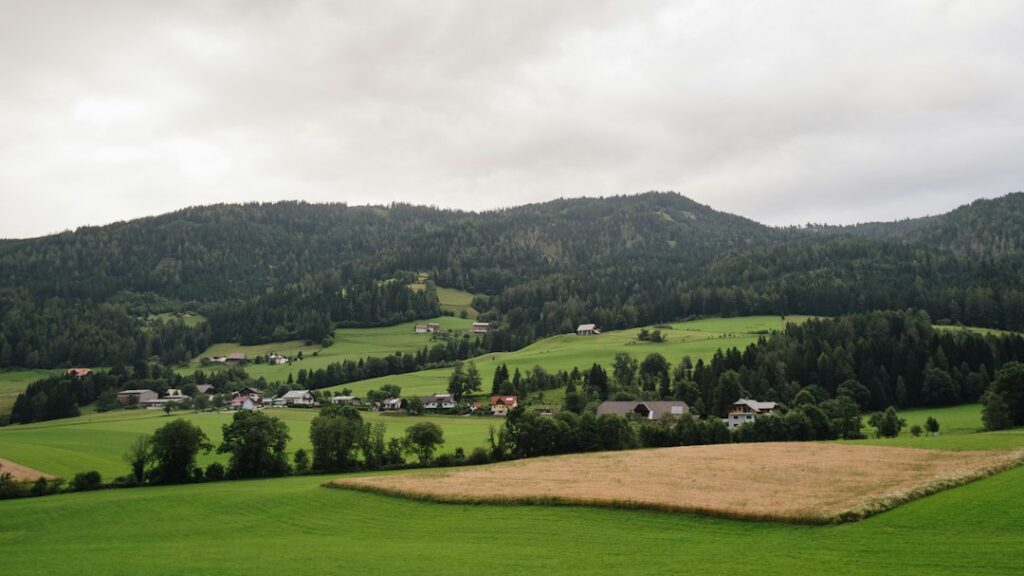
The Black Forest doesn’t need to shout. While Munich packs a million visitors into Oktoberfest tents, villages tucked into the Schwarzwald’s valleys throw festivals that feel like you’ve stumbled onto a family gathering—except the family welcomes strangers, pours local wine with a generous hand, and dances in traditional dress until the accordion player calls it a night.
These aren’t tourist productions. They’re living traditions, rooted in centuries of farming, winemaking, and Catholic feast days, and they offer something the guidebook circuit rarely delivers: a chance to see Baden culture as the locals themselves celebrate it.
The Bollenhut Festival in Gutach
The Black Forest’s most recognizable symbol—the red-pom-pommed Bollenhut—comes to life every August in Gutach, where unmarried women still wear the traditional headdress during the Schwarzwälder Trachtenumzug, a costume parade that draws villages from across the region. Held on the first Sunday of August, the festival fills the streets with brass bands, flower-decorated floats, and families in full Tracht.
The Bollenhut itself weighs nearly two pounds and takes years to master wearing correctly. You’ll see the real thing here, not the souvenir-shop version. The parade starts at 1 p.m. near the Vogtsbauernhof open-air museum, which is worth visiting before or after to understand the farmhouse architecture these traditions emerged from.
Arrive early—parking fills by noon—and stay for the afternoon Festzelt, where you’ll find Flammkuchen, local beer, and a dance floor that doesn’t discriminate by age or skill level.
Wine Harvest Festivals Along the Badische Weinstraße
The eastern edge of the Black Forest tumbles down into Baden’s wine country, and every September and October, villages along the Badische Weinstraße (Baden Wine Road) throw harvest festivals that put the wine front and center.
Burkheim am Kaiserstuhl, a medieval wine village with half-timbered lanes and ancient cellars, hosts its Winzerfest in late September. The festival centers on the village square, where local winegrowers pour Grauburgunder, Spätburgunder, and Müller-Thurgau directly from the barrel. No sommeliers, no pretense—just farmers who’ve been working these volcanic slopes for generations.
A few miles south, Ihringen celebrates its Weinfest in early October with open cellars, live music, and the kind of late-harvest atmosphere that feels both festive and contemplative as the vines start to turn gold.
The wine villages are easily reached by car from Freiburg (20 to 30 minutes), and many festivals offer shuttle buses from nearby train stations. Expect to pay a small glass deposit and buy tickets for wine pours—budget around €15 to €20 for an afternoon of tasting.
Fasnet: Black Forest Carnival Before Lent
If you’re in the Black Forest in late January or February, you’re in for something far stranger and older than carnival elsewhere in Germany. Fasnet (also called Fastnacht) is the region’s pre-Lenten celebration, and it looks less like Rio and more like a pagan fever dream.
In Rottweil, Germany’s oldest Fasnet celebration, wooden masks carved into grotesque faces—Narros, Gschell, and Federahannes—parade through the medieval old town, their costumes unchanged for centuries. The masks are haunting, beautiful, and never worn casually; each belongs to a specific guild and tradition.
Villingen-Schwenningen and Elzach also host major Fasnet celebrations, with the latter famous for its Schuttig figures in snail-shell hats and brightly embroidered costumes. The parades happen over several days leading up to Ash Wednesday, with the wildest action on Fasnetsdienstag (Shrove Tuesday).
Arrive early, dress warmly, and don’t be surprised if masked figures single you out for teasing—it’s tradition. Hotels book months in advance, so plan accordingly or base yourself in Freiburg and day-trip in.
Kirnbergsee Festival and Summer Village Fairs
Summer in the Black Forest means Dorffest season—village fairs that pop up nearly every weekend from June through August. They’re less formal than the wine and costume festivals, but no less authentic.
The Kirnbergsee Festival in late July, held near the small reservoir of the same name outside Wolfach, combines a lakeside setting with traditional music, regional food, and a relaxed, family-friendly vibe. It’s especially popular with hikers who’ve spent the day on nearby trails and want a cold beer and a plate of Schäufele before heading back.
Other villages to watch for: Schiltach hosts its Flößerfest (raftsmen’s festival) in mid-July, celebrating the region’s logging history with river demonstrations and plenty of Black Forest ham. Triberg throws a summer fair in August that pairs waterfall hikes with evening music in the town square.
Check local tourist office websites or the regional calendar at schwarzwald-tourismus.info for exact dates—these festivals don’t always appear on major event platforms, but that’s part of their charm.
Practical Notes for Festival-Goers
Most Black Forest festivals are free to enter, though you’ll pay for food and drink. Bring cash—card readers are hit-or-miss in smaller villages. If a festival includes a Festzelt or evening dance, reserve a table in advance if you’re traveling with a group; walk-ins usually find space, but not always together.
Public transport works for festivals near larger towns like Freiburg or Offenburg, but a car unlocks the smaller, harder-to-reach celebrations. Parking is usually signed from the main approach roads, often in a field outside the village center.
Finally, a small bit of etiquette: if locals are in traditional dress, don’t treat them like theme-park characters. A polite question about the costume’s history is usually welcomed; a selfie request without asking first, less so.
Want more stories from Germany’s villages, valleys, and festivals? Subscribe to the Love Germany newsletter—one short story a day, straight to your inbox.
Tours & experiences in Germany


Powered by Viator. Some links are affiliate links — we may earn a small commission at no extra cost to you.