
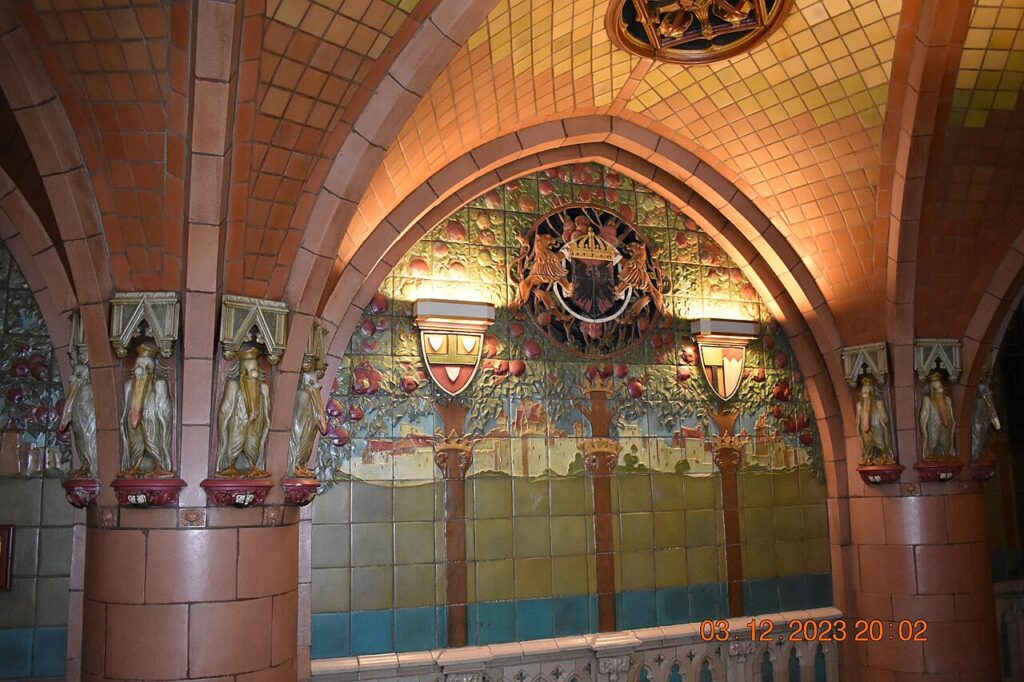
Walk through any historic German city center and you’ll pass the Rathaus—the town hall—often an architectural showpiece with Gothic spires, Renaissance gables, or Baroque flourishes. But the real surprise lies beneath. In vaulted stone cellars that have stood for five, six, even seven centuries, you’ll find one of Germany’s most enduring dining traditions: the Ratskeller.
These aren’t ordinary restaurants. They’re civic institutions, carved directly into the foundations of municipal power, where locals and visitors alike gather over platters of regional cooking and steins of local beer. The atmosphere is equal parts history museum and neighborhood tavern, with arched brick ceilings, coats of arms on the walls, and menus that haven’t changed much in generations.
A Tradition Rooted in Salt, Wine, and Civic Pride
The Ratskeller tradition dates back to medieval trade. Town halls often included storage cellars for valuable goods—salt, wine, grain—and many cities began leasing these spaces to tavern keepers. By the 14th and 15th centuries, the arrangement had evolved into something more formal: the city would grant exclusive rights to operate a public house directly beneath the seat of government.
In Bremen, the Ratskeller has poured wine in the same vaulted cellar since 1405, making it one of the oldest continuously operating wine cellars in Germany. Hamburg’s Ratskeller, rebuilt after World War II, maintains a tradition stretching back to 1528. Lübeck’s version dates to 1220, making it the oldest of all.
The appeal was practical. The thick stone walls and underground location kept wine and beer cool year-round. But there was also civic symbolism: a thriving Ratskeller signaled a prosperous, well-governed city. To this day, many Ratskeller restaurants are still owned or operated by the municipality itself.
What to Expect When You Visit
No two Ratskeller restaurants are identical, but certain features recur. Expect heavy wooden furniture, sometimes centuries old. Vaulted ceilings of brick or stone, often whitewashed. Nooks and alcoves divided by thick pillars. Dim lighting from wrought-iron chandeliers. Painted coats of arms representing the city, its guilds, or historic trade partners.
The menus lean traditional and regional. In Bremen, you’ll find North German classics like Labskaus and Pannfisch. In Munich, the Ratskeller serves Schweinshaxe and Obatzda. Lübeck offers marzipan desserts alongside Baltic fish dishes. Nearly all serve a selection of local beers or wines, often from small producers you won’t find elsewhere.
Service tends to be efficient rather than fussy. Portions are generous. Prices are reasonable—Ratskeller restaurants were originally meant to serve the public, and many still honor that democratic spirit.
Where to Find Germany’s Best Ratskeller
Bremen: The Ratskeller beneath Bremen’s UNESCO-listed Rathaus is the most famous, with a wine list of over 650 German labels, some dating back decades. The cellar’s painted barrel vaults and carved wood panels create an almost chapel-like atmosphere. Try the Bremer Kükenragout, a classic chicken dish, paired with a Mosel Riesling.
Hamburg: Rebuilt after the war, Hamburg’s Ratskeller offers a more modern take on the tradition, but the vaulted cellar and regional menu remain. The Aalsuppe—a sweet-and-sour eel soup—is a local specialty worth trying.
Munich: Beneath Marienplatz, Munich’s Ratskeller sprawls across multiple rooms, seating over 1,000 guests. It’s touristy but authentic, with Bavarian standards done well and a lively beer-hall energy.
Lübeck: The oldest Ratskeller in Germany feels the most intimate. Low ceilings, candlelight, and a menu centered on Lübeck’s maritime heritage make this one special. The herring plates are excellent.
Cologne: The Ratskeller in Cologne’s Rathausplatz serves Kölsch beer in the traditional 0.2-liter glasses and hearty Rhineland dishes like Himmel un Ääd (heaven and earth: mashed potatoes, applesauce, and blood sausage).
Practical Tips for Dining in a Ratskeller
Reservations are recommended, especially in smaller cities where the Ratskeller is a local favorite. Walk-ins are usually possible at lunch, but dinner can fill up fast, particularly on weekends.
Dress is casual. You’ll see everyone from businesspeople to backpackers. That said, the setting is somewhat formal—these aren’t beer halls with long communal tables. Expect table service and a more traditional restaurant experience.
If you’re unfamiliar with the menu, ask for the Tagesgericht—the daily special. It’s usually the freshest, most seasonal option and often the best value.
Finally, take a moment to look around. The architecture alone is worth the visit. Many Ratskeller cellars have explanatory plaques (often in German and English) detailing the building’s history, the coats of arms on display, and notable guests who dined there over the centuries.
Want more stories like this? Subscribe to the Love Germany newsletter—one short story a day, straight to your inbox.
Tours & experiences in Germany


Powered by Viator. Some links are affiliate links — we may earn a small commission at no extra cost to you.