In the late 16th and early 17th centuries, thousands of Dutch and Walloon refugees fled religious persecution in the Spanish-controlled Netherlands, seeking sanctuary in the German territories of the Holy Roman Empire. Protestant families faced brutal repression during the Eighty Years’ War.
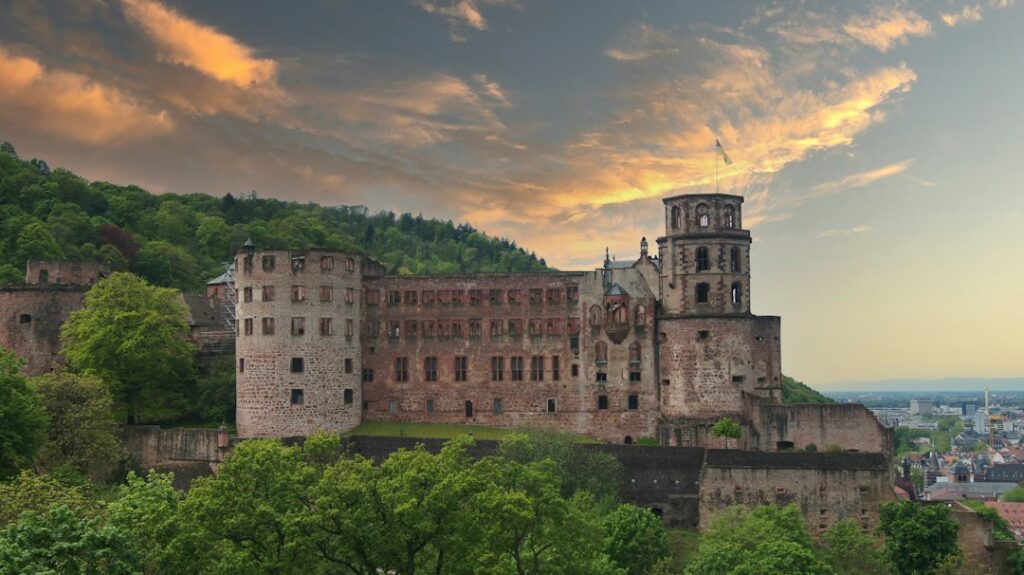
The Electoral Palatinate, centered around Heidelberg and Mannheim, became one of the primary destinations for these Dutch Calvinist refugees. The region’s tolerant Calvinist rulers actively welcomed skilled craftsmen, merchants, and farmers from the Low Countries, recognizing the economic and cultural benefits they would bring.
The Frankenthal Dutch Settlement
The most remarkable example of this migration was Frankenthal. In 1562, Elector Frederick III granted Dutch and Walloon refugees permission to settle in the existing town, providing them with the possessions of a suppressed Augustinian monastery. The refugees transformed the settlement, bringing with them expertise in textile production, brewing, and horticulture.
Dutch Names in German Records
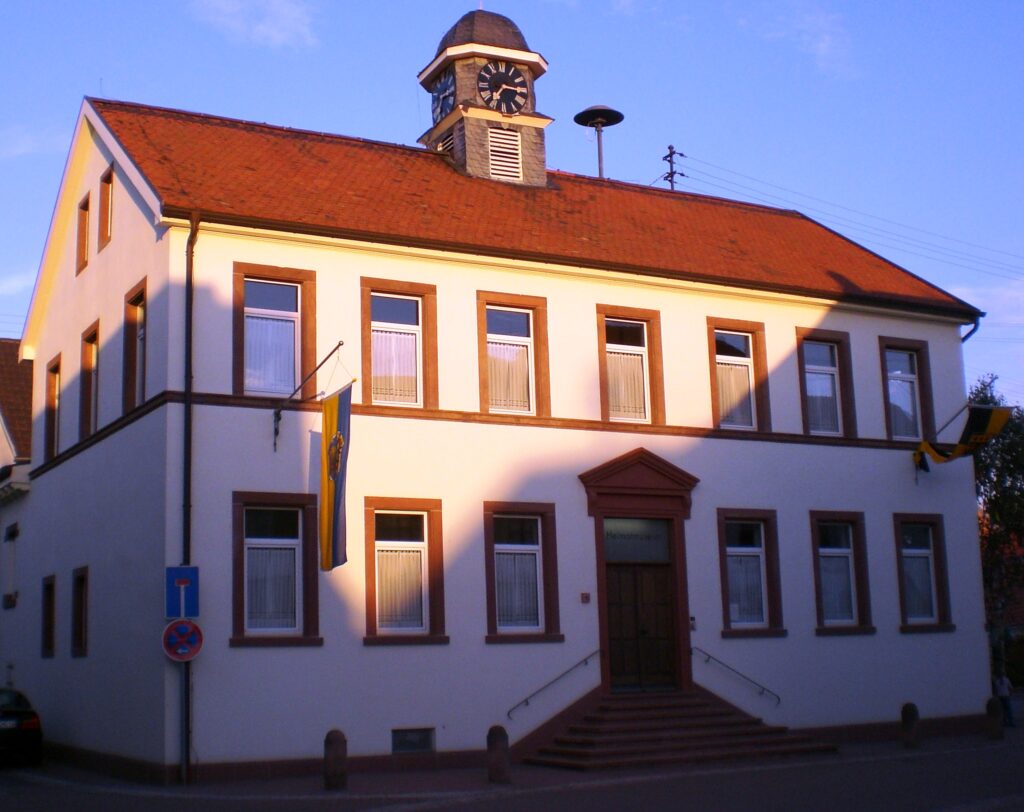
Parish registers and citizenship records from the Palatinate reveal the Dutch and Flemish origins of many settler families. Surnames from the Low Countries appear throughout 17th-century German documents. The Dutch Surnames of Zeeland reflect seafaring heritage from the coastal regions, and similar naming patterns can be traced in German archival records from Mannheim, Heidelberg, and Frankenthal.
Families bearing names like “van der Zee” (from the sea), “Dijk” (dike), and “Schutte” (lock-keeper) settled in communities along the Rhine, where their expertise in water management proved invaluable. The Palatinate’s rulers employed Dutch engineers to improve flood control systems and develop agricultural land—skills honed over centuries of managing water in the Low Countries.
Cultural and Economic Legacy
The Dutch and Walloon refugees transformed the economic landscape of the Palatinate. They introduced new brewing techniques, established successful textile manufactories, and brought advanced horticultural methods.
Religious ties remained strong between the Dutch communities in Germany and their homeland. Ministers traveled between the Netherlands and the Palatinate, and families maintained correspondence across borders. When religious conflicts erupted in the Palatinate during the Thirty Years’ War, some families returned to the Netherlands, while others moved deeper into German territories.
Traces Today
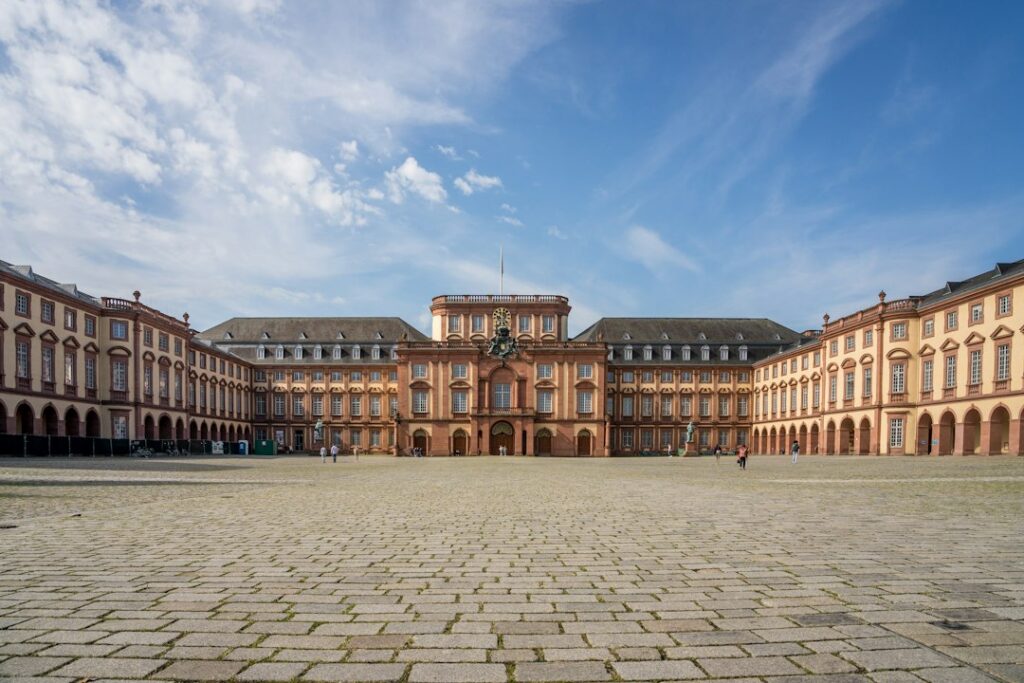
Modern Frankenthal still acknowledges its Dutch heritage. Street names recall the refugee settlers, and the city archives preserve extensive documentation of the Dutch community. In Mannheim’s Reiss-Engelhorn Museum, exhibits detail the contributions of Dutch refugees to the region’s development.
For genealogists tracing Dutch ancestry, the Palatinate archives offer a rich resource. Many families who emigrated from the Netherlands to Germany in the 16th and 17th centuries later moved onward to America, making these German records a crucial link in understanding transatlantic Dutch migration patterns.
Tours & experiences in Germany


Powered by Viator. Some links are affiliate links — we may earn a small commission at no extra cost to you.