
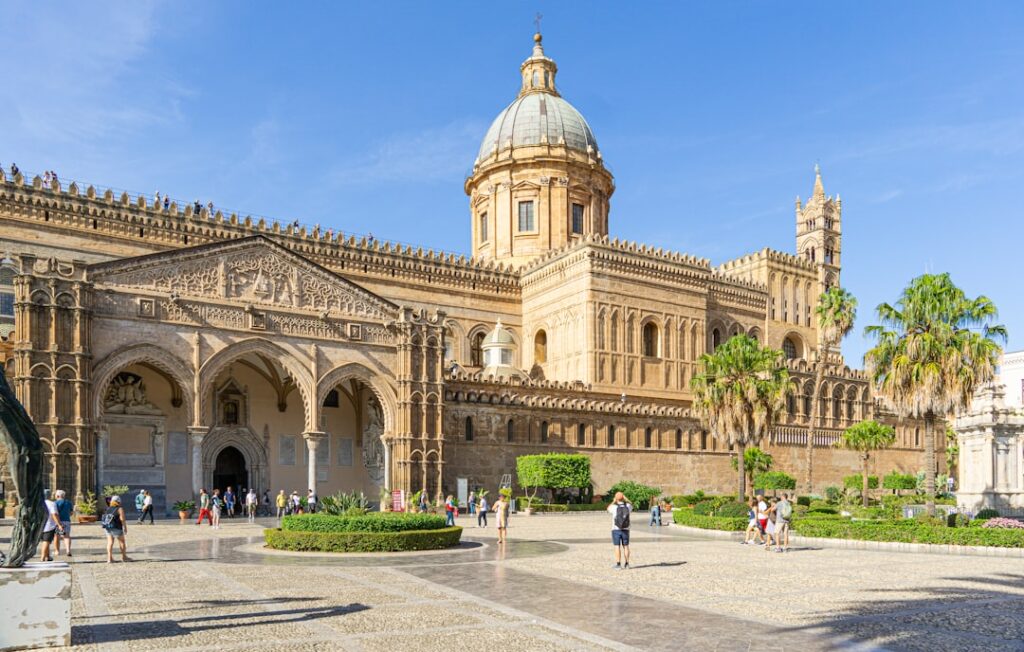
In the heart of Palermo’s cathedral lies an extraordinary tomb that tells the story of one of medieval Europe’s most consequential marriages—a union that bound the Holy Roman Empire to the Norman Kingdom of Sicily and changed the course of European history.
In 1186, Emperor Henry VI of the Hohenstaufen dynasty married Constance of Hauteville, the aunt and heiress of King William II of Sicily. This marriage connected Germany’s imperial house directly to the Norman rulers who had conquered southern Italy and Sicily in the previous century.
The Norman Kingdom That Attracted German Emperors
The Norman Kingdom of Sicily was unlike anything else in medieval Europe. Founded by descendants of Viking settlers who had first established themselves in Normandy, these Norman adventurers had carved out a wealthy, cosmopolitan kingdom in the Mediterranean. By the mid-12th century, Sicily was one of Europe’s richest realms, controlling vital trade routes and boasting a sophisticated court where Latin, Greek, and Arabic cultures mingled.
The Normans Who Changed the World had created something the German emperors desperately wanted: a southern power base in Italy that could anchor imperial authority over the fractious Italian peninsula.
A Marriage That Changed Dynasties
When Constance and Henry married, she was in her thirties—unusually old for a medieval bride—and had spent most of her life in a convent. Few expected her to produce an heir. But in 1194, at age forty, Constance gave birth to a son in a tent in the market square of Jesi, near Ancona, deliberately choosing a public setting to forestall any doubts about the child’s legitimacy.
That child was Frederick II, who would become one of medieval Europe’s most remarkable rulers. Through his mother, he inherited the Norman Kingdom of Sicily. Through his father, he claimed the Holy Roman Empire. Frederick II spoke six languages, patronized science and the arts, founded the University of Naples, and earned the nickname “Stupor Mundi”—the Wonder of the World.
The German-Norman Legacy
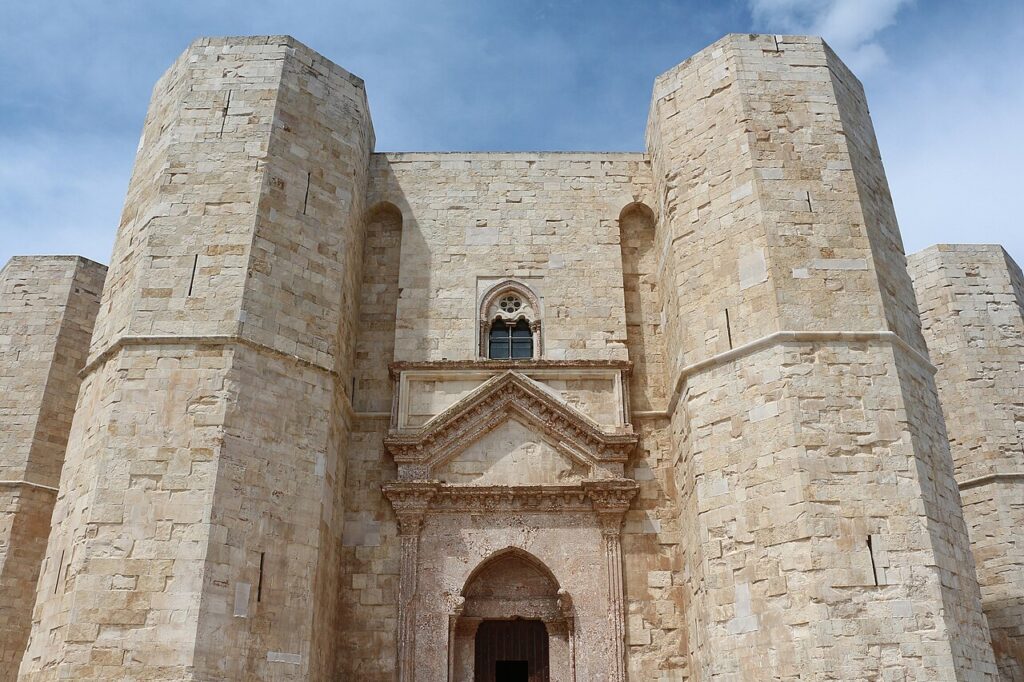
The fusion of German imperial ambition with Norman Sicilian wealth and culture created a unique political entity. Frederick II spent most of his reign in Sicily and southern Italy rather than in Germany, transforming Palermo into one of Europe’s most brilliant courts. His Castel del Monte in Apulia—a mathematical marvel of octagonal architecture—stands as a monument to this German-Norman synthesis.
The alliance also drew Germany deeper into Italian politics for centuries. The Hohenstaufen struggle to maintain control over both Germany and Italy would define European conflict throughout the 13th century, pitting emperors against popes and reshaping the political map.
Visiting the Connection Today
In Palermo Cathedral, visitors can still see the porphyry sarcophagi of the Norman-Hohenstaufen dynasty, including those of Constance and her son Frederick II. The cathedral itself reflects the cultural fusion they represented—Norman structure, Arab-influenced decoration, and later German imperial patronage.
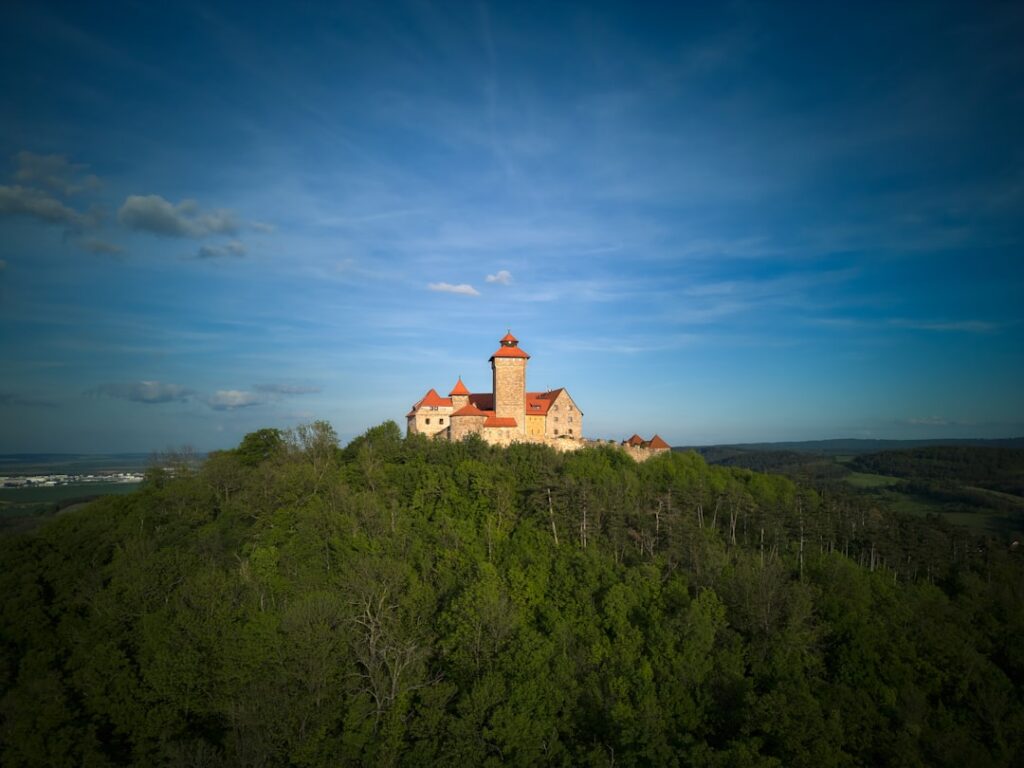
In Germany, the Hohenstaufen legacy is preserved at sites like the Kyffhäuser Monument in Thuringia and the ruins of imperial palaces throughout Swabia. These monuments commemorate a dynasty whose greatest achievement came not from German conquests, but from a marriage alliance with Norman Sicily that briefly united northern and southern Europe under one extraordinary crown.
Tours & experiences in Germany


Powered by Viator. Some links are affiliate links — we may earn a small commission at no extra cost to you.