
On June 26, 1963, President John F. Kennedy stood before a massive crowd of West Berliners and delivered four words in German that would echo through history: “Ich bin ein Berliner.” This defining moment of Cold War solidarity was delivered by a man whose identity was deeply rooted in his Irish heritage—a connection that shaped his worldview and his presidency.
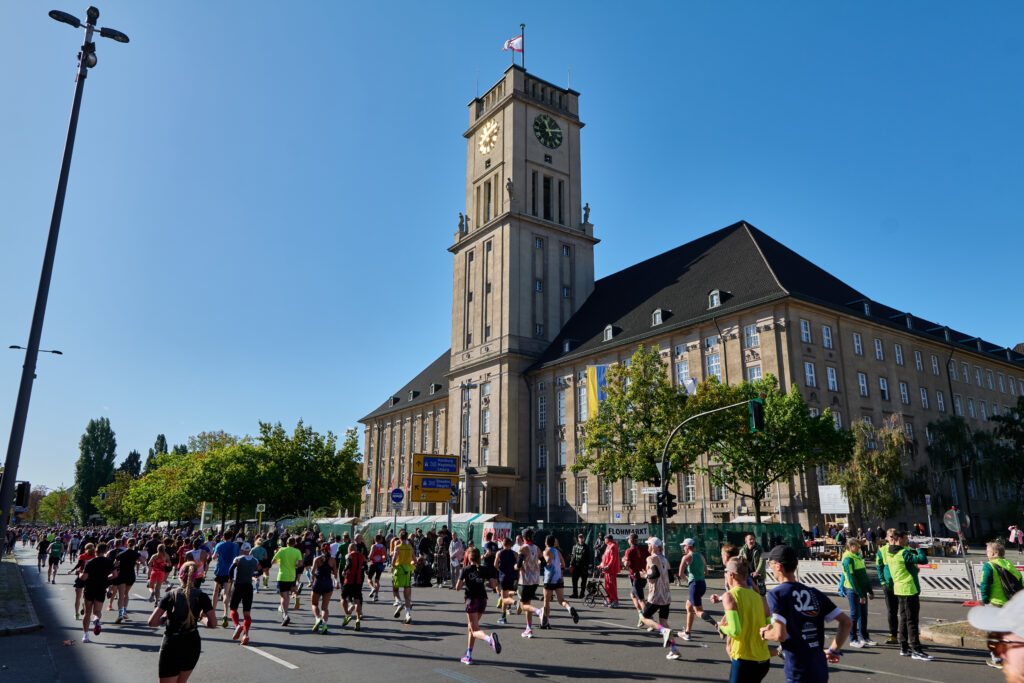
Kennedy’s visit to West Berlin came at a critical juncture. The Berlin Wall had been standing for nearly two years, dividing families and symbolizing the Iron Curtain’s brutal reality. His speech at Rathaus Schöneberg became one of the most powerful declarations of Western resolve against Soviet expansion.
The Irish Roots Behind the President
Kennedy’s great-grandfather Patrick Kennedy left County Wexford in October 1848, arriving in Boston in April 1849. This family story of escape from hunger and British rule wasn’t just Kennedy family lore—it informed JFK’s understanding of freedom and tyranny.
The president’s Irish heritage was no secret. Later that same day after his Berlin speech, Kennedy flew to Ireland, where he received a rapturous welcome in Dublin, Wexford, and Cork. He visited Dunganstown, County Wexford, reconnecting with distant Kennedy cousins in an emotional homecoming that followed his historic Berlin appearance.
Germany’s Irish-American Connection
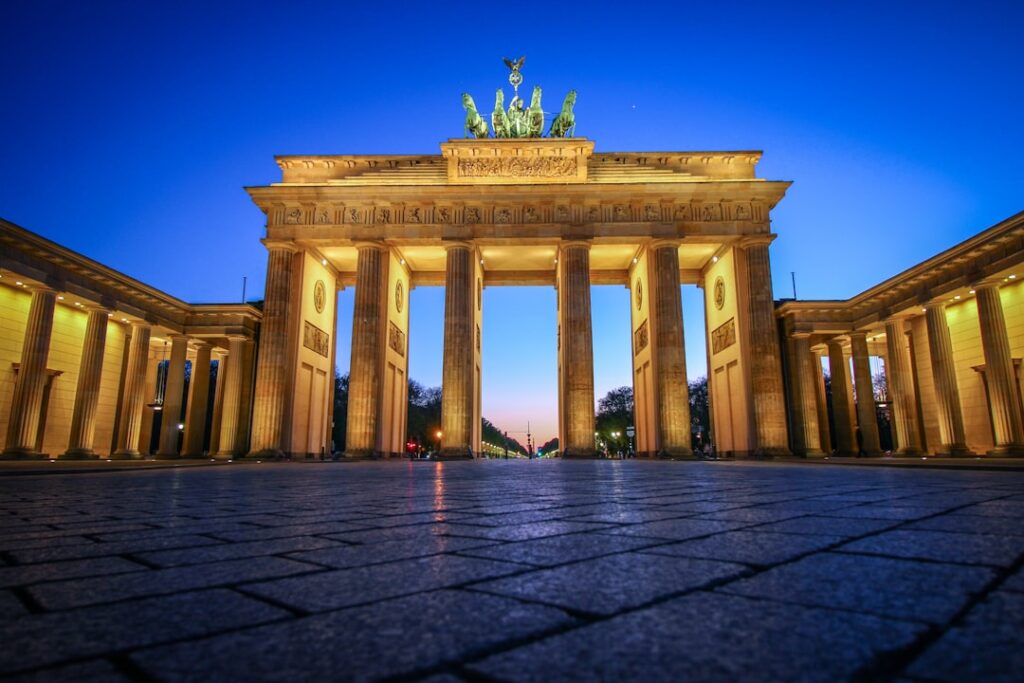
Kennedy wasn’t the only figure linking Ireland, America, and Germany. The broader story of US Presidents with Irish Heritage reveals a fascinating pattern: over 20 American presidents claimed Irish ancestry, and many of them played crucial roles in shaping U.S.-German relations throughout the 20th century. Ronald Reagan, another president with strong Irish roots from County Tipperary, would later stand at the Brandenburg Gate and demand, “Mr. Gorbachev, tear down this wall.”
Today, Kennedy’s 1963 visit remains one of the most commemorated events in Berlin’s history. A plaque marks the spot at Rathaus Schöneberg where he spoke, and the square in front was later renamed John-F.-Kennedy-Platz. The Schöneberg town hall itself houses exhibits about the visit, including photographs and recordings that capture the electric atmosphere of that June day.
Legacy in Stone and Memory
The connection between Ireland, Irish-America, and Germany didn’t end with Kennedy’s assassination five months after his Berlin speech. The German people’s grief was profound and genuine. In 1968, West Berlin erected a monument to Kennedy near the Schöneberg town hall, and streets across Germany were renamed in his honor. The Irish-American president who had spent barely a day in Berlin had nonetheless forged a bond that transcended politics.
For visitors to Berlin today, the Kennedy legacy offers a unique lens through which to understand Cold War history. It’s a reminder that the great geopolitical struggles of the 20th century were often championed by individuals whose family stories began in small villages—whether in County Wexford or elsewhere—and whose personal histories of displacement and survival gave them moral clarity when confronting walls, both literal and figurative.
Tours & experiences in Germany


Powered by Viator. Some links are affiliate links — we may earn a small commission at no extra cost to you.